Fitnachi Britaniya va “katta og‘a Turkiya” – rossiyaliklar Ozarbayjon bilan munosabatlar keskinlashuviga sabablarni nimada ko‘rmoqda? Ikkinchi tomonchi?
Tahlil
−
03 Iyul 2025 19268 9 daqiqa
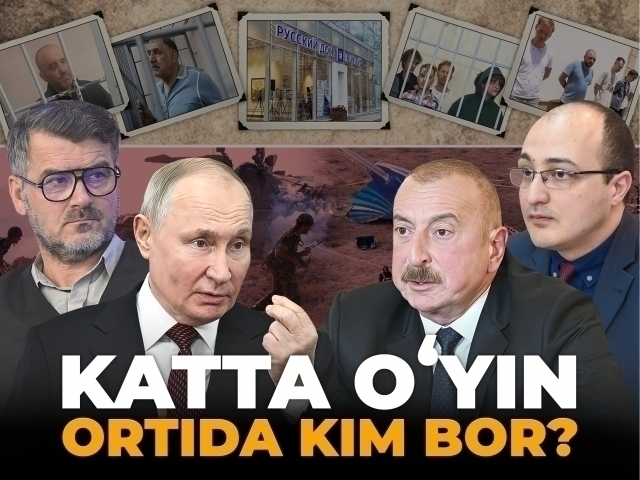
So‘nggi vaqtlarda dunyo siyosatida muhokama uchun, albatta, qandaydir geosiyosiy masala topish oson bo‘lib qoldi. Navbat eski tanishlar Rossiya va Ozarbayjonga. Ayni kunlarda ikki davlat munosabatlari jiddiy inqirozni boshdan kechirmoqda. Gap shundaki, o‘tgan oy oxirida Yekaterinburgda taxminan 50 nafar etnik ozarbayjonlik hibsga olingan va ularning ikki nafari, aka-uka Safarovlar vafot etgan. Tabiiyki, Baku bunga noroziligini yashirib o‘tirmadi, mamlakatdagi rossiyalik jurnalistlar josuslikda gumonlanib hibsga olindi. Rossiyada esa hamon ozarbayjon diasporasiga reydlar davom etmoqda. Ammo bu hammasi emas. Baku va Moskva o‘rtasidagi munosabatlar sal oldinroq darz ketishni boshlagandi. Maqolada ushbu omillar va bir-birini ayblayotgan ikki taraf siyosatchilari fikrlari haqida so‘z boradi.
Rossiya va Ozarbayjon munosabatlarini keskinlashtirib borgan vaziyatlar
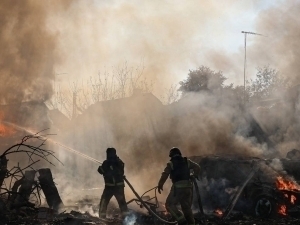
Ozarbayjon samolyotining halokati. Moskva va Baku o‘rtasidagi keskinlashuv 2024 yilning 25 dekabrida Qozog‘istonning Aqtau aeroporti yaqinida Ozarbayjon yo‘lovchi samolyotining halokatga uchrashi bilan yuzaga chiqa boshladi. O‘sha kuni Baku-Grozniy yo‘nalishida uchayotgan Azerbaijan Airlines aviakompaniyasiga tegishli Embraer 190 samolyoti halokati oqibatida bortdagi 67 kishining 38 nafari halok bo‘ldi. Keyinchalik Ozarbayjon Prezidenti Ilhom Aliyev samolyot yerdan o‘q uzilishi oqibatida Rossiya osmonida zarar ko‘rganini ta’kidladi.
Rossiya Prezidenti Vladimir Putin ozarbayjonlik mavqedoshi bilan telefon suhbatida fojia uchun uzr so‘radi. Aliyev esa Moskvadan aybni tan olish, aybdorlarni jazolash va jabrlanganlarga tovon to‘lashni talab qildi hamda Rossiyani “hodisani yashirishga urinish”da aybladi. Yakunda esa masala baribir ochiqligicha qoldi.
Bakuda “Rus uyi” yopilishi va Aliyevning G‘alaba paradida ishtirok etmasligi. Samolyot halokati ortidan boshqa voqealar ham yuz berdi. 2025 yil fevralida Bakuda qariyb 30 yildan beri faoliyat yuritib kelgan “Rus uyi” o‘z faoliyatini to‘xtatdi. Ma’lumotlarga ko‘ra, bunga sabab tashkilotning zaruriy ro‘yxatdan o‘tmagani bo‘lgan.
Rossiya Davlat dumasi deputati Nikolay Valuyev Bakuning “Rus uyi”ni yopish qaroriga izoh berar ekan, Rossiyadagi milliy diasporalar faoliyatiga e’tibor qaratishni taklif etdi. U bunday diasporalar madaniy almashinuv haqida emas, ko‘proq katta noqonuniy pullar haqida ekanini ta’kidladi. Bunga javoban Ozarbayjon Tashqi ishlar vazirligi Valuyevni “persona non grata” deb e’lon qildi va unga mamlakatga kirishni taqiqladi. May oyida Moskvadan ham shunga o‘xshash javob keldi: ozarbayjonlik deputat Azer Badamovga Rossiyaga kirish taqiqlandi.
Ikki davlat munosabatlari sovushining yana bir belgisi Ilhom Aliyevning 9 may kuni Moskvada bo‘lib o‘tgan G‘alaba paradida ishtirok etmaganidir.
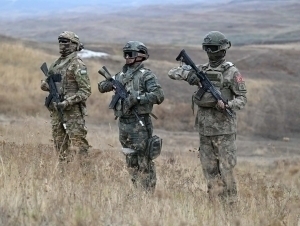
Naxichevonda Rossiya harbiylarining o‘limi. 2023 yilning sentyabri so‘nggida Tog‘li Qorabog‘da yuz bergan fojiali hodisalar ham Rossiya va Ozarbayjon o‘rtasida keskinlikka sabab bo‘ldi. Kuzatuv postidan qaytayotgan rus tinchlikparvar harbiylari o‘qqa tutilishi oqibatida halok bo‘ldi. Ozarbayjon Bosh prokuraturasiga ko‘ra, ozarbayjon harbiylari mazkur transportni xatolik oqibatida arman harbiylariga tegishli deb o‘ylagan. O‘sha kuni Rossiya tinchlikparvar kuchlariga tegishli bo‘lgan “KamAZ” yuk mashinasi ham o‘qqa tutilgan. Ma’lumotlarga ko‘ra, olti nafar Rossiya harbiy xizmatchisi halok bo‘lgan. Aliyev Putindan uzr so‘rab, aybdorlar jazolanishiga va’da berdi. Keyinroq Ozarbayjon Qurolli kuchlari korpusi qo‘mondoni vazifasidan chetlatilgani ma’lum qilindi.
Ukraina borasida pozitsiyalar farqi. Ozarbayjon mustaqillik davridan buyon Ukraina davlatining hududiy yaxlitligini qo‘llab-quvvatlaydi. Ozarbayjon 2014 yilda Qrimni Rossiya tarkibida tan olmasligini aytib, BMTda bayonot bergan. Shuningdek, Aliyev 2022 yilning apreli, ya’ni Ukrainaga rus bosqinining uchinchi oyida Baku o‘z pozitsiyaga sodiq qolishini yana bir bor ta’kidladi.
2023 yil dekabr oyida rossiyalik jurnalist Aleksey Sochnev ukrainalik harbiy jurnalistning bir postiga e’tibor qaratdi. Gap shundaki, Ukraina Qurolli kuchlari uchun o‘q-dori ishlab chiqaruvchi hamkorlar suratlari orasida Ozarbayjonning Palladium kompaniyasiga tegishli ramzlar aks etgan, deb taxmin qilindi. Biroq kompaniya buni inkor etdi. 2024 yilning aprelida esa Aliyev shunday dedi:
“Biz Ukrainaga qurol yetkazmayapmiz, bizdan so‘rashsa ham, buni qila olmaymiz. Biz buni ochiq aytamiz – qilmaymiz. Gumanitar yordam – ha. Qurol – yo‘q”.
O‘zaro OAV kurashi. 2022 yil fevralda Rossiya Ukrainaga bostirib kirgach, “Rosskomnadzor” ayrim ozarbayjon yangilik saytlariga kirishni cheklay boshladi. Masalan, o‘sha yilning martida “Haqqin.az” va “Minval.az” manbalariga cheklovlar qo‘yildi. Iyun oyiga kelib esa Ozarbayjonda RIA Novosti saytiga kirish bloklandi. Ozarbayjon TIV bu qarorni agentlik “tan olinmagan Tog‘li Qorabog‘ Respublikasi” vakilining so‘zlari targ‘ib qilgani bilan izohladi.
2025 yil may oyida esa Ozarbayjon hududida Rossiyaning “Sargrad” telekanali bloklandi. Bundan tashqari, so‘nggi mojarolar davomida 30 iyun kuni Ozarbayjon politsiyasi “Sputnik Ozarbayjon” ofisida o‘tkazilgan operatsiya chog‘ida nashrda ishlayotgan va Rossiya Federal xavfsizlik xizmati agentlari deb gumon qilinayotgan ikki shaxsni qo‘lga oldi. Qator OAV esa ushbu shaxslar nashr faoliyatini “noqonuniy moliyalashtirish” bilan shug‘ullangani uchun ushlangani haqida xabar berdi. Ozarboyjon Ichki ishlar vazirligi bo‘lsa, bu holatga yanada aniqlik kiritdi va “Sputnik Ozarbayjon” agentligining faoliyati joriy yil fevral oyidayoq rasman to‘xtatilgan bo‘lsa ham nashr o‘z ishini noqonuniy ravishda davom ettirganini ma’lum qilgan.
“Katta o‘yin” – Rossiya jamoatchiligi Ozarbayjon bilan munosabatlarga qanday baho bermoqda?
Rossiyalik siyosatshunos Vadim Siprov “ForPost” nashriga bergan intervyusida hozirgi mojarolarga “katta o‘yin”ning bir qismi o‘laroq qarash kerakligini aytdi. Uning tushuntirishicha, gap AQSH ta’siri zaiflashuvi fonida kuchaygan Buyuk Britaniya va Rossiya o‘rtasidagi geosiyosiy qarama-qarshilik haqida ketmoqda.
“Bu o‘yinga mamlakatimizga qarshi Finlandiyadan tortib Qozog‘istongacha bo‘lgan barcha qo‘shni davlatlar jalb qilingan. Albatta, Belarus bundan mustasno. Bu o‘yinda Ozarbayjonga muhim rol berilgan: parda ortidagi Buyuk Britaniya Baku va Anqara o‘rtasidagi yaqin aloqalar, ushbu mamlakatlar yetakchilarining siyosiy ambitsiyalari, boshqaruvdagi proturk va probritan elitalar, Rossiya ichidagi kuchli ozarbayjon lobbisi va jinoiy guruhlardan foydalanmoqda”, degan u.
Vadim Siprov Amerika ichki va tashqi bir qancha muammolar bilan band bo‘lgan bir paytda butun postsovet mamlakatlari ichida tarixdagi eng zaif ta’sir kuchiga ega bo‘lib turibdi, deb hisoblaydi.
“Yana takrorlayman, hozirgi Baku bilan bog‘liq muammolarning kaliti Londonda. Rossiya Angliya va Amerika ziddiyatlaridan qanchalik muvaffaqiyatli foydalana olsa, ozarbayjon elitasi rusofob kayfiyatini shunchalik tez jilovlaydi. Bu uchun asosiy shart – Buyuk Britaniyaning zaiflashuvi”, degan siyosatchi.
“Gazeta.ru” nashri jurnalisti, siyosiy sharhlovchi Vitaliy Ryumshin ham Ozarbayjon harakatlariga nisbatan o‘z fikrlarini yozdi. U Aliyevning bunday dadil qadam tashlashiga sabab Armaniston bilan kechgan mojarolarda Ozarbayjon qo‘li baland kelgani natijasidagi “muvaffaqiyatdan bosh aylanishi” ekanini bildirdi.
“Qarabog‘ni qaytarib olganidan keyin Ozarbayjon o‘zini mintaqaviy kuch deb his qila boshladi. Bu holat mahalliy OAVdagi hozirgi ritorikadan ham ayon: ular Rossiyani Ozarbayjonni “kuchli milliy davlat” o‘laroq tan olmaslikda ayblamoqda”, deb yozgan u.
Shuningdek, Ryumshinning fikricha, bunday dadillikka asoslar ham bor. Masalan, Ozarbayjon mintaqa kesimida haqiqatan ham kuchli harbiy davlat bo‘lib, Rossiya, Xitoy va Yevropa Ittifoqi uchun birday muhim logistika yo‘llarini nazorat qiladi. Geosiyosiy nuqtai nazardan qaralganda ham, Baku ayni damda yaxshi vaziyatda. Armaniston mag‘lubiyatga uchragan. Ozarbayjonning uzoq vaqt davomida ambitsiyalarini jilovlab turgan Eron hozir o‘z muammolari bilan o‘ralashib yuribdi. Ozarbayjon tomonida esa “katta og‘a” Turkiya bor. Bundan tashqari, Rossiya Ukraina bosqini fonida boshqa mojaro uchun katta kuch sarflashga qodir emas.
Biroq jurnalist “Baku qanchalik havolansa-da, Rossiyada buni jilovlab qo‘ya oladigan imkoniyatlar bor”ligini ta’kidlaydi.
“Shuni unutmaslik kerakki, Rossiyada dunyodagi eng yirik ozarbayjon diasporalaridan biri yashaydi (yarim millionga yaqin). Bizning mamlakat Ozarbayjonga pul o‘tkazmalari bozorining taxminan 50 foizini tashkil etadi va ularning eng yirik uchta savdo hamkorlaridan biri hisoblanadi. Bu degani, Moskva Bakuga qanday javob berish mumkinligini tanlashda yetarlicha imkoniyatga ega, faqat istak bo‘lsa bas”, deydi u.
“Moskovskiy komsomolets” nashriga intervyu bergan siyosatshunos Marat Bashirov ham boshqa rossiyalik hamkasblari kabi fikrda ekanini ochiqladi. Uning so‘zlariga ko‘ra, Ozarbayjon – SSSR parchalanishi natijasida paydo bo‘lgan va “mustaqillik nima olib kelishini ham tushunmagan yosh bir mamlakat”.
“Ozarbayjon mustaqillik nima olib kelishini anglamagan davlatlardan biri edi, axir uni Turkiya yoki Eron o‘ziga qo‘shib olishi ham mumkin edi. Ozarbayjon hamon mustaqil bo‘lishni o‘rganayotgan yosh davlat. Uning Prezidenti ham katta tajribaga ega emas”, degan siyosatshunos.
Bashirov ham Siprov kabi bu mojaro ortida aynan britaniyaliklar turibdi, deb hisoblaydi.
“Bu doim britaniyaliklar bo‘ladi. Ularda fitna uyushtirishga usta tarmoqlar mavjud”, deydi u.
“Rossiya Ozarbayjonning mustaqil siyosat yuritishiga chiday olmayapti” – ozarbayjonlik siyosatshunoslar ziddiyatga sababni nimada ko‘rmoqda?
Ozarbayjon mahalliy OAVda ham Rossiya bilan kechayotgan ziddiyatlar tabiiyki, milliy manfaatlar o‘laroq talqin qilinmoqda. Masalan, Yekaterinburgdagi aka-ukalar o‘limi vahshiylarcha sodir etilgani, ammo Rossiya bu jinoyatni uyatsizlarcha “yurak xuruji” deb atayotgani, ular odatdagidek, mas’uliyatni tan olish o‘rniga, jinoyatini yolg‘on bilan o‘rab, aybni Ozarbayjonga yuklashga urinayotgani yozilmoqda. Ozarbayjonliklar fikricha, Rossiya mintaqada barqarorlikni izdan chiqarish va Ozarbayjon sabrini sinashga harakat qilmoqda.
“Turkustan.az” nashriga intervyu bergan siyosatshunos Oqtay Qosimov ta’kidicha, Ozarbayjonning mustaqil siyosat yuritishini Rossiya hech qachon qabul qila olmasligi buning bariga sababdir. Chunki Rossiya barcha postsovet davlatlariga o‘zining ta’sir hududi sifatida qaraydi.
“Ozarbayjonning Turkiya bilan aloqalari nihoyatda yuqori darajada ekani, harbiy va xavfsizlik tizimini zamonaviy standartlar asosida shakllantirayotgani ham Rossiyaga ma’qul emas”, deydi u.
Qosimovning fikricha, Rossiya Ozarbayjonga ichkaridan bosim o‘tkazish imkoniyatini yo‘qotgan va endi tashqi ta’sir vositalari, xususan, diasporadagi vatandoshlar orqali bu ishni amalga oshirmoqchi.
“Ukrainaga bosqini fonida Rossiyaning postsovet makonidagi mavqei tobora zaiflashmoqda. So‘nggi uch yil ichida ayniqsa Janubiy Kavkazda Moskvaning ta’sir doirasi keskin toraydi”, deydi siyosatshunos Rizvon Huseynov o‘zining “Konkret.az” saytiga bergan intervyusida.
Uning fikricha, davlatlararo munosabatlar yomonlashuviga Kreml ichida kechayotgan turli hukmron guruhlar o‘rtasidagi kurash sabab bo‘lmoqda.
“Biroq Ozarbayjon tomoni vaziyatni diqqat bilan kuzatmoqda va munosabatlarning saqlanib qolinishidan manfaatdor”, degan u.
Baku Siyosatshunoslar klubi raisi Zaur Mammadov Moskva amalga oshirayotgan bu ishlar ochiqdan-ochiq Ozarbayjonga diaspora orqali bosim o‘tkazishdir, degan fikrda. “Report.az” saytiga bergan intervyusida u buning sababi Rossiya MDH davlatlarining G‘arb bilan yaqin harbiy-siyosiy aloqalarga kirishishidan cho‘chishi ekanini ta’kidlagan.
Klub raisining fikricha, Ozarbayjon Rossiya uchun muhim logistik yo‘nalish hisoblanadi. Xususan, Rossiya tovarlarining Eron va Hindistonga chiqishi shu mamlakat orqali amalga oshadi. Qolaversa, Ukrainaga bosqini uchun qo‘yilgan sanksiyalarga Ozarbayjon qo‘shilmagan. Umuman olganda, Baku Moskva uchun hech qanday “g‘azablantiradigan ish” qilmagan. Mana shunday holatda ham Moskvaning keskin harakati faqatgina o‘ziga zarar keltiradi.

Live
Barchasi