Энди навбат Қатарга келди. Нетаньяху дунё учун хавфга айланди
Таҳлил
−
10 Сентябрь 2025 7715 10 дақиқа
Ғазо ва Ғарбий Соҳилни ўз ичига олган Фаластин, Яман, Ливан, Сурия, Эрон ва мана энди Яқин Шарқ минтақасининг бошқа бир чеккасида жойлашган Қатар. Исроилнинг зарбалари на чегара, на халқаро ҳуқуқ ва на дунёда мавжуд сиёсий тартиб-қоидаларни ҳисобга олмоқда. Яҳудий давлати учун ҳеч қандай чегара қолмади. Аниқроғи, кеча дунё харитасидан зўрға жой олган ва ҳозир ҳам кўз илғамас ҳажмда бўлган бу давлатга бирор бир куч ўз ҳаддини билдириб қўймаяпти, қўя олмаяпти. Бу давлат ортидан Яқин Шарқда инсоний қадрият, сиёсий мувозанат ва халқаро ҳуқуқ нормалари нураб бормоқда. Энди у нафақат минтақа учун, балки бутун дунё учун ростманасига "саратон безига" айланди. Исроилдаги режимни "даволаш" имкони йўқдек таассурот уйғотмоқда.
ҲАМАС ва Тель-Авив ўртасидаги музокараларда яққол етакчи ролда бўлган ва тинчлик учун ҳаракат қилаётган Қатарнинг ўзига зарба берган давлатга яна қандай баҳо бериш мумкин? Нетаньяху режимини тўхтатиш ёки ҳеч бўлмаганда уни тийиб туриш вақти келганига бундан ортиқ далил ёки сигнал бўлмайди. Яҳудий давлатидаги режим энди бутун дунё учун чинакам хавф. Чунки яқин-яқингача фақат ўзига чегарадош бўлган давлатларга нисбатан агрессия қилиб келган Исроил жорий йил ёзда ўзидан 2,5 минг км узоқликдаги Эрон ҳудудларида, 9 сентябрда эса салкам 2 минг км масофада жойлашган Қатарда қўпорувчилик ҳаракатини амалга оширди ва бу ҳаракатни ўз зиммасига олиб, уни ортида турганини яширмади. Одатда бундай ёндашув кимлардан чиқиши кўпчиликка аён. Масалан, дунёнинг қайсидир тинч ўлкасида теракт содир бўлса, маълум вақт ўтиб, уни бирон бир террорчи ташкилот ўз зиммасига олади. Ҳа, бу кетишда келажакда “Ал Қоида”, ИШИД ва бошқа террорчи ташкилотлар қатори кенгаядиган кўринади. Нетаньяху режими бу учун “астойдил ҳаракат қилмоқда”.
Доҳага зарба ҲАМАСга эмас, тинчликка қарши зарба
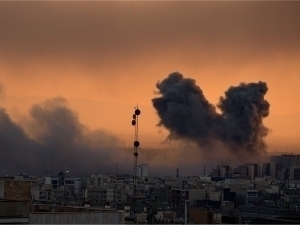
9 сентябрь куни Қатардаги маҳаллий вақт билан тушда, соат 15:00 атрофида Исроил Доҳага зарбалар йўллади. ҲАМАС ҳаракатининг сиёсий бюро аъзолари яшаётган нуқталар ва улар йиғин ўтказгани айтилган объект мазкур зарбалар нишонига айланди. Бу ҳаво ҳужумими ёки ўша ернинг ўзида амалга оширилган қўпорувчилик ҳаракати-ми, англаш қийин. Видеотасвирларда фақат портлашларни кўриш мумкин. Баъзи манбалар ракета ҳужуми деётган бўлсада, ижтимоий тармоқлардаги тасвирларда ҳаводан ракета келиб тушгани кўринмайди. Аммо нима бўлган тақдирда ҳам мазкур ҳаракат ҳужум, бир давлатнинг суверенитетини оёқости қилиш экани яққол кўриниб турибди. Ҳужум Доҳадаги кўплаб хорижий элчихоналар, мактаблар, супермаркетлар ва тураржой бинолари жойлашган Уэст Бэй ҳудудида содир бўлди. Бу нуқтада қатарликлар билан бир қаторда кўплаб хорижликлар истиқомат қилади. Исроилнинг бу қўпорувчилик ҳаракати оқибатида содир бўлган портлашлар ва у ҳосил қилган қора тутуннинг кўлами мазкур ҳужум қай даражада ҳалокатли бўлганини очиқлайди.
Энг қизиғи, Доҳага қилинган бу ҳужумнинг асосий нишони ҲАМАСнинг юқори мартабали раҳбарлари, хусусан, Ғазода ўт очишни тўхтатиш бўйича музокараларда қатнашиб келаётган гуруҳ аъзолари бўлган. Ҳужумдан бир соат ўтиб эса, Исроил Доҳани ўққа тутганини тасдиқлади. Маълум бўлишича, мазкур ҳаракат яҳудий давлати ҳарбийлари ва унинг махфий хизматларининг ўзаро ҳамкорлигида амалга оширилган. Бу Исроилнинг Қатарга биринчи бор ҳужум қилиши, аммо хавотирли жойи шундаки, охиргиси деб ҳам бўлмайди. Чунки мамлакат тепасида 2 йиллик геноцид тарихига эга, Ғазода 65 минг инсонни қириб юборган режим турибди. Янада ҳайратланарлиси эса, Исроил ўтган давр мобайнида ўз делегацияси билан Қатарга бир неча бор ташриф буюрган.
Ажабланарлиси шундаки, ЦАХАЛ ва Исроилнинг Умумий хавфсизлик хизмати – ШАБАК ҲАМАС лидерларига зарба берилганини ўта такаббурона тарзда тасдиқлади. Уларнинг қўшма баёнотига кўра, ҳужумда “юқори аниқликдаги ўқ-дорилар” ва “қўшимча разведка маълумотлари” қўлланган ва бу орқали тинч аҳолига зарар етказиш камайтирилган. Исроил томонининг бу баёноти қатарликларга зарар етказмаслик эмас, шунчаки уларга зарар етказиш камайтирилганини билдирди. Бу ёндашув суверенитетни бузиш, бир давлатнинг хавфсизлигига тупуришдан бошқа ҳеч нарса эмас.
Шу ўринда, ушбу воқеликка Қатарнинг ўзи қандай жавоб қайтаргани қизиқ. Қатар Ташқи ишлар вазирлиги расмий вакили Мажид ал-Ансорий ўзининг Х ижтимоий тармоғидаги саҳифасида Доҳада ҲАМАС сиёсий бюроси аъзоларига уюштирилган ҳужум учун Исроил армияси масъул эканини таъкидлади ва Доҳадаги тураржой биноларига, “ҲАМАС сиёсий бюросининг бир нечта аъзолари яшаган жойларга” қилинган Исроилнинг “қўрқоқона” зарбаларини қоралашдан нарига ўтганича йўқ. У, шунингдек, юқори даражадаги терговлар олиб борилаётгани ва қўшимча тафсилотлар пайдо бўлиши билан дарҳол эълон қилинишини айтиб ўтди.
Айни дамда эса Доҳадаги вазият барқарор экани айтилмоқда. Қатар Ички ишлар вазирлиги ҳудуд хавфсиз эканини маълум қилди. Шунингдек, вазирлик воқеа жойида махсус гуруҳлар ишлаётгани айтиб, барчани расмий манбалардан маълумот олишга чақирди. Qatar Airways эса ҳолат компаниянинг парвоз жадвалига таъсир қилмаганини тасдиқлади.
АҚШ Қатарга хиёнат қилдими?
Исроил Бош вазири Биньямин Нетаньяху идораси 9 сентябрь куни Х тармоғига пост жойлаб, Исроил мазкур ҳужумни якка ўзи амалга оширганини маълум қилди.
“Исроил буни бошлади, қилди ва бу бўйича тўлиқ жавобгарликни ўз зиммасига олади” дейилади, ушбу хабарда.
Нетаньяху ва Исроил Мудофаа вазири Исроил Кац қўшма баёнот бериб, бу ҳужумни оқлади ва Доҳага берилган зарба бир кун олдин Шарқий Қуддусдаги отишмада ҳалок бўлган олти нафар исроиллик учун жавоб бўлганига ишора қилди. Ҳатто Исроил мухолифати етакчиси, Ғазодаги қирғинларда амалдаги ҳукуматни кескин танқид қилиб келаётган Нетаньяхунинг ашаддий рақобатчиси Яир Лапид ҳам Доҳага қилинган ҳужумни олқишлади. Албатта, буни тушунса бўлади, негаки ҲАМАС Исроилдаги мухолифат бўладими ёки амалдаги ҳукумат, фарқи йўқ, у барча яҳудий сиёсий доиралари учун бирдек душман.
Шу ўринда, Доҳага қилинган ҳужумнинг яна бир муҳим нуқтасига эътибор қаратиш лозим. Бу АҚШнинг эҳтимолий аралашуви, ёки жуда бўлмаса, олдиндан бу ҳақда хабар топганидир. Нетаньяху ҳужум Исроил томонидан якка тартибда, ҳеч кимнинг аралашувисиз амалга оширилганини маълум қилди. Дунёдаги қудратли махфий хизматлардан бирига эгалик қиладиган Буюк Британия ҳам мазкур ҳужумдан хабардор бўлмаганини таъкидлади. Аммо АҚШ Исроилнинг мазкур қинғир режасидан хабардор бўлмаганига ишониш қийин эди. Хабардор бўлиб ҳам бу ҳужум унинг энг яқин иттифоқчиларидан бири бўлган Қатарга қилинса. Шу боис, Оқ уй матбуот котиби Кэролайн Ливитт Президент Дональд Трамп Исроилнинг Доҳага ҳужуми ҳақида хабар олгач, ўзининг махсус элчиси Стив Уиткоффга Қатарни дарҳол бундан хабардор қилишни буюрди деб айтди. Аммо Қатар ТИВ вакили Мажид Ал-Ансорий Доҳага ҳужум ҳақида олдиндан хабар берилгани ҳақидаги бу даъволарни ёлғон деб атади. Унга кўра, америкалик амалдор Доҳага ҳудудда портлашлар содир бўлгандан кейин қўнғироқ қилган.
Кэролайн эса ўз баёнотида Қатар АҚШнин яқин иттифоқчиси экани, Президент Трамп Доҳада “қайғули воқеа” содир бўлганидан афсусда экани айтди. Аммо унинг қўшимча қилишича, Дональд Трамп Биньямин Нетаньяху билан суҳбатлашгач, мазкур ҳужум “тинчлик учун имконият бўлиши мумкин” эканини ҳам қўшимча қилди. Шунингдек, АҚШ Президенти Қатар Амири Шайх Тамим Бин Ҳамад Ол-Соний ва мамлакат Бош вазири Муҳаммад бин Абдулраҳмон бин Жассим Ол-Сонийларга “бундай ҳолат уларнинг ерларида бошқа такрорланмаслигига” ваъда берган.
“Қатарга қарши бир томонлама зарбалар Исроил ва Америка мақсадларига мос эмас. Қатар суверен мамлакат ва АҚШнинг яқин иттифоқчиси, у бизга тинчлик учун воситачилик қилишда астойдил ҳаракат қилади ва жасорат билан ёрдам беради. Бироқ, Ғазо аҳолисининг азоб-уқубатларидан “фойда кўрган” ҲАМАСни йўқ қилиш муносиб мақсаддир”, деди Ливитт.
Бироқ Оқ уйдан қандай баёнот янграмасин, вазият барибир шубҳали. Негаки, Исроил ҳужум қилган Уэст Бэй ҳудуди АҚШнинг Қатардаги ва минтақадаги энг йирик ҳарбий базаси ҳисобланадиган Ал-Удейддан бор йўғи 40 км узоқликда жойлашган. Энди эса Исроил томони айтган юқоридаги разведка маълумотларини эсланг. Шубҳалар асосли. Қатар хиёнатга учраган бўлиши мумкин. Чунки у Яқин Шарқдаги АҚШнинг энг яқин ҳамкорларидан бири бўлишига қарамай, Оқ уй томонидан шу ердаги жазмани Исроилнинг манфаатлари учун қурбон қилиниш эҳтимолини истисно қилиб бўлмайди.
Яна бир эътиборга молик жиҳати шуки, жорий йил май ойи ўртасида Трамп Яқин Шарққа сафар қилиб, салкам 3 триллион доллар билан ортга қайтганди. Саудия, БАА ва Қатар умумий ҳисобда АҚШга шунча миқдорда инвестиция етказиши белгиланди. Мазкур 3 триллион долларнинг нақд 1,2 триллиони Қатар улушига тўғри келди. Агар Доҳа АҚШга инвестиция киритишни бошлаб юборган бўлса, содда қилиб айтганда, бу пулларнинг бир учи ўзини ўққа тутилиши учун сарфланганини билдиради. Чунки Қўшма Штатлар бюджетида Исроилнинг АҚШдан қолишмайдиган ўрни борлиги ҳеч кимга сир эмас. АҚШдан йилига бир неча миллиард доллар ёрдам қабул қилиб оладиган Исроилнинг Доҳага берган зарбасида қўлланилган ўша юқори аниқликдаги қуролларнинг ортидаги пуллар Қатарга унчалик ҳам бегона эмас.
Кимлар ўлди?
Доҳадаги портлашлардан сўнг, дастлаб, “Al Arabia” нашри Исроил зарбаси оқибатида ҲАМАС сиёсий бюроси раҳбари Холид Машъал ва гуруҳнинг Ғазо секторидаги етакчиси Ҳалил ал-Ҳайя ҳалок бўлгани ҳақида хабар берди. Аммо кейинчалик, ҲАМАС расмийси Суҳайл ал-Ҳинди “Al Jazeera”телеканалига берган интервьюсида бошқача маълумот берди. У Исроил Доҳада Ғазо секторида ўт очишни тўхтатиш бўйича музокаралар олиб бораётган ҲАМАС етакчиларини нишонга олганини айтди. Унга кўра, Исроил ҳужуми ҲАМАС вакиллари ўт очишни тўхтатиш бўйича АҚШ томонидан таклиф қилинган вариантни кўриб чиқиш учун йиғилган пайтда содир бўлган. У ерда ҳаракатнинг юқори мартабали раҳбарлари Халил ал-Ҳайя ва Холид Машъал ҳам бўлган. Бироқ ал-Ҳинди келтирган қурбонлар рўйхатида улар йўқ. Айтилишича, Исроил ҳужумида Халил ал-Ҳайянинг ўғли Хумом ва унинг бош ёрдамчиларидан бири ҳалок бўлган. Ҳаракат Исроил ҳужумида 6 нафар инсон вафот этганини очиқлади. Қатар эса ҲАМАС аъзолари билан бирга камида бир нафар ўзининг хавфсизлик ходими ҳам ҳалок бўлганини тасдиқлади. Қатар Ички ишлар вазирлиги хавфсизлик кучларининг бошқа аъзолари яраланганини маълум қилди.
Ўзбекистон Исроил ҳужумини қоралади
Исроилнинг Доҳага қилган кутилмаган ҳужумидан сўнг, дунёнинг қатор мамлакатлари яҳудий давлатини қоралади. Жумладан, Саудия Арабистони Ташқи ишлар вазирлиги ўзига қардош бўлган Қатарга нисбатан қилинган Исроилнинг шафқатсиз тажовузини қоралади ва биродар Қатар билан тўлиқ бирдам эканини тасдиқлади.
Туркия Ташқи ишлар вазирлиги эса ушбу ҳужум Исроилнинг Ғазога қарши урушни тўхтатиш бўйича келишувдан манфаатдор эмаслигини кўрсатишини таъкидлади.
Шунингдек, Бирлашган Араб Амирликлари Ташқи ишлар вазири Шайх Абдуллоҳ бин Зоид Ол Наҳаён Қатар билан бирдамлик эълон қилиб, Исроил ҳужумини “қўрқоқлик” деб атади.
Бирлашган Миллатлар Ташкилоти Бош котиби Антониу Гутерриш Исроил зарбаларини Қатар суверенитети ва ҳудудий яхлитлигини “қўпол равишда бузиш” деб баҳолади.
Франция Президенти Эммануэль Макрон ҳам Қатарга билан бирдамлик изҳор қилиб, Исроил ҳужуми “нима сабабдан бўлишига қарамай, қабул қилиб бўлмас” эканини таъкидлади.
Бундан ташқари, Миср, Қувайт, Иордания, Ироқ, Сурия, Малдив ороллари, Ливан, Марокаш, Жазоир ва Форс кўрфази ҳамкорлик кенгаши ҳам Исроилнинг Доҳага қилган ҳужумини қоралади.
Қораловчиларнинг олди қаторидан Ўзбекистон ва Қозоғистон ҳам ўрин олди. Расмий Остона бу вазиятга Президент, Ўзбекистон эса Ташқи ишлар вазирлиги даражасида муносабат билдирди. Қозоғистон Президенти Қосим-Жомарт Тўқаев ҳудди Макрон каби бу ҳаракатлар қандай мақсадларда амалга оширилганидан қатъи назар, улар қатъиян йўл қўйиб бўлмайдиган иш эканини такидлаган. Ўз ўрнида, Ўзбекистон ТИВ Исроилнинг Доҳа шаҳридаги тураржой ҳудудига уюштирган ҳужумларини қоралаб, буни Қатар Давлати суверенитетини бузиш, чегаралар дахлсизлиги ва хавфсизлигига тажовуз деб баҳолади.
Live
БарчасиОҳангаронда ўқитувчи ўқувчини калтаклади
22 Октябрь
Австралияда кучли ёмғир ёғди
22 Октябрь
Гретсияда ҳам талабалар намойиш бошлади
22 Октябрь