Дунё аҳолисининг қарийб ярми ўзида диабет борлигини билмайди – тадқиқот
Бу қизиқ
−
10 Сентябрь 2025 6614 2 дақиқа
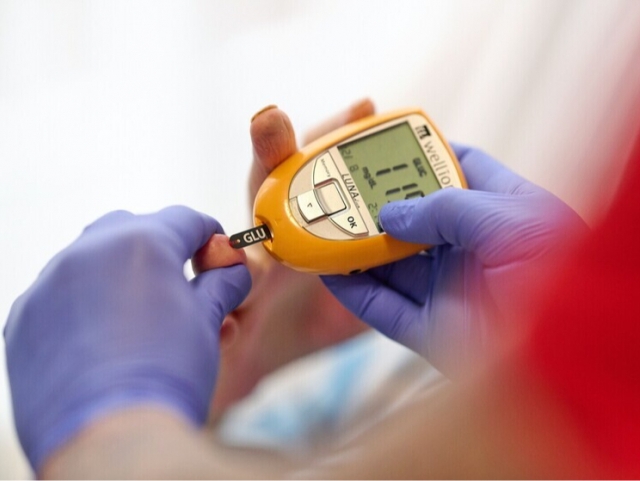
Дунё бўйича одамларнинг 40 фоизидан ортиғи ўзида диабет борлигини билмайди. Бу ҳақда “The Lancet Diabetes & Endocrinology” журналида эълон қилинган тадқиқотда сўз боради.
Маълумотлар таҳлилига кўра, 15 ва ундан катта ёшдаги диабетга чалинганларнинг 44 фоизига ташхис қўйилмаган ва улар шунинг учун ҳатто ўзларида касаллик борлигини билмайди. Олимлар 2000 йилдан 2023 йилгача бўлган даврда 204 давлат ва ҳудудлардан олинган маълумотларни, чоп этилган адабиётлар ҳамда сўровномаларни тизимли кўриб чиққан.
“Тадқиқотда қайд этилганларнинг аксарияти 2-тур диабет билан оғриган”, дейди тадқиқот муаллифи Лорин Стеффорд.
Халқаро Диабет Федерацияси маълумотига кўра, дунёда ҳар тўққизинчи катта ёшли одамда диабет бор.
“Биз диабет билан оғриганларнинг 56 фоизи касаллиги ҳақида хабардор эканини аниқладик”, дейди Лорин Стеффорд.
Унинг сўзларига кўра, глобал миқёсда кўрсаткичлар географик ҳудуд ва ёш бўйича катта фарқ қилади. Умуман олганда, юқори даромадли давлатларда диагностика ишлари паст ва ўрта даромадли давлатларга қараганда яхшироқ. 35 ёшдан кичик одамларда ўрта ва катта ёшдагиларга қараганда диабет анча кам аниқланган. Ёшлар орасида диабет борлигини билганлар атиги 20 фоизни ташкил этган.
Қайд этилишича, диабетни эрта аниқлаш муҳим, чунки бу вақтида даволашни бошлаш имконини беради ва юрак-қон томир касалликлари, буйрак етишмовчилиги, асаб тизими шикастланиши ҳамда кўриш қобилиятини йўқотиш каби узоқ муддатли асоратларнинг олдини олади ёки кечиктиради.
Диабет аломатларига чанқоқлик ёки иштаҳанинг ошиши, кўришнинг ёмонлашуви, кутилмаган вазн йўқотиш ва чарчоқ киради. Аммо касалликнинг дастлабки босқичларида кўпчиликда ҳеч қандай аломат бўлмайди, бу эса скрининг ва диагностиканинг аҳамиятини оширади.
Лорин Стеффорднинг қайд этишича, 2023 йилда дунё бўйича диабет билан оғриганларнинг қарийб 40 фоизи даволаниш орқали оптимал натижаларга эришиб, қондаги шакар миқдорини пасайтиришга муваффақ бўлган. Шу сабабли ташхис қўйилгач, имкон қадар кўпроқ одам тўғри даволаниши ва унга риоя қилиши муҳим. Диабет билан оғриган одамларда, эҳтимол, гипертония ёки сурункали буйрак касаллиги каби бошқа соғлиқ билан боғлиқ муаммолар ҳам бўлиши мумкин, бу эса даволашни мураккаблаштиради.
Эслатиб ўтамиз, аввалроқ XX асрнинг биринчи ярмида қайд этилган умр давомийлигининг кескин ўсиши келажакда қайта такрорланиши даргумонлиги, Висконсин-Мэдисон университетининг Макс Планк демографик тадқиқотлари институти ва Франция демографик тадқиқотлари институти олимлари шундай хулосага келгани хабар қилинганди.

Live
БарчасиОҳангаронда ўқитувчи ўқувчини калтаклади
22 Октябрь