Болалар орасида янги вирус тарқалдими? Санэпидемқўмита изоҳ берди
Саломатлик
−
19 Июнь 2025 9400 4 дақиқа

Сўнгги кунларда турли ижтимоий тармоқ саҳифаларида ёш болалар ўртасида янги вирус тарқалгани ҳақида хабарлар тарқалмоқда. QALAMPIR.UZ вазиятга аниқлик киритиш мақсадида Санитария-эпидемиологик осойишталик ва жамоат саломатлиги қўмитаси билан боғланди.
Маълум қилинишича, коксаки одамлар талқин қилганидек янги вирус эмас, аксинча бутун дунёда аллақачон мавжуд вирус ҳисобланади.
“Коронавирусдан олдин барча вирус турлари бир сўз билан вирус дейиларди. Ҳозирга келиб, мутахассислар вируслар номларини айтганида одамлар учун бу янгиликдек туюляпти. Аслида коксаки доим бор вирус”, дейди қўмита матбуот котиби Мафтуна Саидова.
Шунингдек, унинг таъкидлашича, мазкур вирус ваҳимали эмас ва ўзидан асорат қолдирмайди.
“Бундан ташқари, вазият талқин қилинаётганидек ваҳимали эмас, йўқса қўмита бу бўйича алоҳида баёнот билан чиқиб, тегишли чораларни кўрган бўларди”, деди у.
Коксаки қандай вирус?

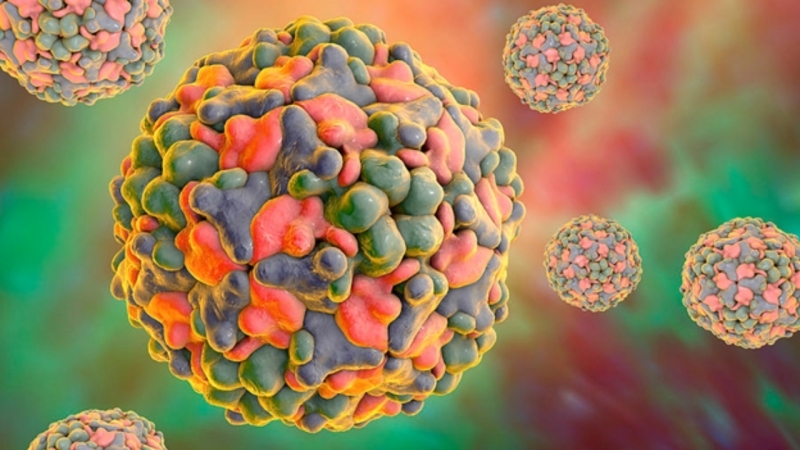
Коксаки (Coxsackie) вируси энтеровируслар гуруҳига киради ва асосан юқори нафас йўллари ҳамда меъда-ичак тизимини зарарлайди.
Касалланишнинг энг юқори даври ёз ва куз фаслларига тўғри келади. Бироқ, кўпинча тропик иқлимли мамлакатларда йил давомида ҳам учраб туради. Коксаки вируси билан деярли ҳар қандай жойда зарарланиш мумкин ва бу хавф ёз ойларида ортади. Коксаки вируси асосан болаларни зарарлайди, бироқ катталарда ҳам касаллик ривожланиш ҳолатлари учрайди.

Коксаки 2017 йилда ёзги курортларда юқтириб олиш мумкин бўлган “янги вирус” сифатида талқин қилинган. Бироқ кейинчалик оғир кечадиган оммавий касалланиш хавфи юқори эмаслиги аён бўлади. Шунинг учун бугунги кунда коксаки вируси оддий қилиб айтганда, ёзги шамоллаш сифатида қабул қилинади.
Коксаки вируси икки гуруҳга бўлинади – А ва Б. Улар ҳар хил “нишон” ҳужайраларга таъсир кўрсатади ва симптомларида баъзи фарқларга эга бўлиши мумкин.
А гуруҳ коксаки вируси – эпителий тўқималарига кучли таъсир кўрсатиб, тери ва шиллиқ қаватларнинг яллиғланишига сабаб бўлади, герпангина (оғизда тошмали яллиғланиш) ва “оғиз-қўл-оёқ” синдроми деб аталувчи ҳолатларни келтириб чиқариши мумкин.
Б гуруҳ коксаки вируси – қон томирлар билан боғлиқ тўқималарга нисбатан агрессив ҳисобланиб, ички аъзолар, юрак ва ўпка пардаси соҳасида яллиғланиш жараёнларини чақириши мумкин. Булар асоратлар ривожланишига олиб келиши мумкин.
Коксаки вируси симптомлари

Коксаки вируси чақирадиган инфекцияларнинг клиник симптомлари жуда ўзгарувчан бўлиши мумкин. Кўпинча енгил ҳолатлар кузатилади, улар шамоллашга ўхшаш (бурун оқиши, томоқ қичиши, тана ҳароратининг кўтарилиши) ва тери ҳамда шиллиқ қаватларда тошмалар пайдо бўлиши каби белгилар билан кечади. Аммо иммунитети паст бўлган одамларда оғир ҳолатлар ҳам кузатилади, бунда мия пардалари ва бош мия тўқималарида, жигар, юрак мушаги (миокард) ва юрак ташқи пардаси (перикард)да яллиғланиш жараёни ривожланиши мумкин.
Коксаки вирусли инфекциянинг энг кўп учрайдиган симптомлари:
- тана ҳароратининг 38–38,5°C гача кўтарилиши;
- тери ва оғиз бўшлиғи шиллиқ қаватида тошмалар пайдо бўлиши (бу тошма пуфакчалар кўринишида бўлади, уларни сувчечак билан адаштирмаслик керак);
- юқори нафас йўллари зарарланиши.

Агар касаллик оғир кечса, қуйидаги огоҳлантирувчи симптомлар юзага келиши мумкин. Қуйида келтирилган симптомлардан ҳеч бўлмаганда биттасининг мавжудлиги зудлик билан шифокорга мурожаат қилиш зарурлигини билдиради:
- узоқ давом этувчи иситма;
- доимий бош оғриғи;
- кўз соққаларида оғриқ;
- қайта-қайта қусиш;
- мушакларда тутқаноқ ҳолатлари;
- кучайиб бораётган уйқучанлик;
- бефарқлик ёки асабийлик;
- мувозанатнинг бузилиши;
- нафас олишда қийинчилик;
- кўкрак қафасида давомли оғриқ.
Коксаки вирусини даволаш
Коксаки вирусига қарши махсус даво йўқ, агар касаллик асоратларсиз кечса, соғайиш ўз-ўзидан юз беради. Бироқ симптомларни енгиллаштириш учун турли чоралар қўлланилади, иситма пайтида шифокор ҳароратни туширувчи ва оғриқни камайтирувчи дори воситаларини буюриши мумкин. Кучли қичишиш бўлса, аллергияга қарши препаратлар тавсия этилади. Оғиз бўшлиғида яралар пайдо бўлса, антисептик воситалар қўлланади, улар оғриқни камайтиради ва бактериал инфекция қўшилиш хавфини камайтиради.
Шунингдек, беморга дам олиш ва тўшакда ётиш тавсия этилади, бу организмга инфекцияга қарши курашишни енгиллаштиради ва асоратлар хавфини камайтиради.
Кўп миқдорда суюқлик ичиш организмдан токсинларни чиқаришга ёрдам беради, айниқса, юқори ҳароратда, шунингдек, суюқлик йўқотилишининг олдини олади.
Агар ҳолат оғир кечса ёки асоратлар юзага келса, даволаш шифохонада, шифокорлар назорати остида олиб борилади.

Live
БарчасиОҳангаронда ўқитувчи ўқувчини калтаклади
22 Октябрь
Австралияда кучли ёмғир ёғди
22 Октябрь
Гретсияда ҳам талабалар намойиш бошлади
22 Октябрь