Ўзбекистонда Нипаҳ вируси билан боғлиқ вазият барқарор – Нурмат Отабеков
Local
−
27 January 5263 2 minutes
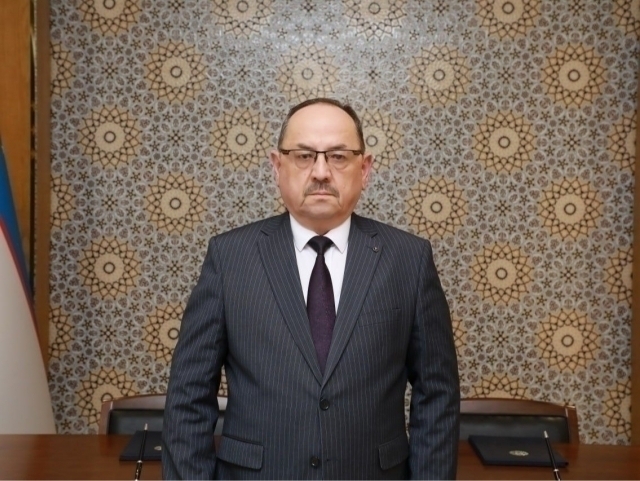
Аввалроқ, Ҳиндистонда Нипаҳ вируси кенг тарқалаётгани ҳамда у оғир оқибатларга олиб келиши ҳақида хабар берилган эди. Санитария-эпидемиологик осойишталик ва жамоат саломатлиги қўмитаси раисининг биринчи ўринбосари Нурмат Атабеков мазкур вирус билан боғлиқ ҳолат ҳақида маълумот берди.
Унинг билдиришича, Ўзбекистонда Нипаҳ вируси билан боғлиқ эпидемиологик вазият барқарор ва хавотирланишга ҳеч қандай асос йўқ. Чунки унинг Ўзбекистон ҳудудида тарқалиш эҳтимоли жуда паст.
Шу билан бирга, Жаҳон соғлиқни сақлаш ташкилоти ушбу вирус дунёда ҳам кенг кўламли эпидемия ёки пандемия келтириб чиқариш эҳтимоли йўқлигини таъкидламоқда.
Нипаҳ илк бор қарийб 30 йил аввал аниқланган бўлиб, хавфли вируслар тоифасига киради. У асосан, кўршапалаклар ва чўчқалар орқали юқади. Айниқса, кўршапалаклар тишлаган ёки тирноқ изи тушган меваларни истеъмол қилиш, шу ҳайвонлар билан яқин ва мунтазам мулоқотда бўлиш вирус юқиш хавфини оширади.
Шунингдек, айрим ҳолларда у одамдан одамга ҳам юқиши мумкин. Бу эса, асосан, бемор билан яқин алоқада бўлганларда кузатилади. Шу жумладан, тиббиёт ходимлари ҳам хавф гуруҳига киради.
Ушбу вирус кўп ҳолларда яширин ёки симптомсиз кечади. Унинг оғир шаклида бош мия қобиғининг яллиғланиши (менингоэнцефалит), жигар, буйрак ва талоқ фаолиятининг бузилиши каби жиддий белгилар ҳамда баъзида ўлим ҳолатлари кузатилиши мумкин.
Дунёда Нипаҳ вирусига қарши алоҳида вакцина ишлаб чиқилмаган. Муолажа жараёни, асосан, симптоматик, яъни бемордаги белгиларга қараб олиб борилади.
Бу вируснинг Ўзбекистонга кириб келиш эҳтимоли жуда паст бўлса-да, шу кунларда Ҳиндистонга боришни режалаштираётган ўзбекистонликларга бир нечта профилактика чораларини кўриш тавсия этилади.
Хусусан, шахсий гигиена қоидаларига риоя қилиш, қўлларни совун ёки антисептик воситалар билан тозалаш, мева ва сабзавотларни истеъмол қилишдан аввал яхшилаб чайиш, текширилмаган сувни ичмаслик, кўршапалаклар тирнагани ёки тишлагани эҳтимоли бўлган меваларни истеъмол қилмаслик лозим.
Агар юқори ҳарорат, кучли бош оғриғи ёки бошқа касаллик белгилари пайдо бўлса, дарҳол шифокорга мурожаат қилиш керак.
Маълумот ўрнида, айни пайтда Ўзбекистонда эпидемиологик вазиятни барқарор сақлаш ҳамда четдан кириб келиши мумкин бўлган касалликларнинг олдини олиш мақсадида 54 та чегара пунктида доимий назорат олиб борилмоқда

Live
All23 October