Tramp Eron yadroviy dasturini butunlay yo‘q qilganini aytdi. Razvedka esa buning aksini
Tahlil
−
26 Iyun 2025 6050 4 daqiqa
So‘nggi kunlarda kun tartibidan tushmagan, hammaning e’tibor markazida turgan mavzu Eron va Isroil orasidagi urush va unga AQSHning qo‘shilishi, Erondagi yadroviy inshootlarga zarba berishi bo‘ldi. AQSH hujumidan so‘ng Eron javob tariqasida Qo‘shma Shtatlarning Qatar va Iroqdagi bazalariga zarba berdi va ko‘p o‘tmay, AQSH Prezidenti Donald Tramp hamma narsa kelishib olinganini, sulh tuzilganini e’lon qildi.
Bugun sizning e’tiboringizga havola qilmoqchi bo‘lganimiz esa shu voqealar doirasida o‘tkazilgan bir operatsiya. Ma’lumki, 21 iyun kuni Amerika samolyotlari Erondagi uchta yadroviy ob’ekt – Fordo, Natanz va Isfaxonga zarba bergan. Prezident Tramp esa shundan so‘ng Eronning asosiy yadroviy boyitish inshootlari butunlay yo‘q qilinganini aytdi.
Biroq AQSH razvedka idoralari zarbalar Erondagi yadroviy inshootlarga yetkazgan zararni baholashda Oq uy bilan bir xil fikrda emas. CNN va The New York Times 24 iyun kuni mustaqil ravishda departamentdagi manbalarga tayanib, Pentagon Eron yadroviy dasturi tuzatib bo‘lmas darajada yo‘q qilingan, deb hisoblamasligini yozdi.
Nashrlarning Pentagon razvedka boshqarmasidagi ishonchli manbalariga ko‘ra, AQSHning Fordo, Natanz va Isfahondagi ob’ektlarga bergan zarbalari Eronning yadroviy dasturini bir necha oy orqaga surgan xolos. Nashr manbalarining ta’kidlashicha, boyitilgan uran zaxiralari bu ob’ektlardan oldindan ko‘chirilishi mumkin bo‘lgan va uranni yanada boyitish uchun zarur bo‘lgan sentrifugalar “asosan buzilmagan”.
Shu o‘rinda qayt etish joizki, Eronga berilgan zarbalardan ko‘p o‘tmay, Eron davlat televideniyesi siyosiy direktori o‘rinbosari Hasan Abedini ushbu uchta yadroviy ob’ektdagi zarur yadroviy materiallar AQSH zarbasidan oldin olib chiqib ketilganini ma’lum qilgandi. Sun’iy yo‘ldoshlardan olingan tasvirlarda ham AQSHning Eronga qilgan hujumidan 2 kun oldin Fordo yadroviy inshootida atrofida to‘plangan qator yuk mashinalari aks etgan.
CNN ta’kidlashicha, Eron yadroviy inshootlariga AQSH hujumlari oqibatida asosiy zarar yer ustidagi tuzilmalarga yetgan. Ko‘plab harbiy ekspertlar esa Isroil Qo‘shma Shtatlarni Eronga hujumlarga qo‘shilishga ko‘ndirganining asosiy sababi Vashingtonda noyob GBU-57A bombalari borligi va ular Fordodagi tog‘ ostida yashiringan uranni boyitish inshootiga yetib borishi mumkinligi bo‘lganini aytmoqda.
Isroillik anonim rasmiy esa Eronda uranni boyitish bo‘yicha kichik maxfiy inshootlar ham daxlsiz qolganini aytmoqda. Uning fikricha, Tehron bunday markazlarni Fordo va Isfaxon kabi majmualar vayron qilingan taqdirda ham mamlakat yadroviy dasturini saqlab qolish uchun qurgan.
“Bloomberg”: Qo‘shma Shtatlar Erondagi reaktorlarni ataylab nishonga olmagan
Avvalroq “Bloomberg” ham AQSHning zarbasiga sun’iy yo‘ldoshdan olingan suratlar va Atom energiyasi bo‘yicha xalqaro agentlikning (MAGATE) nomi oshkor etilmagan vakillariga tayanib, xuddi shunday baho bergan edi. Misol tariqasida ular suratlarda ko‘rinib turgan Isfaxon inshootiga qilingan hujum oqibatlarini keltirib o‘tishadi – inshootdagi uchta reaktor zarar ko‘rmagan, garchi atrofdagi yirik binolarning aksariyati vayron bo‘lgan. MAGATE qayd etishicha, bu baholash, shuningdek, reaktorlar shikastlanganda sodir bo‘ladigan hujumlardan so‘ng uchala ob’ektda ham radioaktivlik o‘sishi kuzatilmagani bilan ham tasdiqlanadi.
Bloomberg manbalariga ko‘ra, Qo‘shma Shtatlar tomonidan bunday tanlov qasddan qilingan, ammo MAGATE vakillari bu qarorning mumkin bo‘lgan sabablarini keltirmagan.
Ayni paytda, AQSH hujumidan keyin Tehron Amerika zarbalari mamlakatning yadroviy dasturini rivojlantirishda davom etishiga to‘sqinlik qilmaganini ta’kidlamoqda. Masalan, Eron Atom energiyasi tashkiloti rahbari Muhammad Islomiy 24 iyun kuni davlat televideniyesi orqali Eron rahbariyati Isroil va AQSHning yadroviy inshootlarga zarba berishiga qaramay, yadroviy dasturini davom ettirish imkoniyatini ta’minlaganini ma’lum qildi.
Uning so‘zlariga ko‘ra, Tehron yadroviy inshootlarni qayta ishga tushirish bo‘yicha rejalarni oldindan tayyorlab qo‘ygan va ularning uzluksiz ishlashini kafolatlamoqchi.
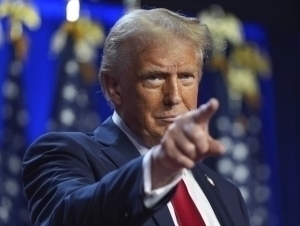
AQSH Prezidenti Donald Tramp esa Amerikaning Erondagi yadroviy inshootlarga hujumi muvaffaqiyatiga shubha qilgan OAVni keskin tanqid qildi. U o‘zining Truth Social ijtimoiy tarmog‘ida CNN va The New York Times’ni “tarixdagi eng muvaffaqiyatli harbiy amaliyotlardan birini sharmanda qilish uchun birlashish”da aybladi.
U bunday ommaviy axborot vositalariga nisbatan “omadsizlar” va “axlat” so‘zlarini ishlatib, ular Erondagi ob’ektlarga bomba tashlagan samolyotlar uchuvchilaridan uzr so‘rashi kerakligini, chunki harbiylar topshiriqni a’lo darajada bajarganini aytdi.
Tramp, shuningdek, Yaqin Sharq bo‘yicha maxsus vakili Stiv Uitkoffning “Fox News” telekanaliga bergan intervyusini ham qayta joylashtirgan. Uitkoff intervyuda Fordo yadroviy inshootini yo‘q qilish bo‘yicha operatsiya muvaffaqiyatli o‘tganiga ishonch bildirgan va uning to‘liq vayron bo‘lmagani haqidagi xabarlarni bema’nilik deb atagan.
O‘z navbatida, Oq uy matbuot kotibi Kerolayn Livitt ham o‘z xo‘jayinining gapini takrorladi – u OAVning shubhalarini “prezidentni kamsitishga urinish” va “jasur uchuvchilarni obro‘sizlantirish” deb atadi.
X ijtimoiy tarmog‘idagi postida Livitt CNN ma’lumotni “razvedka hamjamiyatidagi past darajadagi anonim omadsizdan” olganini aytdi.
“Nishonga 30 000 fut balandlikda o‘n to‘rtta bomba tashlaganingizda nima bo‘lishini hamma biladi: butunlay vayron bo‘ladi”, deb yozadi rasmiy.

Live
Barchasi