783 ta davlat xizmatiga “nol byurokratiya” tamoyili joriy etiladi
Jamiyat
−
12 May 4412 2 daqiqa
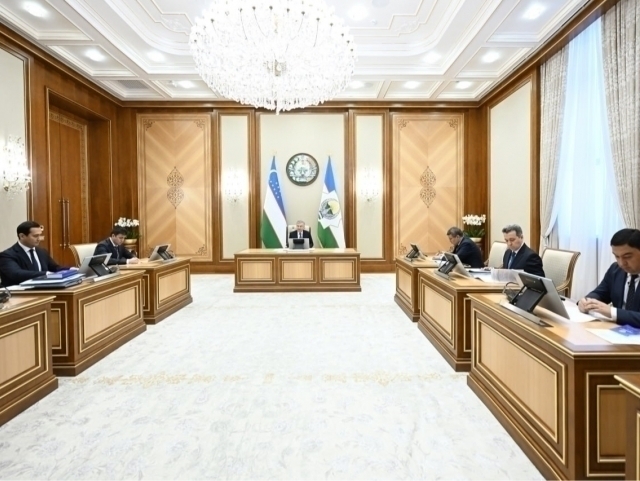
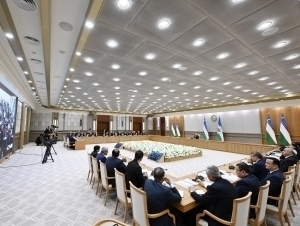
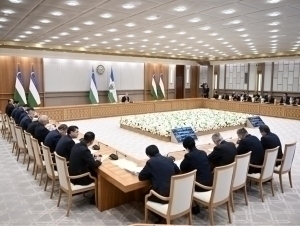
O‘zbekistonda 783 ta davlat xizmatiga “nol byurokratiya” tamoyili joriy etiladi. Bu haqda bugun, 12 may kuni Prezident Shavkat Mirziyoyev tanishgan davlat xizmatlarini ko‘rsatish sohasida byurokratiyani qisqartirish chora-tadbirlari yuzasidan taqdimotda so‘z boradi.
Qayd etilishicha, so‘nggi yillarda mamlakatda davlat xizmatlarini aholi va tadbirkorlar uchun qulay, tezkor va shaffof qilish bo‘yicha keng ko‘lamli ishlar amalga oshirilgan. Davlat xizmatlari ko‘lami 10 barobar ko‘payib, 61 milliondan oshgan. Ularning 80 foizi onlayn shaklda ko‘rsatilmoqda. Birgina 2025 yilning o‘zida tadbirkorlikka oid 2 mingdan ortiq majburiy talab bekor qilingan.
Shu bilan birga, sohada ortiqcha tartib-taomillar, qog‘ozbozlik va takrorlanuvchi talablar hali ham saqlanib qolmoqda. Bugungi kunda davlat organlarida 5 ming 650 ta funksiya, biznesni tartibga soluvchi 42 mingdan ziyod majburiy talab va 1 ming 41 ta davlat xizmati mavjud.
“Bunday ko‘p funksiya va talablar tizimni samarasiz, qimmat va ba’zan adolatsiz qilib qo‘yishi mumkin. Shu bois, faqat deregulyatsiya, raqamlashtirish va soddalashtirish – eng to‘g‘ri yo‘l”, deydi davlat rahbari.
O‘zbekistonni 2030 yilga qadar “ortiqcha byurokratiyadan xoli hudud”ga aylantirish maqsadida Birlashgan Arab Amirliklari bilan hamkorlikda “Byurokratiyani bartaraf etish – 2030” dasturi boshlangan. Strategik rivojlanish va islohotlar agentligi huzurida alohida loyiha ofisi tashkil etilgan.
Dastur doirasida davlat organlari funksiyalarini 30 foizga qisqartirish, biznesga qo‘yiladigan talablarni 20 foizgacha maqbullashtirish, elektron davlat xizmatlari ulushini 90 foizdan oshirish ko‘zda tutilgan.
Taqdimotda davlat xizmatlarini “servis davlat” modeli asosida tubdan takomillashtirish bo‘yicha takliflar ko‘rib chiqilgan. Bunda asosiy e’tibor davlat xizmatini birorta ortiqcha hujjat talab qilmasdan, tez, shaffof va qulay ko‘rsatishga qaratiladi.
Xususan, 783 ta davlat xizmatiga “nol byurokratiya” tamoyilini joriy etish taklif qilindi. Bu orqali 550 turdagi davlat xizmati elektron shaklga o‘tkazilib, xizmat ko‘rsatish bosqichlari 2 karra qisqaradi. 80 turdagi xizmat proaktiv va kompozit shaklga o‘tkaziladi. Natijada aholining turli idoralarga kelish uchun sarflanadigan yiliga 35 milliard so‘mgacha transport xarajati tejaladi.
Yana 80 turdagi xizmatni ko‘rsatish muddati 2-3 karra qisqartirilib, o‘rtacha muddat 13 kundan 6 kunga tushiriladi. 10 ta xizmat to‘liq avtomatlashtiriladi. 25 ta xizmat bo‘yicha to‘lovlarning kamaytirilishi natijasida aholi ixtiyorida yiliga 851 milliard so‘mgacha mablag‘ qoladi.
Shuningdek, 10 ta xizmatni xususiy sektorga o‘tkazish, 15 ta ma’lumot va hujjatni raqamlashtirish belgilanmoqda. Bu orqali 270 dan ortiq xizmatda ushbu ma’lumot va hujjatlarni qayta so‘rash amaliyoti bekor qilinadi.

Live
Barchasi