Жиззахда палеолит ва неолит даврларига оид янги археологик масканлар аниқланди
Interesting
−
09 May 2025 6807 1 minute
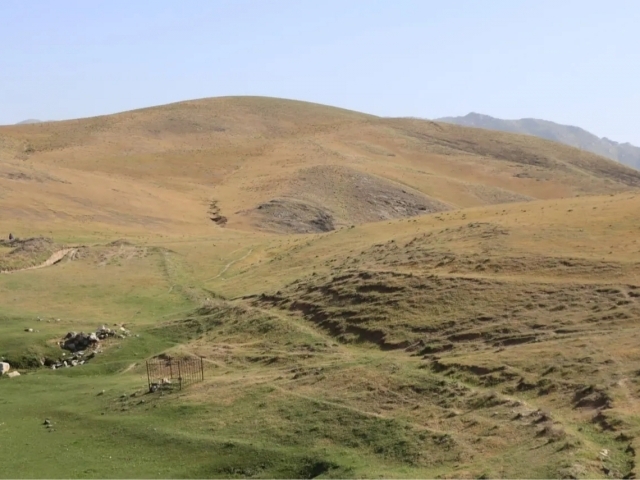
Жорий йилнинг 28 апрелидан 6 майига қадар Жиззах вилоятининг Ғаллаорол туманида жойлашган Нурота тоғ тизмасида олиб борилган дала тадқиқот-қидирув ишларида палеолит ва неолит даврларига оид янги археологик масканлар аниқланди. Бу ҳақда Маданий мерос агентлиги хабар берди.
Хусусан, Ўгат қишлоғининг ғарбий қисмида сўнгги палеолит даврига оид ибтидоий кишиларнинг яшаш макони қайд этилган. Изланишларнинг дастлабки таҳлиллари бу ҳудудда минг йиллар аввал инсонлар доимий ёки мавсумий истиқомат қилганини кўрсатмоқда.
Қоропчи қишлоғининг шимолий этакларида эса неолит даврига мансуб иккита янги макон аниқланган. Топилган манзиллар инсониятнинг деҳқончилик ва чорвачиликка ўтиш даврига оид муҳим маълумотларни ўз ичига олади.
Ёнбоштут қишлоғининг шимолида жойлашган “Бешбулоқ” номли макон ҳам неолит даврига тегишли бўлиб, бу ерда қадимги жамиятларнинг ижтимоий ва маданий ҳаётига доир излар топилган.
Агентликка кўра, мазкур археологик топилмалар Ўзбекистон ҳудудида энг ибтидоий одамларнинг яшаш тарихини ўрганишда муҳим қадам бўлиб хизмат қилади. Тадқиқотлар ҳозирги кунда ҳам давом эттирилмоқда. Келгусида топилмаларнинг илмий таҳлиллари асосида каталоглар, мақолалар ва кўргазмалар тайёрланиши режалаштирилган.
Эслатиб ўтамиз, аввалроқ Самарқанд вилоятининг Пастдарғом туманида жойлашган қабристондан топилган қадимий 2 та дахма ҳамда 1 та қабртош ўрганилгани ҳақида хабар берилганди.

Live
All