Ўзбекистонда жорий йил 16 та йирик қуёш ва шамол станцияси ишга туширилади
Local
−
27 January 2025 5439 3 minutes
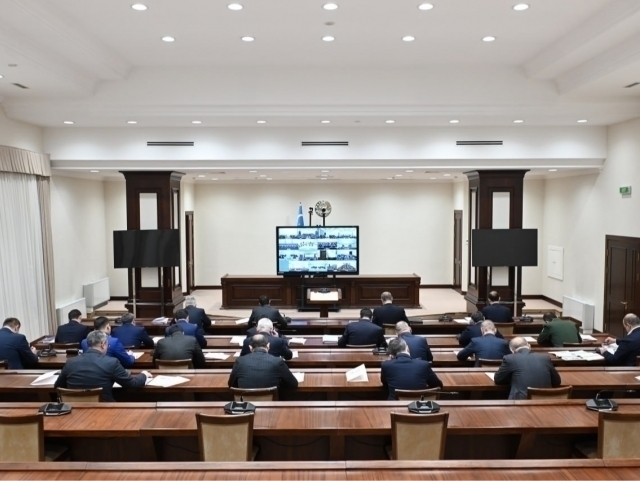
Ўзбекистонда жорий 2025 йилда 3,5 гигаваттли 16 та йирик қуёш ва шамол станцияси, 160 мегаваттли 5 та йирик ГЭС ва 1,8 гигаваттли энергия сақлаш қувватлари ишга туширилади. Бу ҳақда бугун, 27 январь куни Президент Шавкат Мирзиёев ўтказган “Атроф-муҳитни асраш ва “яшил иқтисодиёт” йили давлат дастури лойиҳаси юзасидан йиғилишда маълум қилинди.
Қайд этилишича, охирги уч йилда жойларда 3,5 гигаваттли 16 та йирик қуёш ва шамол электр станциялари ишга туширилган, 35 та кичик ГЭС қурилган. Саноатда “яшил энергия” сертификати тизими жорий қилинган. Қуёш панеллари ўрнатган хонадонлар 60 мингдан ошган. “Яшил макон” дастури доирасида дарахтлар экилиб, боғлар яратиляпти. Сувдан тежаб-тергаб фойдаланиляпти.
2025 йил мамлакатимизда “Атроф-муҳитни асраш ва яшил иқтисодиёт” йили деб эълон қилинди. Бу борада давлат дастури лойиҳаси ишлаб чиқилиб, бир ой давомида жамоатчилик муҳокамасидан ўтказилди. У билан 11 миллион фуқаро танишиб, 100 дан зиёд таклифлар танлаб олинди. Бирлашган Миллатлар Ташкилотининг тармоқлари ва бошқа ваколатхоналар ҳамкорликка тайёрлигини билдирди.
“Сўнгги йиллардаги жадаллик туфайли мамлакатимизнинг жами қувватларида “яшил” энергия улуши 16 фоизга етди. Бу йил уни 26 фоизга чиқариш режалаштирилган. Бунинг учун яна 3,5 гигаваттли 16 та йирик қуёш ва шамол станцияси, 160 мегаваттли 5 та йирик ГЭС ва 1,8 гигаваттли энергия сақлаш қувватлари ишга туширилади. Давлатимиз раҳбари бунга қўшимча яна 1 гигаватт қувватли лойиҳаларни шакллантириш бўйича кўрсатма берди”, дейилади хабарда.
Шунингдек, давлат корхоналари, саноат ва хизмат кўрсатиш мажмуалари ҳамда хонадонларда қуёш панеллари ўрнатишни рағбатлантириш давом эттирилади. Бунга 2 триллион сўм кредит ажратилади. Сирдарё вилояти Боёвут туманидаги 19-мактаб тажрибаси асосида боғча, мактаб ва шифохоналарда иссиқлик насосини жорий қилиш оммалаштирилади.
Бу йил камида 6 фоиз иқтисодий ўсиш суръатини сақлаб қолиб, ялпи ички маҳсулотни 125 миллиард доллардан ошириш мақсад қилинган. Бунга эришишда омилкорлик ва тежамкорлик жуда муҳим. Шу боис Бош вазир ўринбосари – иқтисодиёт ва молия вазирига энергия самарадорлиги ҳисобига харажатларни 15-20 фоизгача қисқартириш ва қўшилган қийматни кўпайтириш бўйича дастур ишлаб чиқиш топширилди.
Давлат раҳбари ресурс тежамкор иқтисодиёт моделига ўтиш вақти келганини таъкидлади. Мисол учун, электротехника, автомобилсозлик, фармацевтика ва озиқ-овқат саноатида 1 тонна энергия сарфига тўғри келадиган қўшилган қиймат кимё, қурилиш материаллари, тўқимачилик тармоғидагидан 15-20 баробар юқори.
Юқоридаги соҳаларда ҳам ресурсларни тежаш, кам энергия сарфлаб, кўп қўшилган қиймат олаётган тармоқларни ривожлантириш вазифаси қўйилди. Энергия истеъмоли юқори бўлган 400 та йирик саноат корхонаси энергия аудитдан ўтказилиб, тежамкор технологиялар жорий қилиниши белгиланди.
Билдирилишича, яқин келажакда ривожланган давлатлар фақат “яшил технология” асосида ишлаб чиқарилган маҳсулотларни олади. Шу боис ҳозирда бунга алоҳида эътибор қаратилмоқда. Бу йил ишлаб чиқариш ва инфратузилма лойиҳаларининг 15 фоизи, 2027 йилдан 30 фоизи, 2030 йилдан 55 фоизи “яшил” бўлади. Кам углеродли лойиҳаларни қўллаб-қувватлаш учун Европа тикланиш ва тараққиёт банки, Жаҳон банки ва бошқа ташкилотлардан 300 миллион доллар ресурс жалб қилинади.
Энергетика мажмуаларини барпо этишда 4 миллиард долларлик ускуна ва бутловчи қисмлар маҳаллий корхоналарда ишлаб чиқарилади. Бу орқали йирик лойиҳаларда “яшил компонент” улуши 25 фоиздан 31 фоизга етади. “Яшил макон” дастури доирасида ҳар йили 200 миллион туп дарахт экилмоқда. Ўтган 3 йилда 698 та боғ ва 316 та жамоат парки ташкил этилди. Орол денгизининг қуриган тубида қарийб 2 миллион гектарли бутазор барпо этилди.

Live
All