Ўзбекистонда жинсий ноаниқлик билан туғилганлар тақдири қандай кечади? Мутахассис билан суҳбат
Wellness
−
21 June 2025 22214 4 minutes
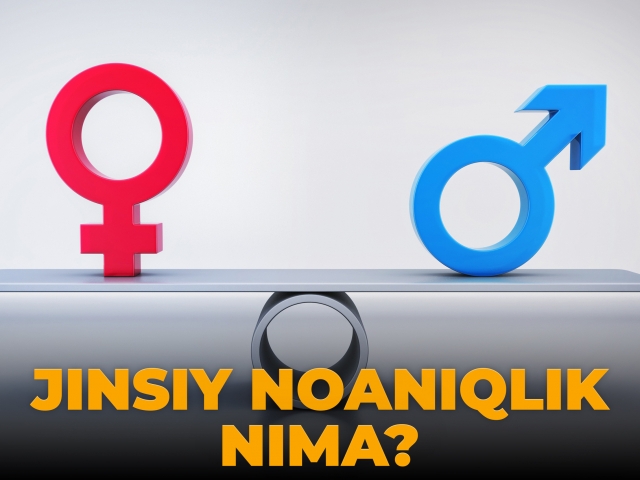
Яқинда Вазирлар Маҳкамасининг жинсини ўзгартирган фуқаролар исм-фамилиясини ҳам ўзгартириши мумкинлиги ҳақидаги қарори кўплаб муҳокамаларга сабаб бўлди. Жамоатчилик буни жиддий қабул қилди ва ижтимоий тармоқларда “жинсини ўзгартиришга рухсат берилди...”, “энди ким жинсини ўзгартирса, у фамилия, исм ва ота исмини ҳам ўзгартириши мумкин...” мазмунидаги турлича талқинлар урчиди. Шундан сўнг, Адлия вазирлиги ҳолатга ойдинлик киритиб, қарорга тушунтириш берди.
Қайд этилишича, қонунчиликка мувофиқ боланинг туғилишини қайд этиш вақтида унинг жинсига оид маълумотлар тиббиёт муассасаси томонидан бериладиган тиббий гувоҳнома асосида ёзилади. Бироқ ҳар йили ўртача 5-6 нафар бола жинси ноаниқ ҳолатда туғилиши учраб туради, бунда дастлабки текширувлар боланинг жинсини “ўғил” ёки “қиз” деб кўрсатса-да, кейинчалик бола 5-10 ёш, айрим ҳолатларда эса 10-16 ёшдан ошганда боланинг жинси “ўғил” эмас, “қиз” экани ёки аксинча “қиз” эмас, “ўғил” экани аниқланмоқда. Вазирлар Маҳкамаси қарорида эса айнан шундай ҳолатлар назарда тутилгани таъкидланди.
QALAMPIR.UZ Республика ихтисослаштирилган педиатрия илмий-амалий тиббиёт марказининг Болалар урологияси бўлими мудири Алишер Султоновдан жинсий ноаниқлик нима экани, Ўзбекистондаги вазият қандай экани ва яна бир қанча саволларга жавоб олди.
Иқбол Эргашова, мухбир: — Туғма жинсий ноаниқлик нима? Жинсий аъзоларнинг шаклан бошқа, ички тузилиши бошқача бўлиши ҳолатлари ҳақида маълумот берсангиз.
Алишер Султонов, болалар урологи: — Жинсий ривожланишнинг бузилиши (DSD) – бу жинсий аъзолар (гонадлар, ички ва ташқи жинсий аъзолар) ривожланиши одатдаги эркак ёки аёл турига мос келмайдиган туғма патологиялар гуруҳидир. Бу ҳолатлар генетик, гормонал ёки эмбриологик касалликлар билан боғлиқ бўлиши мумкин ва жинсий аъзоларнинг атипик тузилиши, балоғатга кеч етишиш ва бепуштлик шаклида намоён бўлиши мумкин.
Мухбир: — Жинсий ноаниқлик билан туғилган болаларда қандай урологик муолажалар кўзда тутилади?
Шифокор: — Бу генетик тестлар (карётиплаш, NGS), ультратовуш ва гормонал тестларни талаб қилади.
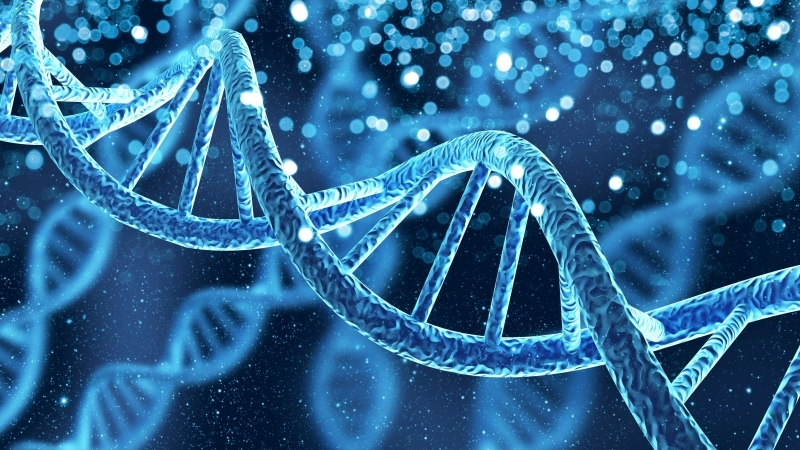
Биринчидан, сиз генетик жинсни аниқлашингиз керак (карётип, масалан, 46, XY ёки 46, XX) мос келмаслиги мумкин:
- Гонадалик жинс (мояк ёки тухумдонларнинг ривожланиши);
- Фенотипик жинс (ташқи жинсий аъзоларнинг тузилиши);
- Психологик жинс (одамнинг ўзини ўзи идентификация қилиши).
Мухбир: — Қачон операцион аралашув тавсия этилади ва бу қарор қандай клиник мезонларга асосланади?
Шифокор: — Даволаш жарроҳлик тузатиш, гормонал терапия ва психологик ёрдамни ўз ичига олиши мумкин. Беморни оптимал даволаш учун генетиклар, эндокринологлар, жарроҳлар ва психологларни ўз ичига олган мултидисиплинер ёндашувни талаб қилади. Бола ўз жинсини тушунишни бошлашдан олдин операция қилиш муҳимдир.

Мухбир: — Дастлабки йилларда бола жинси бўйича нотўғри қарорлар қабул қилинса, бу унинг кейинги ҳаётига қандай таъсир қилади?
Шифокор: — Бу депрессив ва ўз жонига қасд қилиш ҳолатларига олиб келади.
Мухбир: — Сўнгги йилларда жинсий ноаниқлик ташхиси қўйилган болалар сонида ошиш кузатилмоқда, деган гаплар юради. Сиз амалиётда бундай ҳолатларга қанчалик тез-тез дуч келасиз?
Шифокор: — Бу яхшиланган диагностика ва маълумотларга осон эга бўлиш билан боғлиқ. Биз педиатрия марказимизда йилига 2-3 та ҳолатни даволаймиз ва операция қиламиз.

Мухбир: — Ўзбекистонда шундай хасталик билан туғилган беморлар тақдири қандай кечади? Даволаш, операция ёки ҳужжат ишларида муаммолар кузатилмайдими?
Шифокор: — Афсуски, республикамизда одамлар ҳар доим ҳам ўз вақтида таълим олишмайди, балки хижолат бўлганидан яшириб қўйишади. Одамлар фақат 16-18 ёшда мурожаат қиладиган ҳолатлар мавжуд. Муваффақиятли операциялардан сўнг беморнинг туғилганлик ҳақидаги гувоҳномаси ўзгаради. Ғийбат ва оилага психологик таъсир қилмаслик учун яшаш жойини ўзгартиришни таклиф қиламиз.
Бу хасталик халқаро тасниф бўйича - Ноаниқ жинс ва псевдоҳермафродитизм (Q56). Бундан ташқари, псевдоҳермафродитизм:
- адренокортикал бузилиши бўлган аёл (E25.-)
- андроген қаршиликка эга эркак (E34.5)
- белгиланган хромосома аномалиялари билан (Q96-Q99)
Агар даволанишни эрта бошласангиз, асоратларни олдини олиш мумкин. Шунинг учун оилада шундай муаммолар бўлса, ўз вақтида мурожаат қилишингизни сўрайман.

Live
All