Сув остидаги тарих: чўкиб кетган манзилларга саёҳат
Interesting
−
20 October 2025 9292 8 minutes

Сув остида қолган шаҳарлар шунчаки афсона эмас. Қадимги дунёда кўплаб соҳилбўйи цивилизациялари денгиз ёки океан сувларига ғарқ бўлган, кўчалар, уйлар ва ибодатхоналар тўлқинлар остида қолган.
Сув остини ўрганиш иложи бўлмагани туфайли асрлар давомида бундай жойлар ҳақидаги маълумотлар афсоналигича қолган. XX аср бошларидан бошлаб океанография ва денгиз фанларидаги ютуқлар сувости археологиясига йўл очди, бу эса олимларга жойларни хариталаш, артефактларни тўплаш ва чўкиб кетган шаҳарлар ҳикояларига аниқлик киритиш имконини берди.
Дастлабки соҳилбўйи манзилгоҳларининг айримлари иқлим ўзгариши туфайли сув остида қолган. Геоморфологик, чўкинди ва палеонтологик маълумотлардан фойдаланган ҳолда олимлар аниқладиларки, охирги музлик даврининг энг юқори нуқтасида, тахминан 30-20 минг йил аввал, денгиз сатҳи бугунгидан қарийб 130 метр пастда бўлган. Бу давр якунида қутб музликлари эриб, денгиз сатҳи кескин кўтарилган. Соҳилбўйида қурилган кўплаб қадимги манзилгоҳлар сув остида қолиб, ташлаб кетилган. “Чўкиб кетган қадимий шаҳарлар археологияси ва ландшафтлари” лойиҳаси яқинда 19 мамлакатда 2 600 та шундай чўкиб кетган жойларни аниқлади. Улар орасида Франциянинг Марсель шаҳридаги машҳур деворий расмлари билан танилган Коскер ғори ҳам бор. Ғорнинг кириш жойи ҳозирда тахминан 30 метр чуқурликда жойлашган.
Беқарор замин
Инсонлар Ер сайёрасини “қаттиқ замин” деб аташади, аммо бу ҳақиқатдан йироқ. Аслида, сайёра узлуксиз геологик силжиш жараёнида, табиий бузилиш ва қайта тикланиш орқали доимий ўзгаришда. Тектоник плиталар ҳаракати натижасида зилзила, вулқон, цунами ва бошқа сейсмик ҳодисалар сайёрани титратиши, емириши, суюқлаштириши ёки ҳатто сувга ғарқ қилиши мумкин.
Тарих бундай геологик ўзгаришларнинг бир қанчасига гувоҳ бўлган. Ўтмишда одамлар бу ҳодисаларни диний сабабларга кўра илоҳий жазога йўйишган. Бугун эса одамлар шаҳарларни сув остида қолдирган бу табиий ҳодисаларга илмий тушунтириш излайди.
Сейсмик фаоллик бир неча бор соҳилбўйи ҳудудлари ва бутун шаҳарларнинг йўқолишига сабаб бўлган. Кучли зилзила ёки унинг оқибатидаги цунамилар шаҳарларни бутунлай йўқ қилиб юбориши мумкин. Масалан, милоддан аввалги 373 йилда юнон шаҳри Гелика шундай қисмат билан юзлашган. Орадан 7 аср ўтиб, 365 йилда Крит оролида Ўрта ер денгизи тарихидаги энг кучли зилзила юз берган. Тахминан 8,3 магнитудали бу зилзила Ўрта ер денгизи бўйлаб кўпгина цунамиларни келтириб чиқарган, Мисрнинг Искандария ва ҳозирги Ливия ҳудудидаги Аполлония каби порт шаҳарларини вайрон қилган.
Бу каби даҳшатли силкинишлардан ҳам кўпроқ тарқалган ҳодиса бу – чўкиш, яъни Ер қобиғининг сейсмик ёки вулқон фаоллиги натижасида аста-секин пастга тушиш жараёни. Чўкиш оқибатида денгиз ичкарига кириб боради ва йўлида учраган ҳар қандай бино ёки манзилгоҳни ютиб юборади. Бундай табиий жараёнлар тарихда кўплаб соҳилбўйи манзилларининг бутунлай ёки қисман йўқолишига олиб келган. Қолдиқ ва харобалар сув остида бўлгани учун, археологлар ўтган асргача уларни чуқур ўрганиш имконига эга эмасди.
Ўрта ер денгизи ҳавзаси, шу жумладан, Қора денгиз тўлқинлари остида кўплаб ёдгорликлар мавжуд. Бу чўкиб кетган жойлар ҳозирда замонавий сувости археологлари учун “ов майдони”га айланган. Олимлар SONAR (товуш тўлқинлари ёрдамида сув остидаги объектларни аниқлаш, жойлашувини ўлчаш ва масофани белгилаш тизими), робототехника, 3D сканерлаш ва сувости камераларидан фойдаланмоқда.
Павлопетри: чўкиб кетган энг қадимий шаҳар
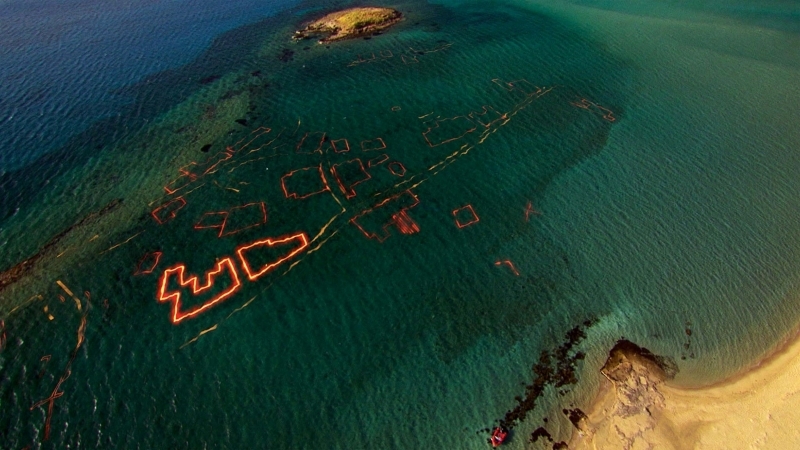
Жанубий Пелопоннес яриморолида жойлашган Павлопетри шаҳри тахминан милоддан аввалги 3 500 йилларда неолит даври манзилгоҳи сифатида пайдо бўлган ва кейинчалик Қадимги Юнонистоннинг муҳим савдо марказига айланган. Эгей денгизи минтақаси зилзила ва цунамиларга мойил бўлиб, шаҳарнинг аста-секин чўкиб кетишига олиб келган. Соҳил яқинидаги бинолар денгиз бўрони ва цунамилар оқибатида вайрон бўлган. Шаҳар бундан 3 000 йилдан ҳам кўпроқ вақт аввал Ўрта ер денгизидаги сув сатҳининг кўтарилиши оқибатида қолган.

Шаҳар қолдиқлари Лакония ороли асрлар давомида тахминан 4 метр чуқурликда қалин қум остида кўринмас ҳолатда ётган. Сўнгги ўн йилликларда оқим ва иқлим ўзгариши Павлопетри шаҳрини пана қилиб турган тўсиқни емира бошлади. Шаҳар қолдиқлари илк марта 1967 йилда денгиз сатҳи ўзгаришларини таҳлил қилаётган илмий экспедиция аъзоси, британиялик океанограф Николас Флемминг томонидан аниқланган. Бир йил ўтиб, у бир неча талабалар билан қайтиб келиб, жойни ўрганди ва харитасини чизди. Жамоа 15 га яқин бино, ҳовли, кўчалар тармоғи ва икки камерали қабрни аниқлади.
2009 йилда бир неча археологлар ва Юнонистон ҳукумати ҳамкорликда Павлопетри қазишмаларини қайта бошлади. Бу вақтга келиб, сувости археологияси техникаси ва воситалари 1960 йиллардагига нисбатан анча тараққий этганди. Жамоа манзилни ўрганиш учун робототехника, SONAR хариталаш ва илғор график технологиялардан фойдаланди ҳамда 2013 йилгача сув остидаги қадимий шаҳарни юзага чиқаришга эришди. Тахминан 2,5 гектар майдонни эгаллаган Павлопетрининг учта асосий кўчаси 50 га яқин тўртбурчак шаклидаги биноларни боғлаган, уларнинг барчасида очиқ ҳовлилар мавжуд эди.
Фанагория: Қора денгиз тубида қолган шаҳар
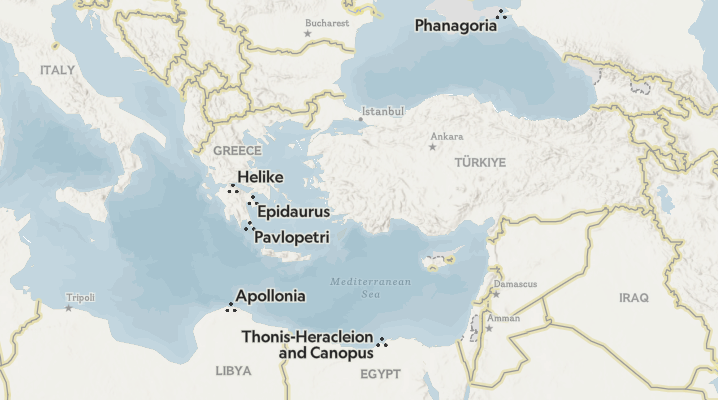
Милоддан аввалги 540 йилларда форс империясидан қочиб келган иониялик юнонлар Қора денгиз соҳилларида, ҳозирги Россиянинг Краснодар шаҳри яқинидаги Таман яриморолида бир шаҳар қуришган. У муҳожирлардан бири шарафига Фанагория деб аталган. Шаҳар денгиз савдоси туфайли тез орада бойиб, гуллаб-яшнаган. Милоддан аввалги IV асрда шаҳар атрофдаги ҳудудларнинг кўп қисмини бошқарган юнон-скиф давлати Боспор қироллигининг бир қисмига айланди ва охир-оқибат қиролликнинг шарқий пойтахтига айланди. Кейинчалик бу ҳудуд Рим назорати остига ўтди, бироқ Фанагория гуллаб-яшнашда давом этди.
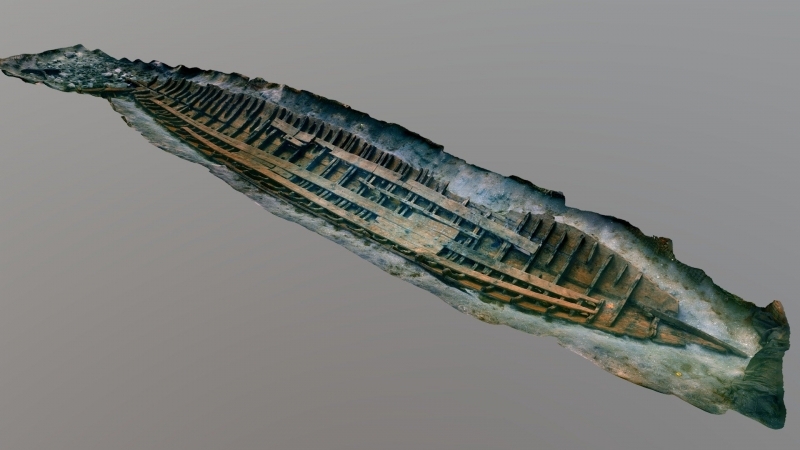
Милодий биринчи минг йилликда Фанагориянинг тақдири ўзгара бошлади. Ҳудуддаги кучли сейсмик фаоллик ва лой вулқонлари шаҳар остидаги тупроқни заифлаштириб, чўкишига сабаб бўлди. Қора денгиз сувлари шаҳарга бостириб киргач, унинг бир қисми сув остида қолди. Қолган қисмлар эса босқинлар оқибатида вайрон бўлди ва минтақадаги аҳамиятини йўқотди.
Фанагория харобалари 1800 йилларда аниқланган, аммо фақат қуруқликдаги жойлар ўрганилган эди. 1950 йилларда қадимий шаҳар майдонининг тахминан 60 гектари сув остида эканлиги тасдиқланди. Технологиялар ривожланган сари Фанагориядаги топилмалар ҳам ошиб борди. 2004 йилда милодий III-IV асрларга тегишли маёқ ёки кузатув минораси экани тахмин қилинган йирик соҳил иншооти қолдиқлари топилди. 2012 йилда эса археологлар шаҳарнинг порт қисмини аниқлади. Шунингдек, милоддан аввалги I асрга оид, жуда яхши сақланган кичик ҳарбий кема топилди.
Гераклеон ва Канопус: Мисрнинг йўқолган денгиз портлари

Қадимги Мисрнинг Гераклеон ва Канопус деб номланган энг муҳим икки порти тахминан 1 200 йил аввал Абу-Кир кўрфази сувлари остига чўкиб кетган. Олимлар Нил дельтаси ҳудудида жойлашган бу икки шаҳар денгиз сатҳининг кўтарилиши ва доимий сейсмик фаоллик туфайли чўкиб кетган деб ҳисоблайди.
Гераклеон йирик савдо маркази бўлиб, бутун Ўрта ер денгизидан келган товарлар учун дарвоза вазифасини бажарган. Милоддан аввалги VIII асрдан бошлаб манбаларда тилга олинган бу шаҳар, милодий 331 йилга келиб Искандария шаҳри муҳим савдо марказига айлангач, аста-секин инқирозга юз тутган.
Сувости археологи Франк Годдио ва Европа Сувости археологияси институти томонидан олиб борилган тадқиқотлар натижасида 2000 йилда Гераклеон харобалари топилди. Бу жойда машҳур Амон-Гереб ибодатхонаси, унинг ташқи деворлари ва кириш қисмида баландлиги 4,5 метрдан ортиқ бўлган учта улкан ҳайкал аниқланган. Сўнгги йигирма йилдан ортиқ давом этаётган археологик тадқиқотлар шаҳарга оид кўплаб сирларни очиб берди. Сув йўллари, кичик ибодатхоналар, кўплаб кема қолдиқлари ва юзлаб тош лангарлар бу порт бир вақтлар юнон савдогарлари учун серҳаракат савдо маркази бўлганини тасдиқлайди.
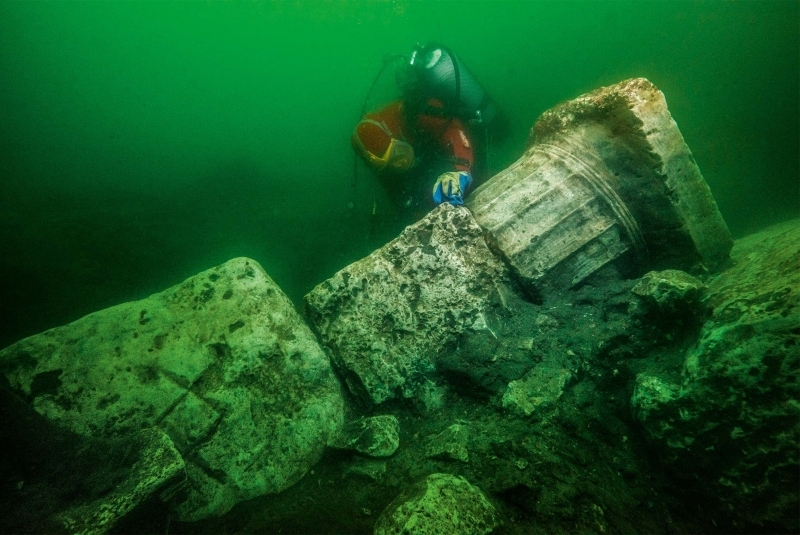
Канопус эса Птолемейлар давридаги Мисрнинг муҳим диний маркази бўлган. У ерда юнон ва миср худолари хусусиятларини бирлаштирган Серапис худосига бағишланган улкан ибодатхона жойлашган эди. Қадимги дунёнинг турли бурчакларидан зиёратчилар бу ибодатхонада сажда қилиш учун Канопусга келишган. 1933 йилда мисрлик олим шаҳзода Умар Туссун балиқчилар ва инглиз учувчиси кўрсатмаларига асосланиб, у ерда илк археологик тадқиқотни ўтказган. 1999 йилда эса Годдио жамоаси Абу-Кир қўлтиғини ўрганиш жараёнида бу жойни топиб, уни йўқолган Канопус шаҳри сифатида тасдиқлади.
Эпидавр: денгиз бўйидаги вилла

Бутун дунёга ўзининг улуғвор театри билан танилган юнон шаҳри Эпидавр қачонлардир Арголид яриморолининг энг муҳим савдо портларидан ҳам эди. Рим империяси даврида унумдор ер ва денгизга қулай чиқиш имкониятидан фойдаланган ҳолда, соҳил бўйлаб кўпгина денгиз саройлари қурилган. Шаҳар ташқарисида жойлашган бу аҳоли пунктлари қишлоқ хўжалиги, вино, зайтун ёғи ва римликлар орасида жуда қадрланган балиқ соуси – гарум ишлаб чиқаришга мўлжалланган. Аҳоли меҳнатсевар бўлса-да, уларнинг уй-жойлари қулай, ҳатто ҳашаматли бўлган, топилмаларда ҳаммомлар, дам олиш жойлари ва меҳмонхоналар бўлган.
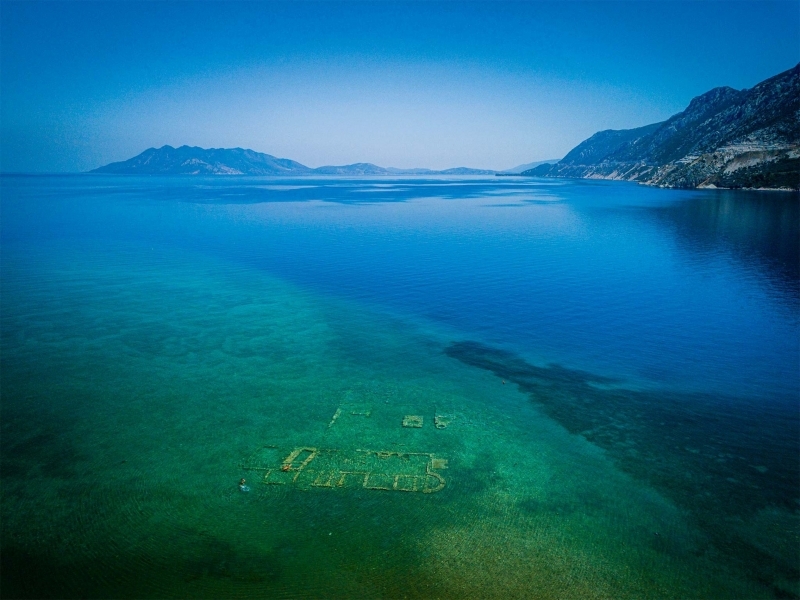
Милодий V асрда, қурилганидан бир аср ўтиб, бу виллалардан бири Агиос Власиос қўлтиғи сувлари остида қолган. Бу ҳодиса ҳудуддаги кучли сейсмик фаоллик ва денгиз сатҳининг кўтарилиши туфайли содир бўлган. 1967 йилда океанограф Николас Флемминг мазкур ҳудуддаги бир неча сувости тузилмаларини ҳужжатлаштирди. 1971 йилда археолог Хараламбос Критзас маҳаллий аҳоли “чўкиб кетган шаҳар” деб атайдиган жойни аниқлади, бу жой ҳам аслида Рим даврига оид соҳил вилласи қолдиқлари экани маълум бўлди.

Соҳилдан атиги 45 метр узоқликда ва 1,9 метр чуқурликда жойлашган бу вилла харобалари учта хонадан иборат. Улардан бири катта омбор бўлиб, ичида 20 га яқин катта сопол идишлар бўлаклари топилган. Бу идишлар вино сақлаш ва баъзида ферментация қилиш учун ишлатилган. Иккинчи хона вино сиқиш жойи бўлган кўринади, учинчиси эса ҳаммом бўлган бўлиши мумкин.

Live
All