Россия “Толибон”ни тан олди. Кўзланган мақсадлар қандай?
Review
−
11 July 2025 6621 5 minutes
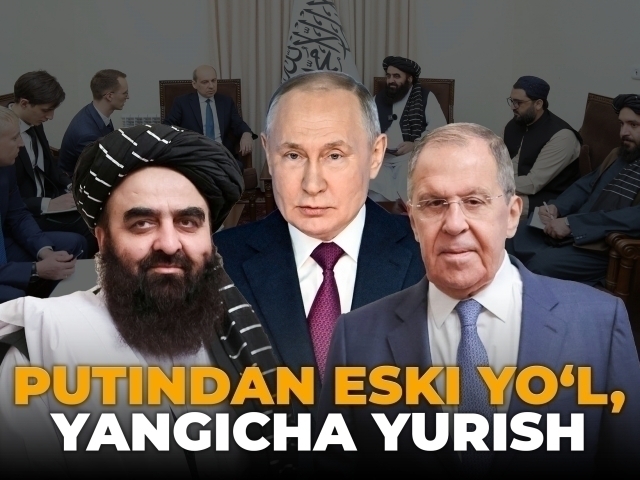
Яқинда Россия Афғонистондаги “Толибон” муваққат ҳукуматини расман тан олган илк давлатга айланди. 3 июль куни Афғонистон ташқи ишлар вазири вазифасини бажарувчи Амир Хон Муттақи Россия элчиси Дмитрий Жирнов билан тушган суратини Х тармоғида улашди ва Россиянинг бу ҳаракатларини “жасур қарор” деб атади. Шунинг билан Россиянинг анчадан бери тахмин қилинаётган юриши ўз исботини топди. Бу мамлакат нафақат янги элчихона очди, балки янги геосиёсий имкониятларга ҳам йўл очди.
Бир ойдан сўнг “Толибон” ҳокимиятга қайтганига тўрт йил тўлади, шундан бери биринчи марта дунёдаги йирик давлатлардан бири норасмий алоқалардан чиқиб, Қобулдаги амалдаги ҳукмдорларни қонуний ҳамкор сифатида тан олди.
Хавфдан ҳамкорга
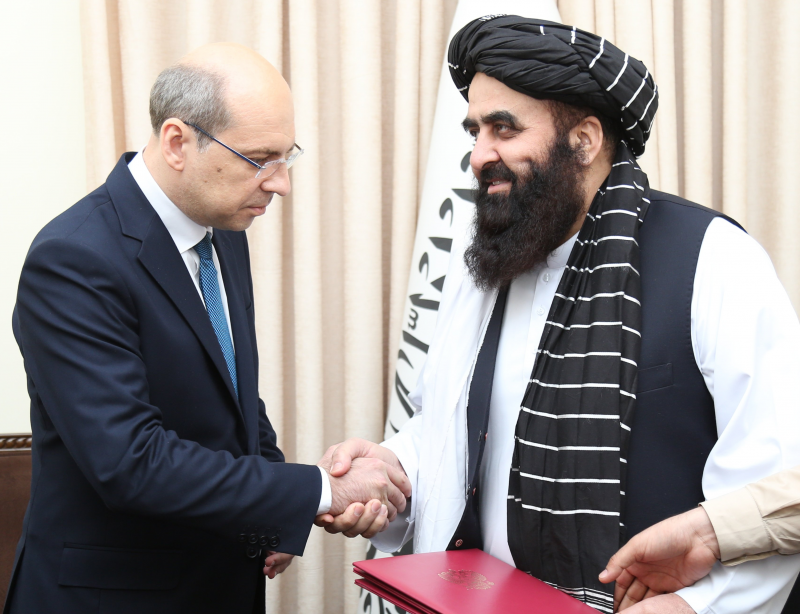
1 июль куни “Толибон” элчиси Гул Ҳасан Россия Ташқи ишлар вазири ўринбосари Андрей Руденкога ишонч ёрлиқларининг нусхасини топширди. Орадан икки кун ўтиб, Москва бу қарорни расман эълон қилди:
“Афғонистон Ислом Амирлиги энди дипломатик, сиёсий ва рамзий жиҳатдан тан олинган”.
Бу апрель ойидаги муҳим ички қарорнинг кутилган давоми эди. Ўшанда Россия 2003 йилдан буён террорчи деб тан олинган “Толибон”ни миллий террористик ташкилотлар рўйхатидан чиқарганди. Ташқи ишлар вазирлиги буни хавфсизлик, иқтисодий мулоқот ва минтақавий барқарорлик йўлида прагматик қадам сифатида изоҳлади.
“Улар ҳақиқий кучдир. Афғонистон бизга бефарқ эмас. Бу эса, айниқса, Марказий Осиёдаги иттифоқчиларимизга бефарқ эмас. Демак, бу жараён воқеликни англашни акс эттиради”, деган эди вазир Сергей Лавров.

“Толибон” Россиянинг бу қадамини халқаро эътирофга йўл очувчи омил сифатида илиқ кутиб олди. Чунки оғир танқидларга қарамай, Ғарб давлатлари ҳам норасмий алоқаларни ёпмади, аммо ҳозиргача ҳеч ким бу қадамни ташлашга журъат этмаган эди.
Бу Россиянинг Афғонистондаги биринчи дипломатик ваколатхонаси эмас. 2021 йилда Ғарб дипломатлари эвакуация қилинганида ҳам Россия элчихонаси ишини давом эттирди. Ундан анча олдин эса Совет аскарлари ҳозирги “Толибон”нинг асоси бўлган мужоҳидларга қарши ўн йиллик урушдан сўнг 1989 йилда Афғонистондан чиқиб кетган эди. Умуман олганда, Москванинг бу сафарги қарорини янги йўл эмас, бошқача юриш дейиш мумкин.
Россия учун “Толибон”ни тан олиш фақат дипломатия эмас, бу аввало, хавфсизлик масаласидир. Энди расмий алоқа йўлга қўйилганидан сўнг, Москва “Толибон”дан энг долзарб масалаларда ҳақиқий ҳамкорликни талаб қилиш имкониятига эга. Масалан, экстремистик гуруҳларни жиловлаш ва Марказий Осиёдаги “қўл” бўлиш.
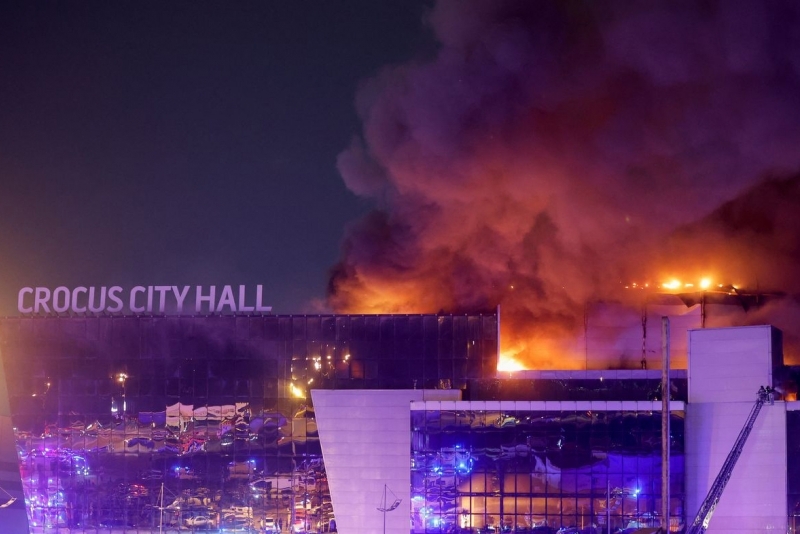
Экстремистик гуруҳлардан хавотир шунчаки назарий эмас. 2024 йил март ойида Москвадаги “Crocus City Hall” залида содир этилган ҳалокатли теракт Россияни ларзага солди. Дастлаб бунинг ортида Украина тургани иддао қилинган бўлса-да, кейинчалик ҳолат кўпроқ Россияни душман деб эътироф этувчи ИШИДнинг “Хуросон вилояти” тармоғига алоқадорлигига урғу берилди.
Бу воқеа Кремлнинг ҳисоб-китобларини ўзгартирди. Қанчалик оғриқли бўлмасин, “Толибон” билан ҳамкорлик стратегик заруратга айланди. Ҳаттоки, 2024 йилда Россия Президенти Владимир Путин “Толибон”ни терроризмга қарши курашдаги “иттифоқчи” деб атади, бу Москванинг уларга муаммо эмас, балки ечим ўлароқ қараётганининг очиқ сигнали эди.
Дипломатиядан савдога
Тан олиш – бу кириш ҳуқуқи демак. Афғонистон эса таклиф этадиган ресурсларга бой. Литий, нодир қазилмалар ва ҳали қазилмаган ерости бойликлари жиҳатидан мамлакат глобал иқтисодий манфаатлар марказига айланган. Энди эса расмий алоқалар мавжуд бўлгани туфайли Россия компаниялари бу бозорда ҳуқуқий ҳимоя ва дипломатик ёндашув билан иштирок этиши мумкин.
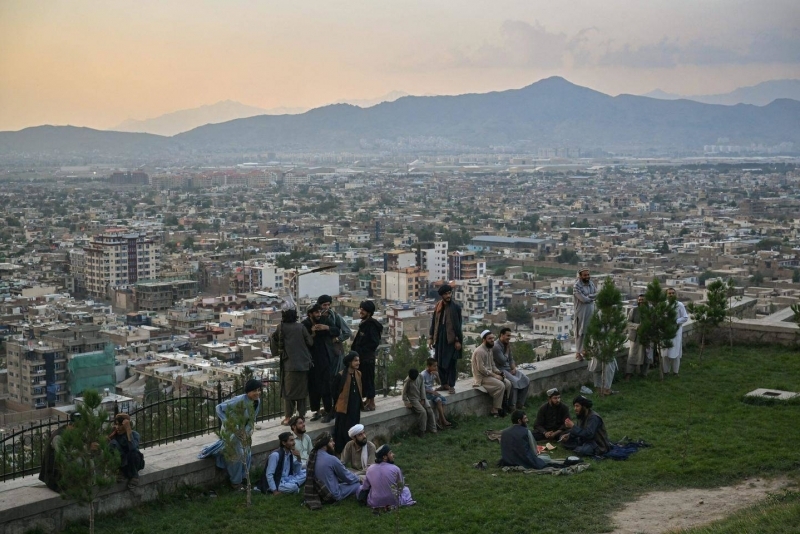
Гап фақат фойдали қазилмалар билан боғлиқ эмас, бу олди-берди масаласи ҳам. Россия маҳсулотлари аллақачон афғон бозорларига кириб бормоқда, қуритилган мевалар ва доривор ўсимликлар каби афғон қишлоқ хўжалик маҳсулотлари Россиянинг турли ҳудудларидаги дўконларда сотувга чиқмоқда. “Financial Times” нашрининг ёзишича, бошқалар ҳамон иккиланаётган бир вақтда Москва жимгина янги савдо йўлагини барпо қилмоқда.
Устига-устак, Афғонистон Марказий ва Жанубий Осиё чорраҳасида жойлашган, келажакда Покистон, Ҳиндистон ва Ҳинд океанига чиқиш имкониятини берувчи ер кўпригидир. Россия учун бу фақат стратегик эмас, балки логистика масаласидир. Санкциялар ва ўзгараётган савдо йўллари даврида ҳар бир янги коридор муҳим.
Минтақада мустаҳкамланаётган манфаатлар
АҚШ ва Ғарб давлатлари учун “Толибон” ҳали ҳам расмий рад этилади. Норасмий ҳолатда орқа эшиклар очиқ. Шундай паллада Россиянинг тан олиши АҚШ ёки Евроиттифоқ томонидан янги санкцияларни келтириб чиқариши мумкинми? Шарқшунос сиёсий таҳлилчи Фарҳод Иброҳимовнинг ёзишича, шундай эҳтимол мавжуд. Аммо Россия аллақачон қаттиқ санкциялар остида бўлгани учун бу алоҳида хавотирга сабаб бўла олмайди.
“Бунинг ўрнига, тан олиш Москвага ҳам Қобулда, ҳам минтақада “биринчи қадам ташлаган” мақомини беради. Бу фақат газ ва қуроллар билан эмас, балки ўтмиш хотири билан қилинмоқда: Марказий Осиёда Россия ҳамон собиқ хавфсизлик кафолатчиси ва барқарорлаштирувчи сифатида обрўга эга. Бу ишонч энди музокара столига қайтмоқда”, дейди таҳлилчи.
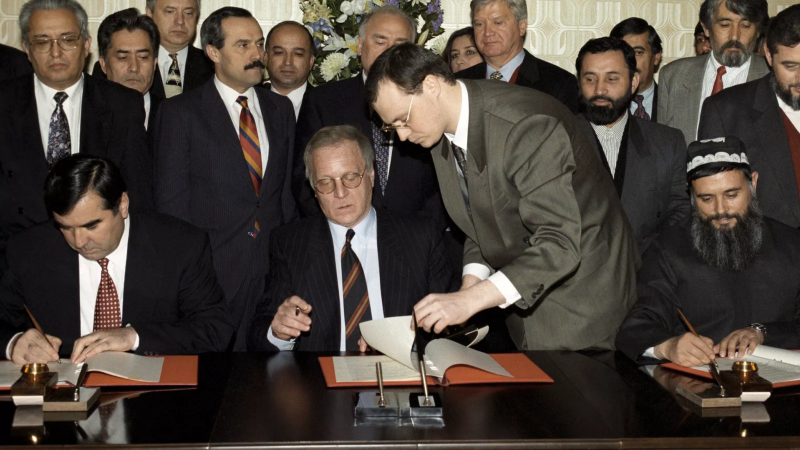
Россия 1997 йилда Тожикистонда фуқаролик урушини тугатишда воситачилик қилиб, рақиб томонлар ўртасида келишувга эришган эди. Сиёсатчининг фикрича, Россия минтақа давлатлари орасида воситачи ролига киришади. Масалан, “Толибон” ва Тожикистон ҳукумати ўртасидаги таранг муносабатларда Россия ҳар икки томон ишонган ва минтақавий хавфсизлик тизимларида чуқур илдиз отган давлат сифатида воситачилик қилиш имкониятига эга. Худди шунингдек, Афғонистон ва Туркманистон ўртасидаги низолар ва ишончсизлик шароитида ҳам Россиянинг роли долзарб.
“Энг катта мақсад эса – энергия. Қобулдаги дастлабки иқтисодий иштирок ва йиллар давомида ишлаб чиқилган Евросиё энергия йўлаги ғояси орқали Москва Афғонистонга фақат хавф сифатида эмас, балки қурилиши лозим бўлган кўприк сифатида қарамоқда”, деб ёзади Фарҳод Иброҳимов.

Live
All23 October