Параллель олам: ташқи дунёдан буткул узилган одамлар
Interesting
−
22 May 2025 33242 7 minutes

Ер юзининг энг чекка бурчакларида, зич ўрмон ва узоқ оролларда бутунлай замонавий цивилизациядан ташқари ҳаётни танлаган қабилалар мавжуд. Улар технология, саноатлаштириш ва замонавий жамият ўзгаришларига қарши туриб, ўз аждодлари каби яшашда давом этмоқда. Бундай қабилаларнинг кўпчилиги Жанубий Американинг зич Амазон ўрмонларида ёки Африканинг узоқ ҳудудларида яшайди, чунки бу жойлар ер юзининг энг кам ўрганилган нуқталари ҳисобланади.
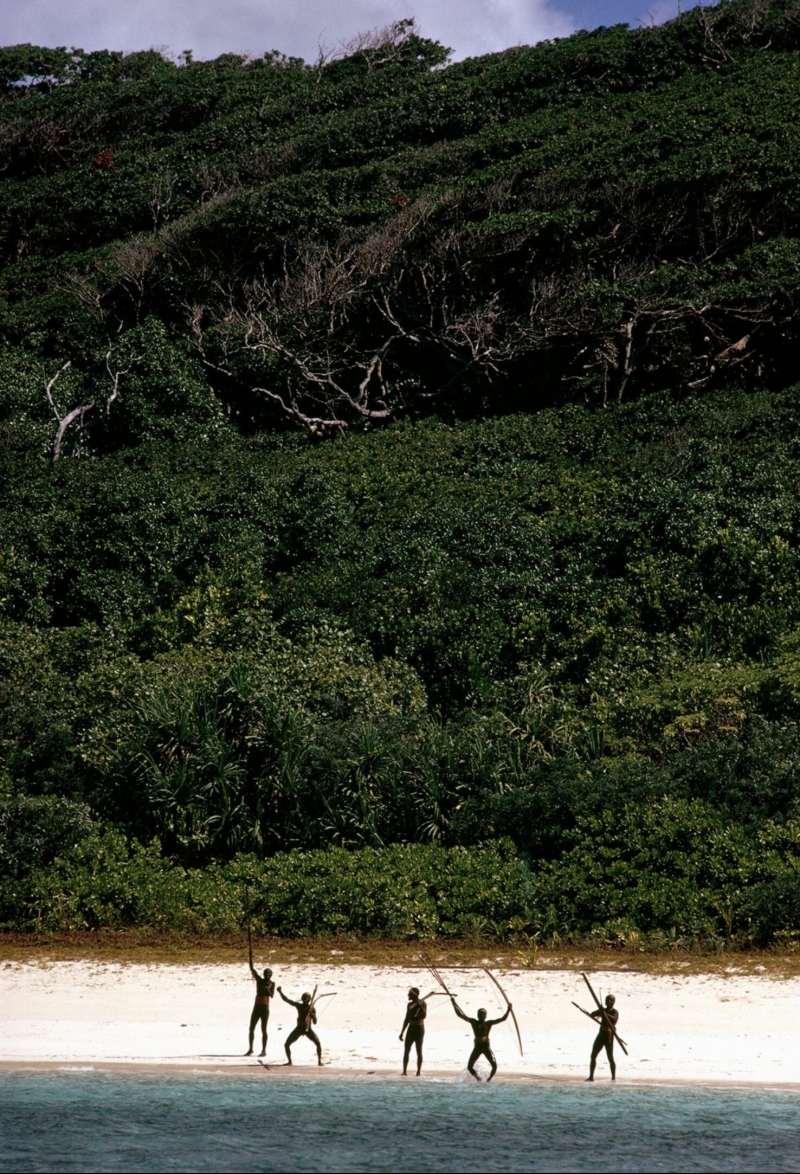
БМТ ва Survival International ташкилотининг ҳисоботларига кўра, ҳозирда изоляцияда яшайдиган 100 дан ортиқ қабилалар мавжуд. Аниқ сони номаълум бўлса-да, бу рақам янада юқори экани тахмин қилинади. Уларнинг энг кўпи Амазон ўрмонида яшайди ва биргина Бразилиянинг ўзида 70 дан ортиқ алоқага киришилмаган қабила бор, деб ҳисобланади. Мақолада шундай қабилаларнинг бир нечтаси ҳақида сўз боради.
Миссионерни ўлдирган қабила – сентинельци халқи

Шимолий Сентинел оролидаги сентинельци халқи дунёдаги энг изоляциядаги қабила ҳисобланади. Улар Африка қадимги одамларининг тўғридан тўғри авлодлари бўлиб, 60 минг йилдан ортиқ вақтдан буён ажралиб яшайди ва энг қадимги қабила бўлиши мумкин. 1800 йилларнинг охирларида британиялик кашфиётчилар баъзи сентинельци одамларини ўғирлаб, уларни қулликка мажбурлаган. Оқибатда, қул қилинган сентинельци одамлари турли касалликларга чалиниб, вафот этган ва қабила аъзоларининг сони кескин камайиб кетган. Бугунги кунда сентинельци халқи ўзини қаттиқ ҳимоя қилади ва бегоналар билан ҳар қандай алоқага қатъиян “йўқ” дейди. Шу сабабли улар энг тажовузкор қабила сифатида танилган.

2018 йилда қабила оролга ноқонуний ташриф буюрган америкалик миссионер Жон Аллен Чауни ўлдиргани учун халқаро эътиборга тушди. Шундан сўнг орол Ҳиндистон томонидан тақиқланган ва ҳимояланган ҳудудга айлантирилди.
Замонавий дунёдан азият чекаётган қабила – жарава
Андаман оролларида яшайдиган жарава халқи ҳам қадимий қабила бўлиб, бу ҳудудда 55 минг йилдан буён яшаб келмоқда. Сентинельци қабиласидан фарқли ўлароқ, жарава халқи замонавий жамият билан кўпроқ алоқада бўлган, кўпинча бу алоқалар уларнинг розилигисиз содир бўлган.
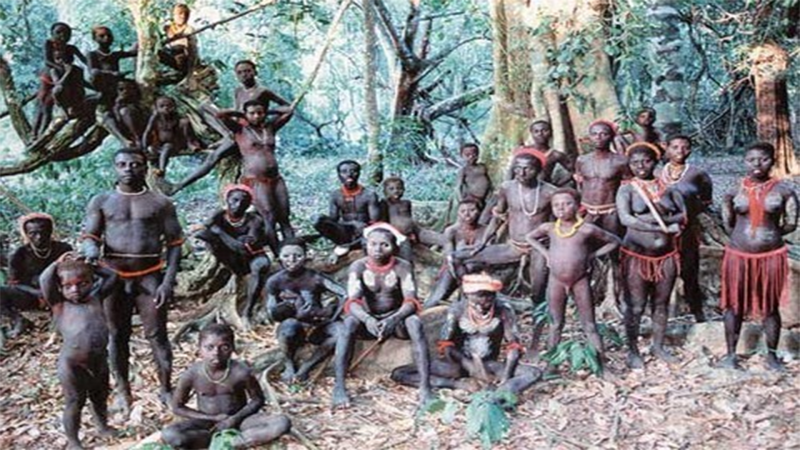
2002 йилда Ҳиндистон Олий суди уларнинг ҳудудида автомагистраль қурилишини тўхтатди, аммо уларнинг юрти овчи ва сайёҳлар томонидан бузилишда давом этмоқда. Шу қийинчиликларга қарамай, баъзи жарава гуруҳлари ҳали ҳам бегоналар билан алоқадан қочишга муваффақ бўлмоқда.
Сони бўйича туман аҳолисига тенг Палаван оролидаги қабилалар

Филиппиннинг Палаван оролида тахминан 40 минг нафар туб аҳолиси оролнинг узоқ ўрмонларида ажралиб яшайди. Бу йирик, тақиқланган оролда “Тош одамлар” маъносини билдирувчи Tau’t Bato қабиласи яшайди. Улар сўнган вулқон ғорларида яшаб, анъанавий ҳаёт тарзини давом эттирмоқда, гарчи тоғ-кон ишлари ва кўчиб келувчилар уларнинг ҳудудига киришга ҳаракат қилса ҳам.
Қул қилинган қабила – карабайо халқи
Карабайо қабиласи Колумбия ва Бразилия чегарасидаги Амазон ўрмонининг йироқ ҳудудларида яшайди. Асрлар давомида қул савдогарлари ва каучук йиғувчиларнинг зўравон ҳужумларига дуч келган. Ўрмонда ўсадиган баъзи дарахтларда латекс, яъни қотгач мустаҳкам резинага айланувчи оқ суюқлик ажралади. Замонавий одамлар шунинг учун маҳаллий аҳоли ҳаётига хавф солади.

2012 йилда Колумбиянинг Миллий боғлар бошқармаси ва Амазонни муҳофаза қилиш гуруҳи томонидан олинган суратлар “Rio Puré” Миллий боғида одамлар мавжудлигини тасдиқлади. Улар дунёдаги энг сирли ва ажралиб яшовчи қабилалардан бири ҳисобланади.
Ўрмон ўзлаштирувчиларга ҳужумкор қабила – тароменане
Эквадор Амазонидаги тароменане қабиласи жуда узоқда, ажралиб яшайди, уларнинг ҳудуди сув ва ресурслардан йироқроқ. Улар Эквадордаги энг сирли жамоалардан биридир. Улар қўшни туб аҳоли ва айниқса, ҳудудга ноқонуний равишда кирган нефть ишчи ва ёғоч кесувчиларга ҳужум қилиши билан танилган.
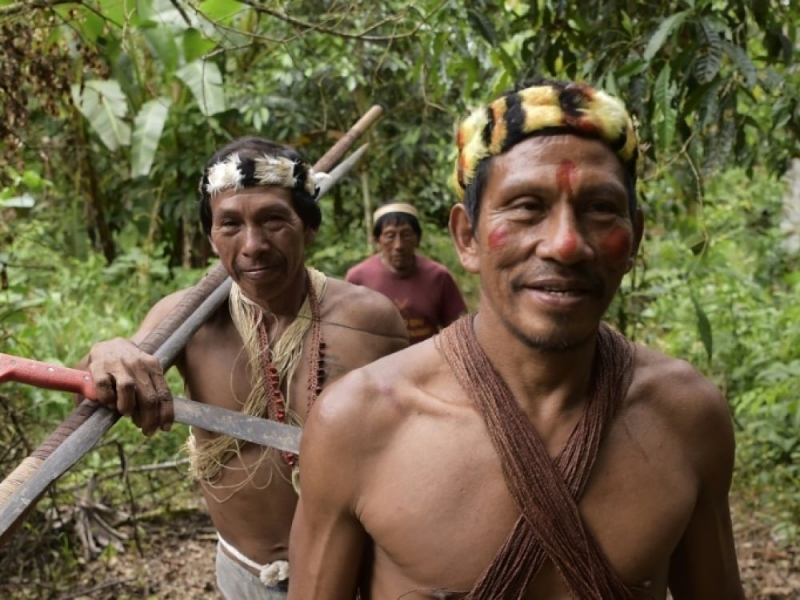
Эквадор ҳукумати тароменане ҳудудини ҳимоядаги ҳудуд деб эълон қилган. Кўпгина қабилалардан фарқли ўлароқ, тароменане катта гуруҳларда яшамайди ва ўзига хос тили минтақадаги бошқа қабилаларникидан фарқ қилади.
Тароменане қабиласи рақиби ҳуаорани
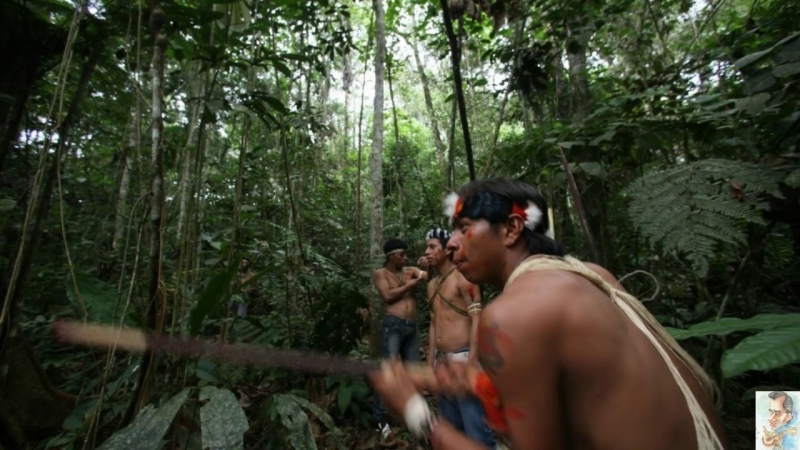
Тароменане рақиби бўлган тахминан 200 кишилик ҳуаорани халқи ҳам Эквадордаги зич ўрмонларда яшайди. Уларнинг баъзилари ташқи дунё билан алоқага киришган, бу эса тароменане билан тушунмовчиликларга олиб келган, аммо кўпчилиги анъанавий ҳаёт тарзини сақлаб қолмоқда.
Нефтчилар томонидан борлиги яширилган қабила – такана
2016 йилда Боливия Миллий нефть компанияси ҳали номаълум такана қабиласи билан бўлган алоқаларни яширгани ҳақида хабарлар тарқалди.
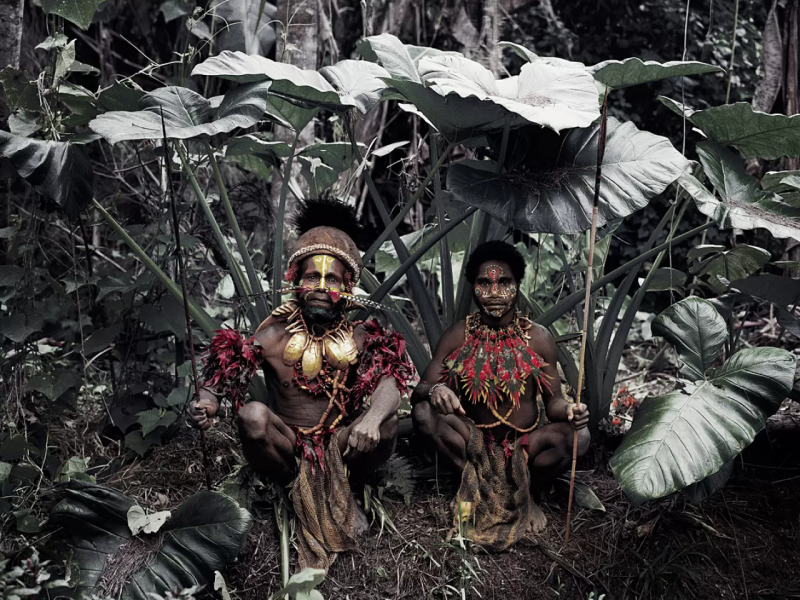
Жунгли ичкарисини ўрганаётган тадқиқотчилар қабила мавжудлигининг белгиларини топган, аммо нефть қазиб олишни давом эттириш ниятидаги бизнесменлар томонидан бу маълумотларни яширишга мажбурланган.
Бегоналарга тоқатсиз қабила – акре
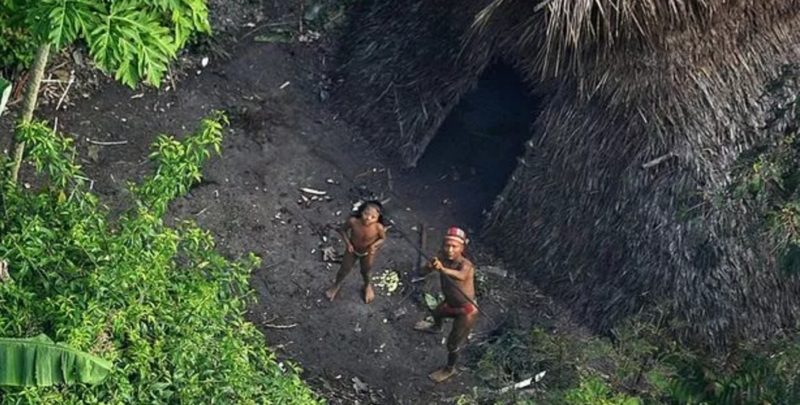
Бразилияда акре қабиласи бегона одамларга нисбатан душманлик кўрсатадиган қабила сифатида танилган. Шу сабабли улар ҳақида жуда кам тадқиқотлар ўтказилган. Бироқ, Бразилия ҳукумати ҳаёт белгилари бор-йўқлигини аниқлаш учун кўп бора ўрмон устида парвозлар ташкил қилади.
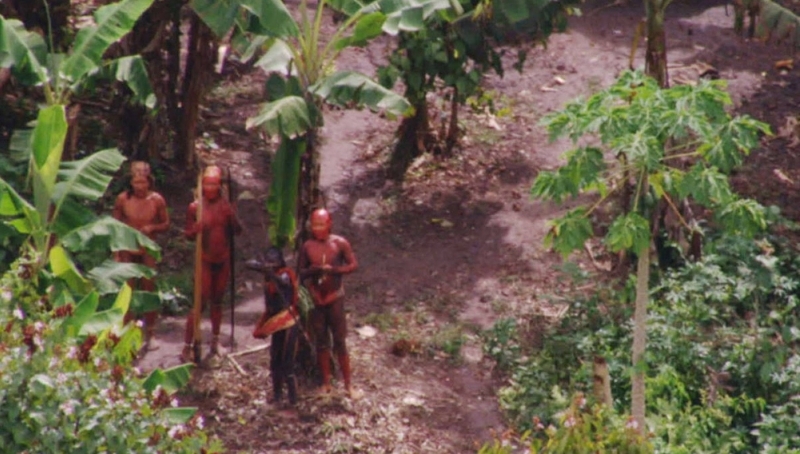
Бу қабила самолётларни ёмон кўради ва кўпинча кутилмаган меҳмонларга ўқ узади. 2007 йилда ўрмон устидан учиб ўтаётган самолёт ўққа тутилмагунича ҳудудда одамлар яшаши маълум эмасди. 2011 йилда эса сунъий йўлдош сканерлари орқали бу қабила топилди.
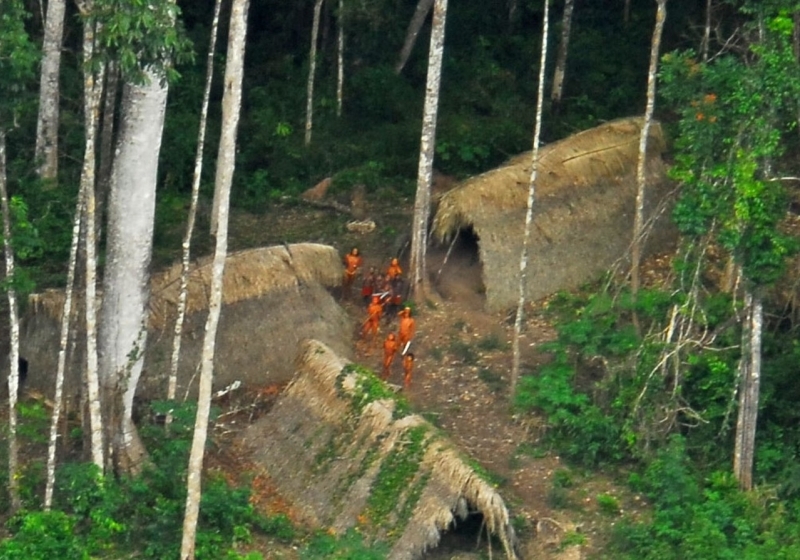
Улар Жанубий Америка каучук даври зўравонликларидан қочиб, қуллик ва ўлимдан қутулиш учун ўрмон ичкарисида янги жамоа ташкил қилган авлодлар бўлиши мумкин.
Ҳукуматнинг адолатсиз сиёсати остидаги Ғарбий Папуа қабилалари
Ердаги энг узоқ ва кириш қийин ўрмонлардан бири Янги Гвинея оролининг ғарбий ярми, яъни Индонезия бошқарувидаги Ғарбий Папуадир. У ерда 300 дан ортиқ хилма-хил қабила яшайди, уларнинг кўпчилиги ҳали ҳам ташқи дунёдан ё бехабар, ё хавотирли беркинишда.

Бу қабилалар Индонезия ҳукуматининг зўравонлиги ва ресурслар эксплуатацияси сабабли қийинчиликларга дуч келмоқда, мазкур омиллар қабилаларнинг ҳаёт тарзини бузмоқда.
Катта камон ва ўқлар билан қуролланган қабила – Массако қабилалари
Бразилиянинг Рондония штатида тахминан 300 нафар туб халқ Массако қабилалари аҳли яшайди. Улар жуда катта камон ва ўқ ишлатиши билан машҳур бўлиб, аждодларининг ерлари йўқ қилиниши оқибатида кичик ўрмон ҳудудларида жон сақламоқда.
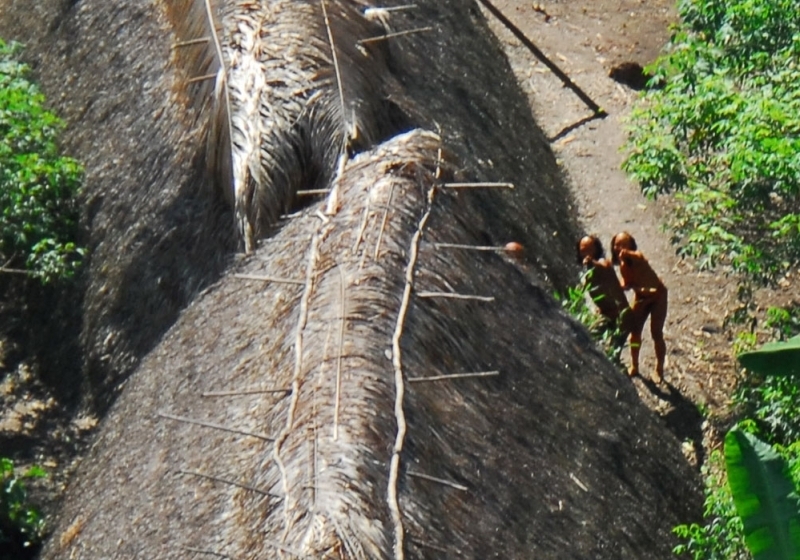
Тадқиқотчилар бўшаб қолган тошбақа тоши уюмларини топгач, бу жонзотлар қабилалар таомномасининг муҳим қисми деб тахмин қилинди.
Ташқи дунё таҳдидидаги қабила – какатоибо

Мутахассисларга кўра, какатоибо қабиласи Перуда мавжуд ташқи дунёдан узилган 15 қабиладан бири. Улар асосан дарё ҳавзаларига яқин ҳудудларда яшайди. Ҳукуматнинг уларни ҳимоя қилишга уринишларига қарамай, какатоибо қабиласи нефть ва газ конлари, ёғоч кесиш ва кон қазиб олиш фаолиятининг таҳдидига дуч келмоқда.
Уч нафар аъзоси қолган қабила – акунцу
Бразилиянинг ғарбий қисмидаги кичик Амазон қабиласи акунцунинг сўнгги уч аъзоси Рондония штатида яшайди. Қабила 1980 йилларда бразилиялик чорвадорларнинг қирғинига учраган.

Ҳукумат қабила ерларининг янада йўқ қилинишидан ҳимоя қилишга ҳаракат қилмоқда. Ҳозирда фақат уч аъзоси қолгани сабабли акунцу қабиласи тез орада йўқолиши мумкин.
"Чуқурдаги одам"
"Чуқурдаги одам" қирғиндан омон қолган сўнгги шахс бўлиб, Амазон ўрмони ҳудудида ёлғиз яшади. Ҳукумат бу одам учун кичик ҳимояланган ўрмон зонасини ажратди, у ҳеч ким билан алоқага киришишни истамади.
У ҳайвон овлаш учун чуқур ичига яшириниши сабабли “чуқурдаги одам” лақабини олган. Унинг қабиласи катта эҳтимол билан чорвачилар томонидан ўлдирилган. Қабиланинг сўнгги аъзоси 2022 йилнинг июль ойида вафот этди.
Ташқи дунё қабилалар ҳаётига хавф туғдирмоқда
Ташқи дунёдан узилиб яшовчи қабилалар ҳақида кўп маълумот мавжуд бўлмаса-да, дунё тарихи, маданияти ва хилма-хиллигида уларнинг ҳам муҳим ўрини бор. Бундай қабилалар овчилик, балиқ овлаш, йиғим-терим ва деҳқончилик каби анъанавий усуллар билан кун кечиради.
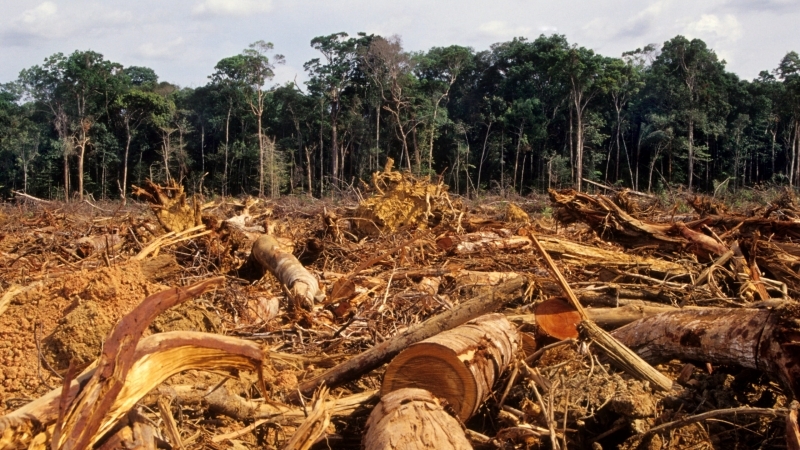
Улар ўз атроф-муҳитини яхши билиб, асбоб-ускуналар ясаш ва бошпана қуришда ўрмон ресурсларидан фойдаланади. Шунингдек, улар инстинктларига таянгани учун баъзан зўравонлик қилиши мумкин. Изоляция уларнинг ҳаёт тарзини сақлаб қолса-да, касаллик ва ташқи таҳдидлар қаршисида ожиз қолдирмоқда.
Уларнинг кўпчилиги замонавий ташқи дунё мавжудлигини билса-да, онгли равишда изоляцион ҳаётни танлайди. Қабилалар зўравонлик, эксплуатация каби сабаблар туфайли бегоналардан эҳтиёткор бўлишга интилади. Шуни ҳам таъкидлаш керакки, баъзи қабилалар ташқи дунё ҳақида умуман тасаввурга эга бўлмасликлари ҳам мумкин.

Live
All