Мирзиёев Алиев олдида – Midweek
Review
−
03 July 2025 9426 11 minutes
Екатеринбургда тазйиққа учраётган озарбайжонликларнинг алами Бакудаги руслардан олинди. Аммо Озарбайжон бу билан хуморидан тушгани йўқ. Расмий Баку ушбу воқеалар фонида Россиядан ўтган йилги самолёт ҳалокати учун товон тўлашни яна талаб қилди.
Президент Шавкат Мирзиёев 2 июль куни Озарбайжонга борди. Илҳом Алиев уни тантанали кутиб олди. Миллиард доллар миқдордаги келишувлар имзонланди.
Трамп маъмурияти Украинага ҳарбий ёрдамни тўхтатди. АҚШ қонунчилари ундан мазкур қарорнинг сабабини сўрамоқда.
USAID деган ташкилот энди деярли йўқ. АҚШ ушбу агентликнинг барча лойиҳаларини ёпди. Аммо келгуси бир неча йил ичида бу қарор миллионлаб инсонларнинг ҳаётига зомин бўлиши мумкинлиги айтилмоқда.
Ғазода яна суғур куни. Трамп олдинроқ Исроил 60 кунлик сулҳга рози бўлганини эълон қилганига қарамай, яҳудий давлати ўша сулҳгача сектордаги қирғинни максимал даражада амалга оширмоқда.
Шундай қилиб, жорий ҳафта ўртасига қадар дунёда рўй берган муҳим воқеа-ҳодисалар тафсилоти билан QALAMPIR.UZ'нинг Midweek дастури.
Озарбайжон Россиядан товон талаб қилди
Озарбайжон Россия билан куч тилида қатъият билан гаплашишда давом этмоқда. Икки давлат бир-бирининг элчиларини Ташқи ишлар вазирлигига чақириб норозилик нотаси берди. Бу кетишда элчилар вазирликларга бозчининг моккисидай қатнайди. Зиддиятнинг энг жиддий кўриниши эса диаспора ва муҳожирларни қамаш ҳамда уларга айблов эълон қилишда намоён бўлмоқда. Россия Тергов қўмитаси Екатеринбургда 27 июн куни ўтказилган рейд доирасида ҳибсга олинган шахслар – қатор шахсларга расмий айблов қўйилганини эълон қилди. Терговчилар уларни Екатеринбургда 2001 йилда Юнус Пашаевни ўлдириш, 2010 йилда Феҳруз Шириновга суиқасд қилиш ва 2011 йилда Икрам Гаджиевни ўлдириш каби оғир жиноятларда айбламоқда. Ушбу жиноятлар сабаби бизнесдаги таъсир доираларини бўлишиш ва шахсий адоват билан изоҳланган. Уларнинг беш нафарига олдиндан тил бириктириб, буюртма асосида одам ўлдириш ва суиқасд моддалари бўйича айблов қўйилган. Барча гумонланувчилар Россия фуқаролари бўлиб, улардан бири жиноят жойида кўрсатма бериб, шерикларини фош қилган. Аммо мазкур иддаолар фонида маълумот ўрнида муҳим бир жиҳатни ҳам такидлаб ўтиш жоиз. Гап шундаки, 1 июльъ куни Озарбайжон диаспораси раҳбари Шаҳин Шихлинский қўлга олинганда, унинг ўғли Мутвала отаси Россия ҳуқуқ-тартибот органлари томонидан ўлдирилган ака-ука Сафаровларга қарши кўрсатма бериш учун ушланганини маълум қилганди. Шунинг учун асли озарбайжонлик бўлган айбланувчиларни фош қилиш жараёнидаги кўрсатмаларнинг тўғрилигига ҳам шубҳа қилиш мумкин.
Бу томонда эса Озарбайжон полицияси томонидан руслар наркотик савдосида қўлга олиниб, сўнг машинага ортиш жараёни Россиянинг ОМОН куч ишлатар тузилмаси томонидан Марказий Осиёлик мигрантларга нисбатан қилинадиган таҳқирли ҳаракатлар каби амалга оширилгани ҳафтанинг энг шов-шувли воқеаларидан бири бўлди. Боз устига, Россия Ташқи ишлар вазирлигининг Бакуда қўлга олинган “Спутник Озарбайжон” ходимларини қўйиб юбориш талабига аксинча жавоб берилди. Улар яна 4 ой ҳибсда сақланиши мумкин. Шунингдек, ҳозирча энг сўнгги муҳим хабарлардан яна бири Озарбайжон Ташқи ишлар вазирлиги Россия элчиси Михаил Евдокимовни чақириб, Россия томонининг икки давлат муносабатларига путур етказаётган нодўстона хатти-ҳаракатлари юзасидан россиялик дипломатга норозилик билдирганидир. Бу Россия элчихонаси вакилларининг 3 кун ичида иккинчи бор чақиртирилиши бўлди. Олдин Россия элчисининг муваққат ишлар бўйича вакили, бу сафар эса элчининг шахсан ўзи чақиртирилиб, Россия томонига норозилик нотаси билдирилди. Норозиликнинг асосий омилларидан бири Сафаровлар ўлими сабаблари Россия томонидан нотоғри кўрсатилгани бўлган. Россиянинг содир бўлган воқеа юзасидан берилган тушунтириши эксперт хулосаси ва марҳумларнинг жасадларида зўравонлик излари борлигига зид келиши айтилган. Буни ўтган дастурларимизда ҳам маълум қилгандик.
Шунингдек, Екатеринбургдаги рейдлар муносабати билан Россия оммавий ахборот воситаларида этник муросасизлик кўринишлари кузатилаётгани, озарбайжонликларга нисбатан “этник жиноий гуруҳ” каби ибораларнинг қўлланишига йўл қўйиб бўлмаслиги таъкидланган. Озарбайжон ТИВ Россия томонининг “Спутник Озарбайжон” ваколатхонасидаги текширувларга оид хабарлари асоссизлиги ва ҳозирда тергов ҳаракатлари олиб борилаётганини қўшимча қилган. Озарбайжон Ташқи ишлар вазирлиги ўтган йилнинг охирида Россия ҳаво ҳудудида уриб туширилган “Озарбайжон ҳаво йўллари” авиакомпаниясига тегишли самолёт билан содир бўлган воқеадан сўнг Россия расмийлари ва оммавий ахборот воситалари орқали Озарбайжонга қарши амалга оширилган дезинформацион компанияни танқид қилди. Буни ҳал қилиш учун зарур қадамлар қўйилмагани ва ҳақиқий вазиятни бузиб кўрсатишга уринишлар ҳам қабул қилиниши мумкин эмаслигини ҳам таъкидлади. Зарур қадамлар дейилганда эса ушбу жиноят юзасидан тўлиқ ва ошкора тергов олиб бориш ва жабрланганларга товон пули тўлаш назарда тутилган.
Шавкат Мирзиёев Озарбайжонга борди
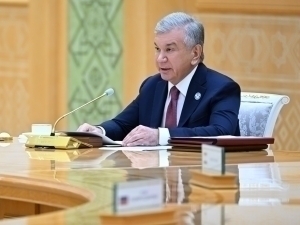
Ўзбекистон Республикаси Президенти Шавкат Мирзиёев бугун, 2 июль куни Озарбайжон Республикаси Президенти Илҳом Алиевнинг таклифига биноан давлат ташрифи билан Баку шаҳрига етиб борди. Пойтахтдаги Ҳайдар Алиев номидаги аэропортда давлат раҳбарини Озарбайжон Бош вазирининг биринчи ўринбосари Яқуб Аюбов ва бошқа расмий шахслар кутиб олди. Бакудаги “Загулба” қароргоҳида Шавкат Мирзиёевни расмий кутиб олиш маросими бўлди. Олий мартабали меҳмонни Озарбайжон Республикаси Президенти Илҳом Алиев самимий қарши олди. Биргаликда суратга тушишганидан сўнг Ўзбекистон ва Озарбайжон Президентлари тор доирадаги учрашув, сўнг Олий давлатлараро кенгашнинг иккинчи йиғилишини ўтказди. Қайд этилишича, Ўзбекистон-Озарбайжон дўстлик, стратегик шериклик ва иттифоқчилик муносабатларини янада мустаҳкамлаш, ҳамкорликнинг устувор йўналишларида кооперация ва алмашинувларни кенгайтириш масалалари кўриб чиқилган. Билдирилишича, иқтисодий кооперация йилида товар айирбошлаш ҳажми 25 фоизга ошган. Лойиҳалар портфели 4 миллиард долларга етган. Айни пайтда 300 га яқин қўшма корхона фаолият кўрсатмоқда. Президенти Шавкат Мирзиёев Озарбайжон ва Ўзбекистон муносабатлари тарихда ҳеч қачон бугунгидек юксак даражада бўлмаганини эътироф этган.
Давлат раҳбарлари ҳузурида қатор икки томонлама ҳужжатлар алмашилди. Булар Иттифоқчилик муносабатлари тўғрисидаги шартномани 2025-2029 йилларда амалга ошириш бўйича “йўл харитаси”, фан, касб-ҳунар ва олий таълим соҳаларида ҳамкорлик тўғрисида ҳукуматлараро битим, 2025-2026 йилларга мўлжалланган саноат кооперацияси дастури, 2030 йилга қадар товар айирбошлашни 1 миллиард долларга етказиш дастури ҳамда Тошкент вилояти ва Сумгаит шаҳри, Навоий ва Габала шаҳарлари ўртасида биродарлик муносабатларини ўрнатиш тўғрисидаги келишувлардир. Президент Шавкат Мирзиёевнинг Озарбайжонга давлат ташрифи доирасида Ўзбекистоннинг Баку шаҳридаги элчихонаси янги биносининг очилиш маросими бўлиб ўтди. Икки етакчи рамзий тасмани кесиб, дипломатик ваколатхонанинг янги биносини тантанали равишда очиб берди. Қизиғи шундаки, элчихона заллари Ўзбекистон ҳудудлари номи билан аталган. Президент Шавкат Мирзиёев эса икки халқ ўртасидаги дўстлик ва ҳамжиҳатлик рамзи сифатида заллардан бирига Қорабоғ номини беришни таклиф қилган. Ўзбекистон Президентининг Озарбайжонга ташрифи эса 3 июль куни Қорабоғда давом эттириши, Хонкендидаги қўшма тикувчилик фабрикаси ва Ағдам шаҳридаги “Иморат” номли тарихий-меъморий мажмуаси билан танишиши билан давом этди. Шунингдек, Ўзбекистон Президенти 4 июль куни Хонкенди шаҳрида Иқтисодий ҳамкорлик ташкилотининг 17-саммитида иштирок этади ва қатор икки томонлама учрашувлар ўтказади. Қирғизистон Президенти Садир Жапаров бугун, 3 июль куни Озарбайжонга икки кунлик расмий давлат ташрифи билан боради. Жапаров ташрифининг асосий сабаби эса Озарбайжоннинг Хонкенди шаҳрида бўлиб ўтадиган Иқтисодий Ҳамкорлик Ташкилотининг 17-саммитидидир. Бир кун олдин эса Жапаров Москвада Россия Президенти Владимир Путин ҳузурида бўлиб, Қирғизистонда рус тилига алоҳида мақом берилгани учун раҳмат эшитиб қайтганди.
АҚШ Украинага ёрдамни тўхтатди
Яқинда бўлиб ўтган НАТО саммитидан сўнг, алянс Бош котиби Марк Рютте НАТО шу Қўшма Штатлар ҳам Украинани Россия босқинига қарши курашда тўлиқ қўллаб-қувватлаш ва уни сақлаб қолишга “мутлақо содиқ” эканини айтганди. У НАТОда ҳеч ким Россияга нисбатан соддадил эмаслигини ва алянснинг барча аъзолари Москвага нисбатан “бир хил баҳо беришини” билдирган. Аммо орадан кўп ўтмай, АҚШ шу ишнинг бутунлай тескарисини амалга оширди. Пентагон мамлакат Қуролли кучлари захиралари билан боғлиқ хавотирлар туфайли Украинага ракета ва ўқ-дорилар партиясини юборишни тўхтатгани ҳақида хабарлар чиқди. NBC News телеканали маълумотига кўра, Пентагон раҳбари Пит Ҳегсет бир неча ҳафта аввал АҚШ Қуролли кучлари ўқ-дорилари захирасини текшириш бўйича меморандум эълон қилганидан сўнг, Украинага мўлжалланган қурол партиясини юборишни тўхтатиш бўйича буйруқ берган. Хабарда айтилишича, Украина ва Яқин Шарқдаги можаролар фонида АҚШ армиясининг ўқ-дорилар захираси сезиларли даражада камайган. Мудофаа вазирлигининг икки расмийси ва Конгрессдаги икки вакилга кўра, баҳолаш якунига етгунича ўқ-дорилар ва бошқа қуроллар етказиб берилиши вақтинча тўхтатилади. Агар захираларда жиддий танқислик аниқланса, етказиб бериш муддати кейинга сурилиши мумкин. Пентагондаги манбалар NBC News'га Украинага юборилиши тўхтатилган қуроллар рўйхатини тақдим этган. Улар орасида ҳаво ҳужумидан мудофаа тизимлари ва фронт учун мўлжалланган воситалар бор. Жумладан:
- Patriot тизимлари учун ракеталар;
- 155 мм ўқ-дорилар (портловчи-фугасли снарядлар);
- 100 та Hellfire ракетаси;
- 250 та юқори аниқликдаги GMLRS ракеталари;
- ўнлаб ер-ҳаво классидаги Stinger ракеталари, ҳаво-ҳаво типидаги ракеталар ва гранатомётлар Украинага юборилиши чекланган қуроллардир.
АҚШ Конгрессида Президент Дональд Трампдан Украинага ҳарбий ёрдамнинг тўхтатилиши бўйича зудлик билан тушунтириш бериш талаб қилинди. Бу масалада Республикачи конгрессмен Браян Фицпатрик АҚШ Президенти номига расмий хат юборди ва буни ўзининг Х ижтимоий тармоғидаги саҳифасида маълум қилди.
“Мен Оқ уй ва Мудофаа департаментидан шошилинч брифинг ўтказишни расман сўрадим. Бу орқали мавжуд хабарлар аниқлаштирилади, АҚШнинг ҳозирги қурол ва ўқ-дорилар захираси таҳлил қилинади ҳамда мамлакатимиз Украинани қўллаб-қувватлашга содиқлигини сақлаб қолаётгани тасдиқланади”, деб ёзди у.
Фицпатрик Украинага қурол етказиб беришнинг вақтинча тўхтатилишидан жиддий хавотирда эканлигини билдирган. Унга кўра, бу қарор уруш бошланганидан бери Россиянинг энг йирик ҳаво ҳужумлари фонида қабул қилинган. Конгрессмен украиналиклар ўз юртини мардонавор ҳимоя қилаётганини ҳам алоҳида такидлаб ўтган.
USAID энди йўқ
Эсингизда бўлса, АҚШ Давлат департаменти жорий йил март ойининг охирида USAID 2025 йил 1 июльдан бошлаб тугатилиши ҳақида Конгрессга расмий билдиришнома юборган эди. Мана, жорий ҳафта 1 июль куни Трамп маъмурияти АҚШ Халқаро тараққиёт агентлиги (USAID) расмий равишда ёпилганини эълон қилди. Давлат котиби Марко Рубиога кўра, бу қарор агентлик фаолиятининг самарасизлиги ва амалдаги Президент Доналд Трамп маъмуриятининг устувор йўналишлари фақат миллий манфаатларга йўналтирилгани билан изоҳлаган. Рубионинг баёнотига кўра, Трамп маъмурияти USAID’нинг минглаб дастурларига ажратилган маблағларни таҳлил қилган ва агентлик мавжуд бўлган ўн йилликлар давомида инфляцияни ҳисобга олган ҳолда 715 миллиард доллардан ортиқ маблағ сарфлагани аниқланган. Рубиога кўра, шунча маблағ гўёки ҳавога учган, чунки қўйилган мақсадларга эришилмаган. Шунингдек, Рубио USAID орқали энг кўп ёрдам олган мамлакатларни АҚШ билан ўзаро ҳамкорликдан бош тортганликда айблаган. Унга кўра, 1991 йилдан бери 165 миллиард доллар олган Саҳрои Кабирдан жанубда жойлашган Африка давлатлари БМТда АҚШ учун муҳим бўлган резолюциялар бўйича атиги 29 фоиз ҳолатда Қўшма Штатларни қўллаб-қувватлаган.
Рубионинг сўзларига кўра, USAID’нинг айрим функциялари энди АҚШ Давлат департаментига ўтказилади. Департамент бу вазифаларни “кўпроқ жавобгарлик, стратегия ва самарадорлик билан” бажара бошлайди. Янги модел “ёрдам ўрнига савдо” тамойилига асосланади. Чунки Рубио ривожланаётган мамлакатлар ўн йиллаб давом этадиган ҳомийликни эмас, балки ўзининг ўсишига туртки бўладиган сармояларни афзал кўради, деб ҳисобламоқда. Унга кўра, келгусидаги ёрдам мақсадли ва муддатли бўлади. АҚШ энди ресурсларни ўзига ёрдам беришга қобилияти ва истаги бор мамлакатларга, ҳамда кўп йўналишда фойда келтирувчи соҳаларга йўналтирмоқчилигини маълум қилди. Шундай қилиб, жорий йил Илон Маск ҳали Оқ уйдан қувилмаганда у томонидан “USAID жиноий ташкилот” деб ёзилган Хдаги постдан кейин бошланган иш якунланди. Давлат самарадорлиги департаменти (DOGE) USAID ходимларига юборган хабарда қонун билан мустаҳкамланмаган барча лавозимлар тугатилиши, агентлик ходимларига эса июль-сентябрь ойларида истеъфога чиқиш таклифи юборилган. Аслида эса Трамп Президентлик лавозимига киришган куннинг ўзидаёқ мазкур агентликни нишонга олганди. У жорий йил 20 январда USAID орқали хорижий мамлакатларга кўрсатилаётган ёрдамни 90 кун муддатга музлатиб қўйганди. Аммо ўшанда ташкилотни тугатиш ҳақида ҳеч қандай гап-сўз бўлмаган. Бу вақт мобайнида шунчаки агентлик дастурларининг “Америка қадриятлари” ва АҚШ ташқи сиёсатига мувофиқлиги текширилган. Энди эса улар USAID’ни тугатишди. Узоқ йиллар давомида халқаро миқёсда дунёдаги энг йирик ёрдам ташкилотларидан бири бўлган USAID’нинг тугатилиши ер юзида жуда ёмон оқибатларга олиб келиши мумкинлиги тахмин қилинмоқда. Жумладан, бу қарор 2030 йилгача дунё бўйлаб 14 миллион кишининг ҳаётига зомин бўлиши мумкин.
Исроил Ғазода 60 кунлик оташкесимга рози бўлди – Трамп
АҚШ Президенти Дональд Трамп Қўшма Штатлар вакиллари Исроил билан Ғазо секторида 60 кунлик ўт очишни тўхтатиш бўйича шартларни келишиб олганини маълум қилди.
“Исроил 60 кунлик ўт очишни тўхтатиши учун зарур бўлган шартларга рози бўлди. Шу вақт ичида биз барча томонлар билан урушни тугатиш йўлида ишлаймиз. Қатарликлар ва мисрликлар – тинчлик ўрнатиш йўлида жуда кўп ҳаракат қилган давлатлар бу якуний таклифни тақдим этади”, деб ёзди Трамп.
У, шунингдек, “Яқин Шарқ манфаати йўлида” ҲАМАС ушбу битимни қабул қилишига умид билдирган.
“Негаки, бундан яхшироғи бўлмайди, фақат ёмонлашади”, дейди у.
Исроилнинг сўнги ҳужумларида 39 ғазолик ҳалок бўлди
Кеча, 2 июль куни эрталаб Исроил армиясининг Ғазо секторининг турли ҳудудларига уюштирган ҳаво ҳужумлари оқибатида 39 фаластинлик ҳалок бўлди.
Асосий ҳужумлар тинч аҳоли ва кўчирилган фуқаролар тўпланган жойларга қаратилган. Тиббий манбалар ва гувоҳларнинг хабарига кўра, Ғазонинг жанубидаги Хон-Юнус шаҳрида жойлашган Ал-Меваси туманида Исроил қўшинлари бир уйни нишонга олиб, икки кишининг ўлимига сабаб бўлган.
Хон-Юнусда кўчирилган фаластинликларга тегишли учта чодир бомбардимон қилиниши оқибатида 12 киши ҳалок бўлган.
Бундан ташқари, шаҳарнинг марказий қисмидаги яна бир ҳужумда уч киши ҳалок бўлган, яна икки кишининг жасади шаҳарнинг бошқа ҳудудларида вайроналар остидан топилган.
Ғазо секторининг марказий қисмида жойлашган Салоҳоддин проспектида Исроил қўшинлари ёрдам пунктларига йўл олган фаластинликларга қарата ўт очган. Бу ҳужумда 10 киши ҳалок бўлган, 50 дан ортиқ киши жароҳат олган.
Дейр ал-Балаҳ шаҳрида уюштирилган ҳужумда 5 фаластинлик ҳалок бўлган.
Рафаҳ шаҳрида эса гуманитар ёрдам олиш учун йиғилган одамлар устига бомба ташланган. Бу ҳужумда ҳам 5 киши ҳалок бўлган.
Live
All