“Инфаркт”дан кейин юракни тиклаш усули топилди
Interesting
−
04 August 2025 12094 2 minutes
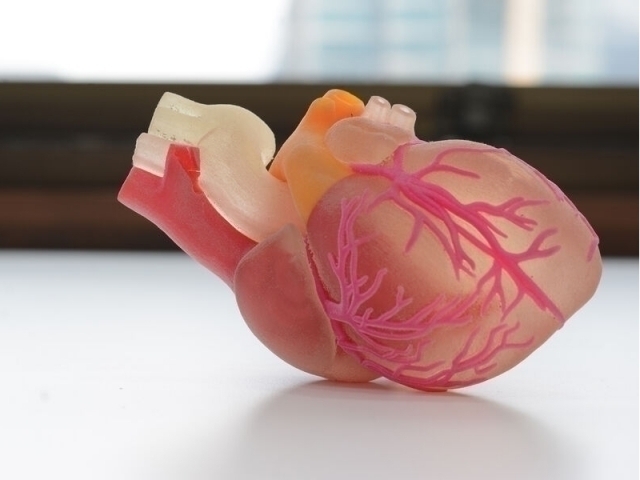
Льюис Кац номидаги тиббиёт мактаби олимлари юрак хуружидан кейин юрак тўқималарини қайта тиклашнинг янги усулини аниқлади. Тадқиқот натижалари “Theranostics” журналида эълон қилинди.
Нашрга кўра, олимлар PSAT1 генини фаоллаштириш юрак тўқималарининг регенерациясини бошлашини аниқлаган. PSAT1 гени ҳомиладорлик даврида ҳужайра ўсишида фаол иштирок этади, бироқ катталарда у деярли ишламайди. Тадқиқотчилар ушбу генни ўз ичига олган модификацияланган матрицали RNK (modRNA) яратиб, уни инфарктдан кейин дарҳол сичқонларнинг юрак тўқималарига киритган. Натижада юрак мушак ҳужайраларининг бўлиниши фаоллашган, чандиқ тўқималар камайган ва янги қон томирлари пайдо бўлган. Буларнинг барчаси ҳайвонларда юрак фаолиятининг сезиларли даражада яхшиланишига олиб келган.
Олимларнинг тушунтиришича, PSAT1 серин аминокислотасининг синтезини ишга туширади. Серин ҳужайраларни стрессдан ҳимоя қилиш ва DNK’ни тиклашда муҳим роль ўйнайди. Бу жараёнда асосий ролни YAP1 оқсили ўйнайди – у регенерация жараёнларини бошлаш қобилияти билан машҳур. Агар бу оқсил бўлмаса, PSAT1 нинг таъсири йўқолади.
Ушбу тадқиқотда қўлланилган технология – modRNA илгари COVID-19 га қарши mRNK-вакциналарни ишлаб чиқишда ҳам ишлатилган. Олимларнинг айтишича, бу усул генетик материални DNK’ни ўзгартирмаган ҳолда ҳужайраларга етказишга имкон беради, бу эса хавфларни камайтиради.
Тадқиқотчиларнинг фикрича, бу ёндашув юрак етишмовчилиги терапиясининг янги усулларига асос бўлиши мумкин. Бундай усуллар ёрдамида юрак фақат қўллаб-қувватланмайди, балки ҳақиқатан ҳам қайта тикланади.
Эслатиб ўтамиз, аввалроқ Ҳиндистоннинг Карнатака штати Колар туманидан бўлган аёлда дунё бўйича илгари номаълум бўлган қон гуруҳи антигени топилганди.

Live
AllJizzaxda 10 yoshli qiz zo'rlandi
06 October