Фақат одамлар эмас: энг ақлли 8 та ҳайвон
Interesting
−
24 April 2025 12258 5 minutes

Шубҳасиз, инсоният Ердаги энг ақлли тирик мавжудотдир. Шунингдек, бошқа турларда ҳам кўникма ва инстинктлардан ташқари, ҳолатдан келиб чиқиб фикрлаш ва ҳаракат қилишга ундовчи ақл мавжуд бўлиши мумкин. Айниқса, ижтимоий тармоқларда уй юмушларини бажараётган, эгасига тақлид қилаётган ва ғайритабиий ҳаракатларни амалга ошираётган жонзотларга кўпинча дуч келмоқдамиз. Хўш, ўзи ҳайвонларнинг ақл даражаси қандай бўлади? Улар фақат ўргатилганини такрорлайдими ёки мустақил қарор ҳам қабул қиладими? Мақолада олимларнинг бу борада ўтказган тадқиқотлари ва “ақлли деб топилган” жонзотлар ҳақида сўз боради.
Шимпанзе
 Инсон ДНКсига 98 фоиз ўхшаш ДНКга эга шимпанзе ҳайвонот оламидаги энг ақлли жонзотлардан бири ҳисобланади.
1960 йилда шимпанзе биринчи бўлиб асбоб-ускуналардан фойдаланган ҳайвон сифатида ҳужжатлаштирилган. Кейинги тадқиқотлар шимпанзеларда мураккаб ижтимоий ҳаёт, инсонникига ўхшаш ҳис-туйғулар ва “фикрлаш” қобилияти – метакогниция мавжудлигини аниқлади.
2014 йилда “Nature” журналида чоп этилган тадқиқотга кўра, айрим хотира ва ақл ўйинларида шимпанзелар ҳатто одамлардан устун эканлиги аниқланган.
Уошо исмли шимпанзе ишоралар ёрдамида инглиз тилини ўрганишга муваффақ бўлган ва 2007 йилда вафот этгунига қадар 350 та ишорани тушунган.
Дельфин
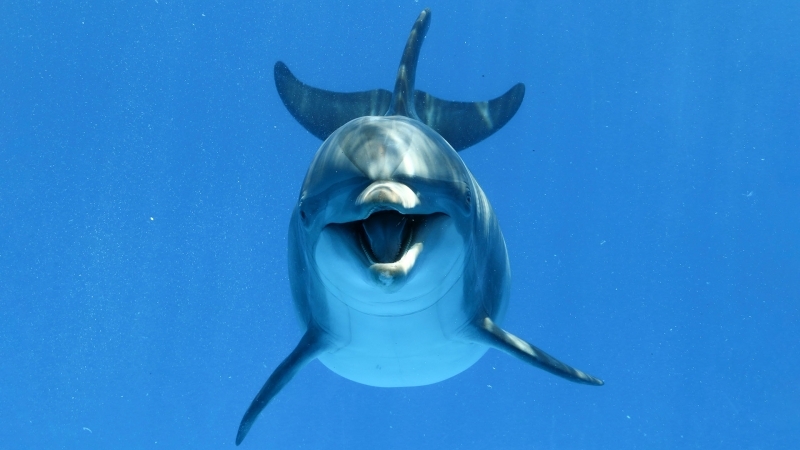
Ушбу денгиз жониворлари шу даражада ақллики, кўпчилик дельфинни энг ақлли жонзот деб ҳисоблайди. Бу сув сутемизувчилари мураккаб ижтимоий ҳаётга эга, мавҳум тушунчаларни тушунади, асбоблар ишлатади, муаммоларни ҳал қилади, мураккаб ҳиссиётларга эга. Тадқиқотлар баъзи дельфин турлари ўзини ойнада таниб олиши ва метакогницияга эга бўлиши мумкинлигини кўрсатади.
Улар ҳам худди итлар каби инсон буйруқларини бажариши мумкин. 2013 йилда олимлар дельфинлар бир-бирини муайян товуш билан чақиришини аниқлаб, бу уларнинг исмлари бўлиши мумкинлигини таъкидлаган. Маълумотларга кўра, улар бу номларни камида 20 йилгача эслаб қолади.
Бонобо

Шимпанзенинг қариндоши бўлган боноболар ҳам ниҳоятда ақл-заковатга эга. Баъзи тадқиқотчилар уларни шимпанзе ва орангутанлар билан бирга, “тафаккур назарияси” деб аталувчи когнитив қобилиятга эга деб ҳисоблайди. Тадқиқотлар бонобо ва шимпанзелар таниш юзларни 26 йилдан ортиқ вақт ўтган бўлса ҳам эслаб қолишини кўрсатган.
Шимпанзе ва одамлардан фарқли ўлароқ, боноболарда бир-бирини ўлдириш ҳолатлари кузатилмаган. Эркак боноболар тез-тез жанжаллашади, лекин бу жанглар бошқа катта маймунлар орасидагига қараганда анча юмшоқ ўтади.
Кашалот

Кашалот бугунги кунда Ер юзидаги энг катта мияга эга ҳайвондир: 7-9 килограмм. Кашалотлар оилавий гуруҳларда яшайди ва ҳар бир гуруҳ ўзига хос маданиятга эга. Улар ўзаро “кода” деб аталадиган товуш тизими орқали мулоқот қилади. Ҳар бир гуруҳ кодаси бошқасидан фарқ қилади, бу ҳолат инсон тилидаги шевага ўхшайди.
Бундан ташқари, кашалотлар бир-биридан ўрганишда жуда моҳир. Тадқиқотлар XIX асрда овчилар томонидан фаол нишонга олинган бу жонзотларнинг бир-бирига қочишни ўргатганини кўрсатади.
Кабутар

Кабутарлар санашни билади, сўзларни таниб олади, хотираси кучли ва кўриш қобилияти жуда яхши. Улар ҳар хил объект турларини ажрата олади. 2015 йилда олимлар кабутарларга 128 та расмни 16 тоифага ажратишни ўргатган. Кейинчалик янги расмлар тақдим этилганида, кабутарлар тўғри таснифлашда давом этган. Улар ҳатто ўзини ойнада таниб олишга қодир.
1995 йилдаги ғайриоддий тадқиқотда олимлар кабутарларга Монет ва Пикассо каби рассомлар асарларини ажратишни ўргатган. Машғулотлардан сўнг, янги асар кўрсатилганида, кабутар уни қайси рассомга тегишли эканини аниқлай олган. Кейинчалик улар Сезанне ва Ренуар, Матиссе асарларини ҳам ажратишни ўрганган.
Фил
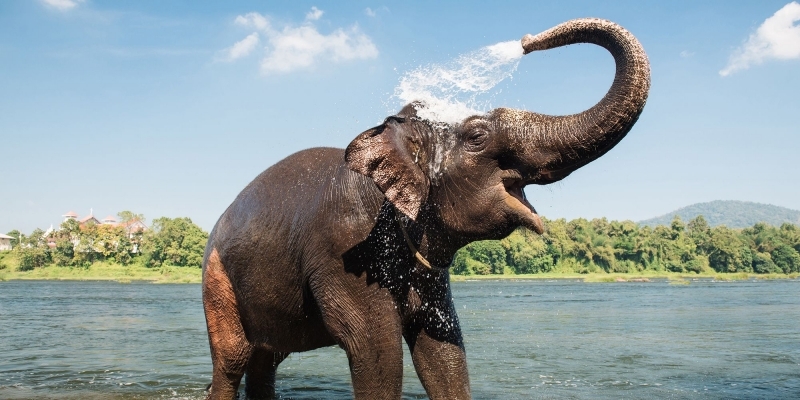
Қуруқликдаги ҳайвонлар орасида энг катта мияга эгалик қилувчи бу улкан жонзотлар ажойиб хотира, юқори ижтимоий ақл, муаммо ечиш қобилияти ва мураккаб ҳиссиётларга эга.
Улар мустаҳкам оилавий гуруҳларда яшайди ва бир-бирларига ёрдам бериши, қайғуриши, ўлган яқинларига мотам тутиши кузатилади. Филлар асбоблардан фойдалана олади, вазифаларни бажаради ва ҳатто ўз таналари муаммони ечишга тўсқинлик қилаётганини тушунади.
Сичқон

Касаллик тарқатувчи сифатида тез-тез тилга олинадиган сичқонлар аслида тоза ва ақлли жонзотлар ҳисобланади. 2020 йилда доктор Женнифер Граҳам сичқонлар мушукка қараганда тез-тез ўзини тозалашини маълум қилди.
Улар фокусларни ўрганиши, муаммоларни ечиши, эмпатия кўрсатиши, дўстларини қутқариши ва ҳатто тасаввур қилиш қобилиятига эга бўлиши мумкин. 2014 йилда сичқонларнинг ўрганиш ва идрок қобилияти бўйича ўтказилган тадқиқотда аниқланишича, улар баъзан инсонлардан ҳам устунроқ натижа кўрсатган, айниқса “билвосита тоифавий умумлаштириш” (ўрганган намуналарни янги маълумотларга татбиқ қилиш) соҳасида.
Орангутан
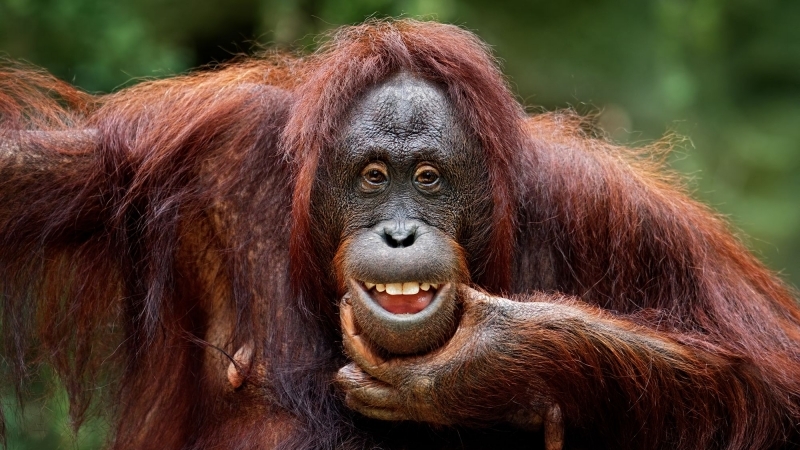
Барча катта маймунлар ривожланган ақлга эга ва орангутанлар ҳам бундан мустасно эмас. Улар ажойиб даражадаги ўрганувчилардир. Масалан, Чантек исмли орангутан ишора тилини ўрганишга муваффақ бўлган илк маймунлардан бири бўлган, у ҳатто ўзи янги ишоралар ҳам яратган. Чантек антрополог томонидан тарбияланган, хона тозалаш, ҳожатхонадан фойдаланиш, ўйин ўйнаш ва расм чизишни ўрганиб олган.
2018 йилда “Science” журналида эълон қилинган тадқиқот орангутанлар “кечиктирилган мурожаат” қобилиятига эга эканини таъкидлаган, бу ҳозир содир бўлмаётган нарсалар ҳақида гапира олиш қобилиятидир. Тадқиқотчилар йўлбарс сифатида ниқобланиб орангутан она ва болалар ёнига кирган. Натижада, орангутан оналари йиртқични кўриб, болаларини хавфсиз жойга олиб кетган, аммо хавф йўқолганидан кейин огоҳлантирувчи товуш чиқарган.
“Ўша пайтда йиртқич модель олиб ташланган бўлса-да, орангутан урғочилари барибир сигнал берган”, деб ёзади олимлар.
Уларнинг тахминича, орангутанлар болаларига “улар хавф остида бўлганини” тушунтирган.
“Ҳаракатни вақт ва макон жиҳатидан кечиктириш – бу мураккаб когнитив ишлов ва умумий ақл белгиси”, дейди тадқиқотчилар.

Live
All26 October
26 October