Араб-ислом саммити: Кўрфаз қўшма мудофаани ишга туширади
Review
−
16 September 2025 14375 7 minutes
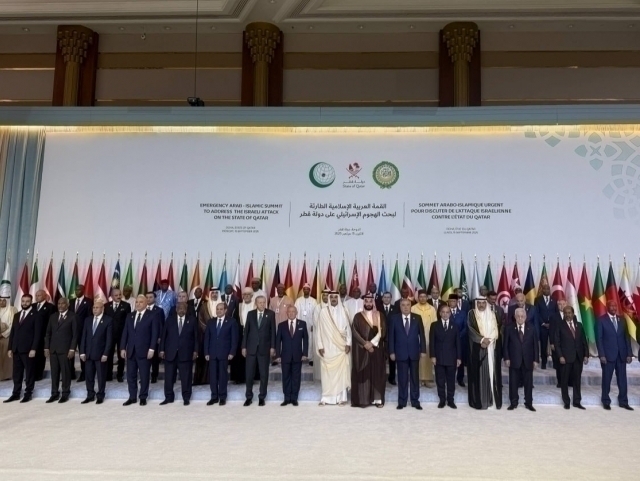
Кеча, 15 сентябрь куни Доҳада бўлиб ўтган араб ва ислом давлатлари раҳбарларининг фавқулодда саммити иштирокчилари Исроилнинг Қатар пойтахтида ҲАМАС раҳбарларига қаратилган “қўрқоқона” ҳужумини қоралади, аммо улар аниқ чоралар тўғрисида ваъда бермади. Форс кўрфази ҳамкорлик кенгашининг “қўшма мудофаа механизмни ишга тушириш” ваъдаси саммитдаги энг амалий натижа бўлди.
Саммитни Қатар Амири шайх Тамим бин Ҳамад Ол Соний очди ва Исроилнинг бомбардимонини “очиқдан-очиқ, хиёнаткор ва қўрқоқ” деб атади.
“Менинг мамлакaтим пойтахти хиёнаткорона ҳужумга учради. У ерда ҲАМАС раҳбарларининг оилалари ва музокарачи делегацияси жойлашган уй нишонга олинди”, деди Шайх Тамим.
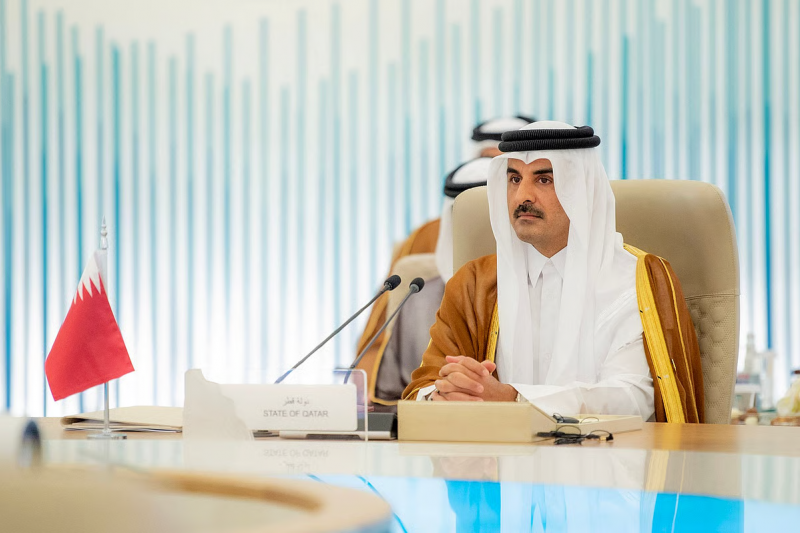
Унинг таъкидлашича, делегация ўша пайтда АҚШ қўллаб-қувватлаган Ғазо бўйича оташкесим таклифини муҳокама қилаётган эди. Шайх Тамим Исроил ҳукуматини “қудрат, такаббурлик ва қонхўрликка шайдолик”да айблаб, унга қарши аниқ чоралар кўришга чақирди. Унга кўра, воситачиларга ҳужум Исроилнинг тинчликка ҳақиқий қизиқиши йўқлигини ва Ғазо урушига барҳам бериш бўйича музокараларни “бузишни кўзлаганини” кўрсатди.
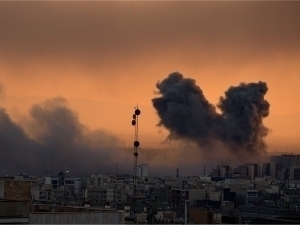
Фавқулодда саммит 9 сентябрдаги Исроил ҳаво ҳужумидан кейин чақирилди. Ушбу ҳужумда олти киши ҳалок бўлган эди.
Олти Кўрфаз давлатларини ифодалайдиган Форс кўрфази ҳамкорлик кенгаши “Қатар сингари биродар давлатга қарши Исроилнинг шафқатсиз тажовузи”ни қоралади ва уни “умумий Кўрфаз хавфсизлиги ҳамда минтақавий тинчлик ва барқарорликка тўғридан тўғри таҳдид” деб атади.
Форс кўрфази ҳамкорлик кенгаши Қўшма мудофаа кенгаши ва Олий ҳарбий қўмита йиғилишини чақиришга келишди. Қўмиталaр “Исроил тажовузидан келиб чиққан ҳолда аъзо давлатларнинг мудофаа салоҳияти ва таҳдид манбаларини баҳолайди” ҳамда “қўшма мудофаа механизмлари ва Кўрфаздаги тийиб туриш қобилиятларини фаоллаштиради”.
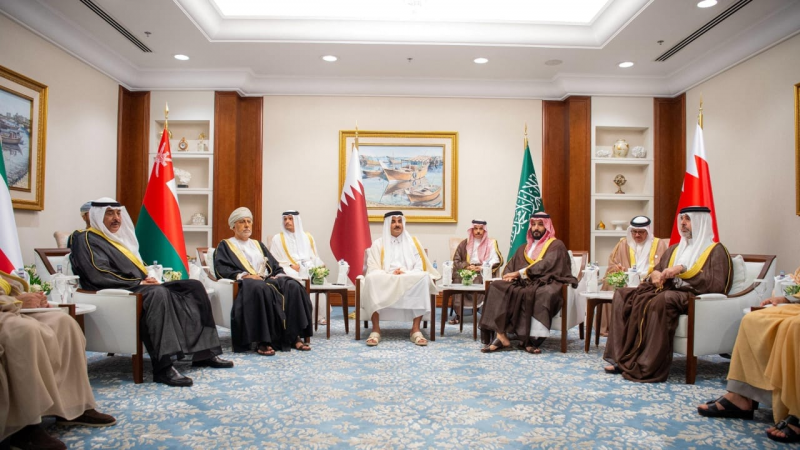
Баҳрайн, Кувайт, Уммон, Қатар, Саудия Арабистони ва Бирлашган Араб Амирликларини ўз ичига олган Форс кўрфази ҳамкорлик кенгаши аъзоларининг хавфсизликни таъминлаш учун мудофаа пакти мавжуд. Яқин кунларда Доҳада ягона қўмондонлик саммити чақирилади.
“Бирлашган қўмондонлик йиғилиши бу ерда, Доҳада бўлиб ўтади ва у Форс кўрфази ҳамкорлик кенгаши давлатларининг хавфсизлигини таъминлаш масалаларига бағишланади. Форс кўрфази ҳамкорлик кенгаши бир сафда турибди”, деди Қатар ТИВ вакили Мажид Муҳаммад ал-Ансорий.
Форс кўрфази ҳамкорлик кенгаши аъзолари 2000 йилда қўшма мудофаа шартномасига имзо чеккан эди. Унга кўра, бир давлатга ҳужум бутун аъзоларга қилинган ҳужум ҳисобланади. Форс кўрфази ҳамкорлик кенгаши “Қатарнинг хавфсизлиги, барқарорлиги ва суверенитетини ҳар қандай таҳдидларга қарши ҳимоя қилиш учун барча имкониятларни сафарбар қилишга тайёр”лигини билдирди.
Бироқ Форс кўрфази ҳамкорлик кенгашининг ўз-ўзини ҳимоя қилиш мажбурияти НАТО ҳарбий иттифоқидaгидек қатъий эмас. Чунки Форс кўрфази ҳамкорлик кенгашида ягона ҳарбий қўмондонлик тизими йўқ. Аъзоларга нисбатан аввалги ҳужумлар, масалан, Яман ҳусийлари томонидан Саудия ва БААга қилинган зарбалар вақтида Форс кўрфази ҳамкорлик кенгаши қўшма мудофаа чораларини кўрмаган. Шунга қарамай, Кўрфаз раҳбарлари аллақачон Исроилнинг Ливан, Сурия ва Эрондаги тажовузкорона ҳаракатларидан ташвишга тушган эди. Уларнинг аҳолиси ҳам Ғазодаги геноциддан қаттиқ ғазабда. Бу ерда 64 900 дан ортиқ фаластинлик ҳалок бўлган. АҚШнинг Исроил ҳужумларига бепарволиги ҳам Кўрфазни хавотирга солган.
Исроилнинг экспанционистик орзуси
Қатар Амири саммитда Исроилнинг минтақавий экспанциясидан огоҳлантириб, унинг Ливан, Сурия ва Ямандаги қайта-қайта бомбардимонлари, Сурия ерларини эгаллаб олиши ва Жанубий Ливандан чиқишдан бош тортиши ҳақида гапирди.
Амирнинг сўзларига кўра, Биньямин Нетаньяху “араб минтақасини Исроил таъсир доирасига айлантиришни орзу қилмоқда, аммо бу – хатарли иллюзия”.
Саммитда Исроилга қарши аниқ сиёсий ёки иқтисодий чоралар эълон қилинмади. Бироқ Форс кўрфази ҳамкорлик кенгаши Бош котиби Жасим Муҳаммад ал-Будайвий АҚШ Президенти Дональд Трампни Исроилга таъсир кўрсатишга чақирди:
“Биз стратегик ҳамкорларимиздан Исроилга босим ўтказишни кутамиз. Улар бундай имкониятга эга ва уни қўллаш вақти келди”.
Саммитнинг якуний ҳужжати, асосан, қораловлар ва Қатарга ҳамдардлик ифода этиш билан чекланди:
“Биз Исроилнинг Қатарга қаратилган қўрқоқона ва ноқонуний ҳужумини энг қатъий тарзда қоралаймиз. Қатар билан мутлақ ҳамдардликда турибмиз ва унинг қадамларини қўллаб-қувватлаймиз”, дейилади баёнотда.
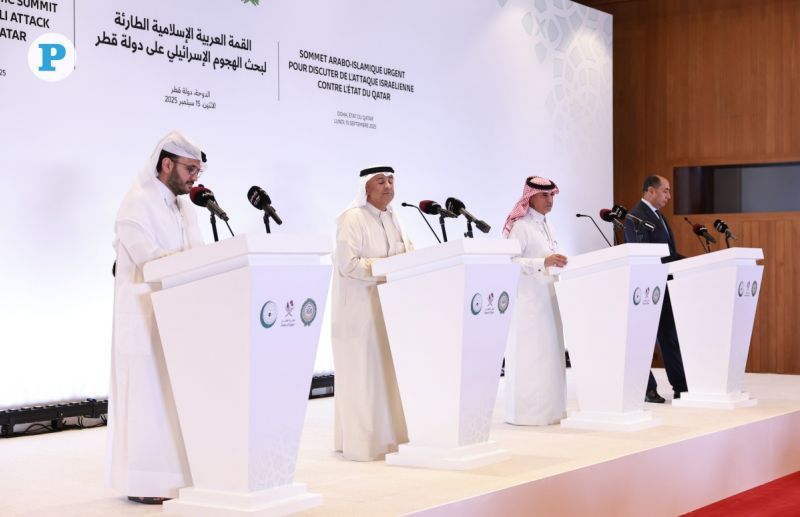
Ҳужжатда Қатарнинг воситачилик роли қўллаб-қувватланди, ҳужум учун ҳеч қандай асосни қабул қилиб бўлмаслиги айтилди. Шунингдек, Исроилнинг “Қатарни яна нишон қилиши мумкинлиги ҳақидаги таҳдидлари” кескин рад этилди.
“Биз Исроилни халқаро майдонда жавобгарликка тортамиз. Биз учун асосий восита – халқаро ҳуқуқ ва халқаро ташкилотлар”, деди Қатар ТИВ вакили ал-Ансорий.
Айрим давлатларнинг қаттиқроқ чақириқлари
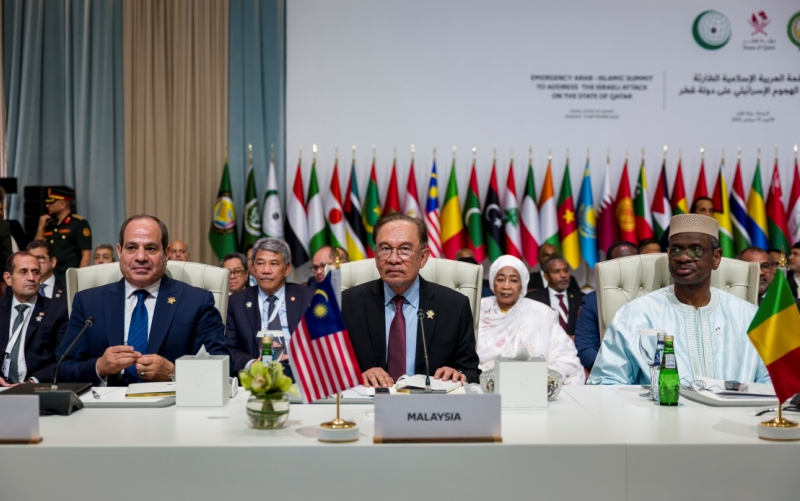
Қўшма баёнот аниқ чораларни ўз ичига олмаган бўлса-да, бир нечта давлат раҳбарлари қатъийроқ таклифлар билан чиқди:
- Туркия Президенти Ражаб Тойиб Эрдўған иқтисодий босим ўтказишга чақирди ва бунинг ўтмишда самара берганини таъкидлади. Шунингдек, Исроил расмийларини халқаро ҳуқуқий механизмлар орқали суд қилишни таклиф қилди.
- Миср Президенти Абдулфаттоҳ ас-Сисий Исроилнинг Қатарга ҳужумини “халқаро ҳуқуқнинг жиддий бузилиши ва хавфли прецедент” деб баҳолади. У Исроил халқига мурожаат қилиб, тинчлик шартномаларини вайрон қилмасликка чақирди.
- Покистон Бош вазири Шаҳбоз Шариф БМТда Исроил аъзолигини тўхтатиш ва араб-исломий қўшма гуруҳ тузишни таклиф қилди.
- Малайзия Бош вазири Анвар Иброҳим “қораловлар ракеталарни тўхтатмаслигини, баёнотлар Фаластинни озод қилмаслигини” айтди ва Исроилга нисбатан қаттиқ санкциялар ҳамда у билан дипломатик-иқтисодий алоқаларни узишни таклиф қилди.
- Эрон Президенти Масъуд Пезешкиён ҳам мусулмон давлатларини Исроил билан алоқаларни узишга чақирди.
АҚШнинг бепарволиги
“Middle East Eye” нашри ўтган ҳафтада АҚШ Президенти Дональд Трамп Қатарга қилинган ҳужумни “ёқлади” деб хабар берган эди. Кеча, 15 сентябрь куни Американинг “Axios” портали ҳам Трампнинг бу ҳужум ҳақида олдиндан хабардор ва рози бўлгани ҳақидаги хабар берди.
Шунингдек, оддий ҳолатда АҚШнинг Доҳадаги операция маркази билан алоқада бўлиши керак бўлган айрим расмийлар 9 сентябрдаги ҳужум вақтида “алоқа йўқолган”ини айтди. Бу операцияни амалга ошириш учун махсус равишда алоқалар узилганини кўрсатиши мумкин.
Кўрфазнинг бой сунъий монархиялари узоқ йиллар АҚШга хавфсизлик бўйича таянади. Қатарда АҚШнинг минтақадаги энг йирик ҳарбий базаси жойлашган. Исроил бомбардимон қилган бинo эса Доҳадаги АҚШ элчисининг қароргоҳидан узоқ эмас эди.
Таҳлилчилар айтишича, БАА ичида – Исроилнинг энг яқин араб ҳамкори – Қатарга қилинган ҳужумга қандай жавоб бериш бўйича ихтилофлар мавжуд. “Haaretz” ўтган ҳафтада Қатар БААдан Исроилдаги элчихонасини ёпишни сўраганини хабар қилди.
Доҳа саммити эса АҚШ Давлат котиби Марко Рубионинг Исроил Бош вазири Биньямин Нетаняҳу билан учрашиш пайтига тўғри келди. Рубио билан қўшма матбуот анжуманида Нетаньяху ҲАМАС аъзолари бўлган давлатларга яна зарба бериш эҳтимолини истисно этмади. Туркия, Миср ва Қатар турли вақтларда ҲАМАС амалдорларини қабул қилиб келган. Шулардан Туркия НАТО аъзоси саналади.
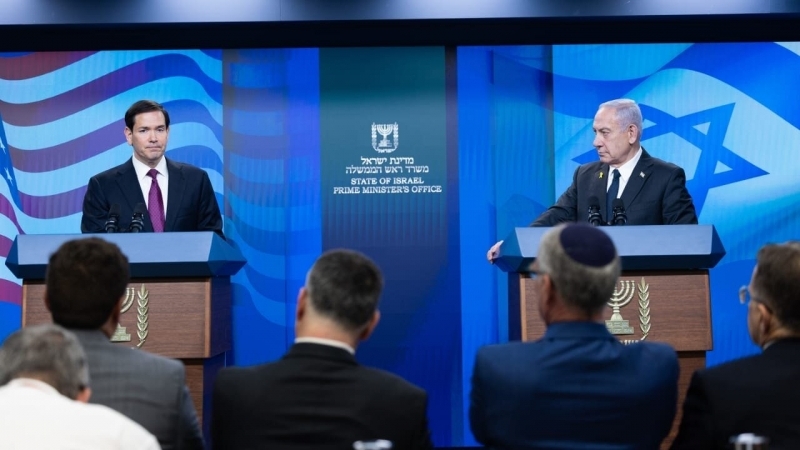
Рубио эса Исроилнинг Қатарга ҳужумига очиқдан-очиқ қаршилик билдирмади. Бу орада, Трамп чалкаш баёнот берди ва у АҚШнинг ҳужумдаги иштирокига ишора қилгандек бўлди ҳамда кейинги Исроил зарбаларини истисно этмади.
“Қатар АҚШнинг улкан ҳамкори бўлиб келган. Кўпчилик бундан бехабар, аммо унинг Амири ажойиб инсон. Мен, шунингдек, Нетаньяхуга айтиб ўтдимки, биз бошқаларга ҳужум қилганда эҳтиёткор бўлишимиз керак”, деди Трамп.
Қатар ва Миср АҚШ сўрови билан ҲАМАС ва Исроил ўртасида воситачиликда муҳим роль ўйнаган. Исроилнинг Доҳани бомбардимон қилиши ортидан айрим таҳлилчилар ва дипломатлар Қатар ўз воситачилик ҳаракатларини тўхтатиши мумкинлигини таъкидлади.
Бироқ 15 сентябрь куни Рубио воситачиликни умуман аҳамиятсиздек кўрсатиб, ҲАМАСни “террористик гуруҳ, унинг мақсади – яҳудий давлатини йўқ қилиш” деб атади.
“Шунинг учун биз бу жараёндан (оташкесимдан) ҳеч нарса кутаётганимиз йўқ”, деди Рубио.
Қатар ТИВ вакили Ал-Ансорийнинг таъкидлашича, Қатар АҚШ билан яқин мулоқотда бўлиб, кейинги қадамлар юзасидан музокаралар олиб бормоқда.
Рим университети профессори Андреа Десси Доҳа саммитини изоҳлар экан, араб-ислом давлатлари орасида оҳанг ўзгарганини айтди.
“Ҳозирча риторика даражасида ўзгаришни кўрмоқдамиз. Аммо кейин ҳаракатлар ҳам бўлиши керак”, деди у.
Live
All