Пахта, кўмир, қиш ғами – Ҳафта таҳлили
Review
−
12 October 2025 8770 18 minutes
Қозоғистонда вояга етмаганларга нисбатан жинсий дахлсизликка қарши жиноят содир этган шахсларга жазони ўташ муддати тугашидан олти ой олдин кимёвий кастрация қўлланилиши белгиланди. Қирғизистонда эса вояга етмаганлар ва аёлларни ўлдириш, зўрлаш билан боғлиқ жиноятлар учун ўлим жазосини тиклаш масаласи кун тартибига қўйилмоқда. Хўш, Ўзбекистонда бундай жазо чоралари жорий этилиши, хусусан, ўлим жазоси қайтарилиши керакми? Агар керак бўлса, сиз айнан қайси жиноятлар учун жазо чоралари шу тарзда белгиланишини истаган бўлардингиз? Қарор қабул қилишга шошманг, дўппини бир четга қўйиб, яхшилаб ўйлаб кўринг ва кейин изоҳ ёзинг. Негаки, кўза кунда эмас, кунида синади. Сиз ўлим жазоси сўраётган қайсидир жиноятни яқин қариндошингиз ё танишингиз содир этганда, унга ҳам ўлим тилаган бўлармидингиз? Ёки кастрацияни ўз яқинларингизга раво кўрармидингиз?
Шавкат Мирзиёев саммитда “исломофобия”га қарши курашиш масаласини кўтарди
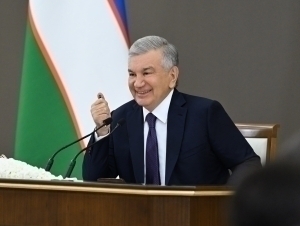
Ўтган ҳафтадаги 5 кунлик таътилдан кейин Ўзбекистон Президенти Шавкат Мирзиёев янги ҳафтани 94 ёшида вафот этган давлат ва жамоат арбоби Исмоил Жўрабековнинг таъзия маросимида иштирок этиш билан бошлади ва ўша куни Туркий давлатлар ташкилоти давлат раҳбарлари кенгашининг 12-саммитида иштирок этиш учун Озарбайжоннинг Габала шаҳрига жўнаб кетди.
Маълумки, Ўзбекистон ушбу ташкилотга Мирзиёев маъмуриятининг 3-йилида, 2019 йилнинг октябрь ойида аъзо бўлганди. Маданий алоқаларни ривожлантириш мақсадида ташкил этилган тузилма эса, аллақачон иқтисод, энергетика, божхона, ахборот технологиялари ва ҳатто, мудофаа ва ҳарбий масалаларни ҳам қамраб олишга улгурган. Қозоғистон, Қирғизистон, Озарбайжон, Туркия ва Ўзбекистон аъзо, Венгрия, Туркманистон ҳамда тан олинмаган Шимолий Кипр Турк Республикаси кузатувчи бўлган ташкилотнинг навбатдаги саммитида ҳарбий масала очиқ муҳокама қилинди.
Озарбайжон Президенти, саммит мезбони Илҳом Алиев ташкилотнинг таъсис ҳужжатини эслатиб, “Нахчиван шартномаси”да тинчлик ва хавфсизликни асраш унинг асосий мақсад ва вазифалари қаторига киритилганини қайд этди:
“Мамлакатларимиз ўртасида ҳарбий, мудофаа ва хавфсизлик соҳаларидаги кенг кўламли ҳамкорликни ҳисобга олиб, Туркий давлатлар ташкилотига аъзо давлатларнинг 2026 йилда Озарбайжонда қўшма ҳарбий машғулотларини ўтказишни таклиф қиламан”.
Ушбу таклифлар саммит якунлари бўйича қабул қилинган декларацияда ҳам ўз ифодасини топди. Ҳужжатга мувофиқ, тегишли органларга томонларни қизиқтирган минтақавий ва халқаро масалалар юзасидан мунтазам равишда сиёсий ва хавфсизлик бўйича маслаҳатлашувларни давом эттириш ҳамда ўзгарувчан геосиёсий ва хавфсизлик муаммолари шароитида умумий стратегик қарашлар орқали биргаликда жавоб чораларини кучайтиришга келишилган.
Давлат раҳбарлари терроризм, экстремизм, трансмиллий уюшган жиноятчилик ва киберхавфсизликнинг барча кўринишларида юзага келадиган хавф-хатарларга қарши курашиш бўйича ҳамкорликни кучайтиришга интилишларини яна бир бор тасдиқлаганлар.
“Ғазо секторидаги фожиа, Украина атрофидаги вазият, Эроннинг ядро дастури муаммоси, Афғонистоннинг барқарорлиги масалалари барчамизни жиддий ташвишга солади. Жаҳоннинг қудратли давлатлари томонидан адолатли дунё тартиботини шакллантириш, ўзаро ишонч ва хавфсизликни таъминлашга хизмат қиладиган интилиш ва янги режаларни олқишлаймиз”, деди Мирзиёев.
Президент Шавкат Мирзиёев Туркий давлатлар ташкилоти махсус хизматлар, яъни разведка ва хавфсизлик хизматлари раҳбарларининг биргаликдаги учрашувларини мунтазам ўтказиб боришни ва биринчи учрашувни 2026 йилда Самарқандда ўтказишни таклиф қилди.
Шунингдек, у Туркий давлатлар ўртасида стратегик шериклик, абадий дўстлик ва қардошлик тўғрисидаги шартномани тезроқ келишиб, қабул қилиш тарафдори эканини билдирди. Мирзиёевнинг таклифлари орасида эса экстремистик ва радикал мафкурага қарши курашишга қаратилган Ҳаракатлар режаси’ни қабул қилиш, “исломофобия”нинг ҳар қандай кўринишларига қарши курашиш масаласи ҳам бор.
Ўзбекистон раҳбари шу ҳафта яна иккита йирик тадбирда иштирок этди. Тожикистонда “Марказий Осиё – Россия” форматидаги иккинчи саммит ва Мустақил Давлатлар Ҳамдўстлиги Давлат раҳбарлари кенгашининг навбатдаги йиғилиши бўлиб ўтди.
“Марказий Осиё – Россия” форматидаги учрашувда Мирзиёев Россия Ўзбекистон учун муҳим, устувор стратегик шерик ва иттифоқчи бўлиб келгани, ҳозир ҳам шундайлиги ва келгусида ҳам шундай бўлиб қолишини айтди. У Путинга Марказий Осиё стратегик шерикликни ривожлантиришнинг қатъий тарафдори бўлиб келаётгани учун раҳмат айтди.
“Мамлакатларимизнинг Россия билан энергетика соҳасидаги ҳамкорлиги бундан буён ҳам минтақанинг тинчлиги ва барқарорлиги омили бўлиб қолади. Биз бугун стратегик, жумладан, газ қувурлари ва энергетика инфратузилмаларини ривожлантиришга қаратилган лойиҳаларни амалга оширяпмиз.
Шу кунларда тарихий бир воқеа бўлиб ўтади – Ўзбекистонда барпо этиладиган атом электр станциясининг биринчи реактори ва кўптармоқли ядро тиббиёти маркази қурилиши бўйича қўшма лойиҳаларни амалга оширишга старт берилади”, дейди Шавкат Мирзиёев.
Ўтган ой охирида Москвада бўлиб ўтган бутунжаҳон атом ҳафталиги доирасидаги Глобал атом форумининг йиғилишида иштирок этган Ўзбекистон Бош вазирининг ўринбосари Жамшид Хўжаев Жиззах вилоятидаги битта майдонда ҳар бири 1000 МВт бўлган иккита катта қувватли реактор ва ҳар бири 55 МВт бўлган иккита кичик қувватли реактор қурилишини маълум қилган эди.
2035 йилга бориб, қарийб 525 гектар майдондаги станция йилига 15,2 миллиард кВт•соат электр энергияси ишлаб чиқаради. Бу мамлакатдаги бугунги кундаги умумий истеъмолнинг қарийб 15 фоизига тенг. Бош вазир ўринбосари, шунингдек, ушбу лойиҳа энергетикани диверсификация қилиш бўйича кенг стратегиянинг бир қисми эканини қайд этган: 2030 йилга бориб Ўзбекистонда “тоза” энергетика улуши 40 фоиздан ошиши керак ва атом электр станцияси бу мақсадга эришишда салмоқли ҳисса қўшади.
Россия кўплаб соҳаларда Ўзбекистоннинг асосий ҳамкорилигича қолмоқда. 2025 йил январь-август ойларида Ўзбекистон Россиядан 5,4 млрд долларлик маҳсулот импорт қилган. Россия бу борада Хитойдан кейинги ўринда турибди. Ҳамкорлик масалаларига тўхталар экан, Мирзиёев, Россия билан кўп қиррали ҳамкорликни янада кенгайтиришга содиқ экалигини яна бир бор эслатди.
Қолаверса, Россияда ишлаётган ўзбекистонликлар ҳам кам эмас. Расмий Тошкент изоҳича, айни вақтда Россияда ишлаётган ўзбекистонликлар 1 миллиондан кам. Аммо мустақил экспертлар Россиядаги ўзбекистонликларнинг сони 2 миллионга яқинлигини айтиб келади. Сўнгги вақтларда Ўзбекистон мигрантларга кўрсатилаётган ғайриинсоний муносабатлар фонида Россия Ташқи ишлар вазирлигига бир неча бор ноталар юборди. Бироқ бу ноталарга на жавоб берилди ва на вазият ўзгарди.
“Марказий Осиё – Россия” саммити ва Мустақил Давлатлар Ҳамдўстлиги Давлат раҳбарлари йиғилиши Марказий Осиё давлатларининг бу йил Европа Иттифоқи билан биринчи саммитни ўтказиши ва унда қатор келишувларга эришиши, Қозоғистон, Қирғизистон, Ўзбекистоннинг Туркий давлатлар ташкилоти доираси ҳамкорликни мустаҳлаб, блок фаолиятини ривожлантириш талаби билан чиқиши, қолаверса, ҳар учала мамлакат раҳбарининг АҚШга ташрифи, айниқса, Мирзиёевнинг АҚШ Президент Дональд Трампга яқинлашуви ва Ўзбекистоннинг АҚШдан 8 миллиард доллардан ортиқ маблағ эвазига 22 та "787 Dreamliner" самолётини харид қилиши фонида кечди.
Мирзиёев маъмурияти 2017 йилдан буён барча мамлакатлар билан кўп томонлама ва прагматик сиёсат олиб бормоқда. Айни вақтда Ўзбекистон учун қатор иттифоқчилар ва стратегик шериклар бўлса-да, аниқ блок ёки аниқ мамлакат устуворлик касб этмайди.
Россия бошчилигида Собиқ Иттифоқ мафкураси ва меросини ўзида ташишга уринадиган МДҲ саммитига келсак, унда Ўзбекистон раҳбари иштирокчи давлатларни Афғонистонда сақланиб қолаётган мураккаб вазиятни унутмасликка чақирди. Мирзиёевга кўра, Афғонистон ҳудудидан хавф-хатар ва таҳдидлар сақланиб қолмоқда.
Саида Мирзиёева Европанинг юқори мартабали амалдорлари билан учрашди
Ўзбекистон Президенти Туркийлар, МДҲ ва Марказий Осиёдаги ҳамкорлар билан йиғинларда иштирок этган бу ҳафтада унинг тўнғич қизи, Ўзбекистон Президенти Администрацияси раҳбари Саида Мирзиёева Европага сафар қилиб, Брюсселда Global Gateway форумида қатнашди ва Европа Комиссияси Президенти Урсула фон дер Ляйен билан учрашди.
У ўзининг ижтимоий тармоқдаги саҳифасида Фон дер Ляйен билан мулоқотдан мамнун бўлгани ва Ўзбекистон-Европа ҳамкорлиги янада мустаҳкамланиб боришига ишончи комиллигини ёзди.
Шунингдек, Мирзиёева Европа Иттифоқининг ташқи сиёсат ва хавфсизлик бўйича Олий вакили, Еврокомиссия вице-президенти Кая Каллас билан учрашув ўтказди.
Билдирилишича, мулоқот чоғида ҳам глобал, ҳам минтақавий аҳамиятга молик масалаларга тўхталиб, Марказий Осиёга алоҳида эътибор қаратилган. Мураккаб геосиёсий вазиятга қарамай, минтақалар ўртасидаги ҳамкорлик ривожланиб бораётгани таъкидланган.
Бу Саида Мирзиёеванинг европалик юқори мартабали шахслар, хусусан, Европа Комиссияси Президенти Урсула фон дер Ляйен билан учрашуви эмас. Жорий йилнинг 3-4 апрель кунлари Самарқандда “Марказий Осиё – Европа Иттифоқи” биринчи саммити ва Самарқанд халқаро иқлим форумида Ўзбекистон раҳбари Шавкат Мирзиёев қизи Саида Мирзиёевани Европа комиссияси Президенти Урсула фон дер Ляйен ва Европа Кенгаши Президенти Антониу Кошта билан таништирганди.
Саммитда қабул қилинган қўшма декларацияда Қозоғистон, Қирғизистон, Тожикистон, Туркманистон, Ўзбекистон ҳамда Европа Иттифоқи ҳамкорликни чуқурлаштиришга содиқлигини тасдиқлаб, Европа Иттифоқи ва Марказий Осиё ўртасидаги муносабатларни стратегик шериклик даражасига кўтаришга қарор қилганди.
Ўзбек пахтаси яна бойкотга учраши мумкин-ми?
Ўзбекистонда сўнгги йилларда қишлоқ хўжалиги соҳасини нисбатан либераллаштириш, кластер тизимининг йўлга қўйилиши ортидан пахта теримига мажбурлов тўхтаб, 2022 йилда “Cotton Campaign” коалицияси Ўзбекистон пахтасига 2009 йилда жорий этган бойкотни бекор қилинган эди. Аммо қувончлар узоққа бормади. Жорий йилда мамлакатда пахта теримига ихтиёрий-мажбурий жавлб қилиш ҳақидаги мурожаатлар ортган.
Ижтимоий тармоқларда Сурхондарё вилояти Қумқўрғон тумани ҳокимининг ўринбосари, Оила ва хотин-қизлар бўлими бошлиғи Нигора Жумаева аёлларни мажбурий меҳнатга, яъни пахта теримига жалб этгани ҳақида хабарлар тарқалди. Хабарларга илова қилган аудиоёзувларда ҳоким ўринбосари ҳар бир хотин-қизлар фаолидан камида 2 нафар аёлни ўзи билан бирга пахта теримига олиб чиқишни талаб қилганини эшитиш мумкин.
Ушбу ҳолат бўйича Қумқўрғон туман ҳокимлиги муносабат билдириб, пахта теримига чиққан аёлларнинг “кўнгилли” эканини, уларнинг “ўз ихтиёри” билан бунга рози бўлганини маълум қилди.
Ҳокимликка кўра, 22 сентябрь куни Бош вазир ўринбосари, Оила ва хотин-қизлар қўмитаси раиси Зулайҳо Маҳкамова Қумқўрғонга бориб, у ерда “Аёллар бандлигини таъминлаш, ишсизликдан ҳоли ҳудудга айлантириш” борасида олиб борилаётган ишлар билан танишган.
Ташриф доирасида Мунчоқтепа маҳалласидаги “Мунчоқтепа истиқболи” фермер хўжалигида “Меҳнатим – фахрим” номли тадбир ташкил этилган. Тадбирда хотин-қизлар фаоллари билан бир қаторда теримда иштирок этаётган аёллар ҳам қатнашган. Улар ихтиёрийлик асосида тадбирда иштирок этиши белгиланган. Агар ҳокимлик баёнотига таянадиган бўлсак, шунда Маҳкамованинг айнан аёллар бандлигини текшириш учун келгани сабаб бу терим ташкил этилиб, аёллар гўё банд ва ҳаётидан мамнун қилиб кўрсатилганми? Кимга керак бу кўзбўямачилик. Маҳкамовага-ми ё ҳокимликка?
Ҳокимликка кўра, аудиоёзувда Жумаеванинг аёлларни далага фалон соатда келинглар деб чақирганини мажбурий меҳнат сифатида талқин этиш мутлақо асоссиз эмиш.
Бу пахта теримига мажбурлаш билан боғлиқ ягона ҳолат эмас. Тугаёттган ҳафтада таҳририятимизга Бухоро вилоятининг “Абу Али ибн Сино” номидаги ахборот-кутубхона марказининг 32 ходими пахта теримига мажбурланаётгани ҳақида мурожаат келиб тушди. Айтилишича, ходимлар 5 октябрь куни Бухоро туманидаги фермер хўжалигида 1503,0 кг пахта териб берган.
QALAMPIR.UZ ҳолатга аниқлик киритиш мақсадида ахборот-кутубхона маркази билан боғланди. Марказ маъмурияти таҳририятга ходимлар томонидан имзоланган розилик хатини илова қилиб, улар ўз хоҳиши билан, қўшимча даромад олиш мақсадида теримга чиққанини маълум қилди. Бироқ уларга терган пахтаси учун қанча пул берилгани очиқланмади.
Сурхондарё вилоятида пахта теримидан аёлларни олиб қайтаётган Labo Cobalt билан тўқнашди. Йўл-транспорт ҳодисаси Бандихон тумани, “Гулбоғ” маҳалласи ҳудудидан ўтувчи автомобиль йўлида содир бўлган. Labo ҳайдовчиси автомобилида ҳаракатланиб кетаётганида, бошқарувни йўқотиб, қарама-қарши йўналишдан ҳаракатланиб келаётган Cobalt русумли транспорт воситаси билан тўқнашиб кетган.
Оқибатда Labo русумли автомобиль ҳайдовчиси ҳамда 5 нафар аёл шу пайтнинг ўзида турли даражадаги тан жароҳатлари билан туман шифохонасига етказилган. Ижтимоий тармоқда тарқалган маълумотларда эса автомобилда 16 нафар аёл бўлгани айтилган.
Ҳозирда ҳолат юзасидан Бандихон туман ИИБ томонидан жиноят иши қўзғатилиб, тергов суриштирув ишлари олиб борилмоқда.
Ўзбекистонда пахта теримига мажбурлов, айниқса, ўқитувчи ва ўқувчилар, олий таълим муассасасидаги устозлардан тортиб, талабаларгача, шифокорлар, қўйингки, ижтимоий соҳа ходимларининг пахта даласига олиб чиқилиши узоқ бўлмаган ва бугун айрим ҳудудларда такрорланаётган тарих. Айнан шу ҳодисалар сабаб Ўзбекистон пахтаси 13 йил давомида жаҳон бозорида бойкотга учради. 32 та норматив-ҳуқуқий ҳужжат, 2021 йилда қабул қилинган 4 та қонун, 2 та Президент фармони ва 4 та қарор, 6 та Ҳукумати қарори ортидан пахта теримига мажбурловга чек қўйилганига ишонтирилди ва ўзбек пахтасига қўйилган бойкот олиб ташланган эди. Бунда ўша кезларда Касаба уюшмалари федерацияси раиси ва Бош вазир ўринбосари лавозимларида ишлаган Танзила Норбоеванинг алоҳида меҳнати бўлган. Аммо ҳолат шу давом этаверса, пахтамиз яна бойкотга учраш эҳтимоли юқори.
Мамлакатда пахта теримига яна ихтиёрий-мажбурий жалб қилиш кузатилаётганини экспертлар қишлоқ хўжалиги ерларидан мустақил фойдаланиш фермернинг ихтиёрида эмаслиги, фермер ўзи ерига нима экишни ўзи ҳал қилолмаслиги, пахтанинг килосига белгиланган нарх бугунги бозор талабларига жавоб бермаслиги, терим машиналарининг камлиги, борларига навбат юқорилиги ва уларга техник хизмат кўрсатиш масалалари ҳал этилмагани билан боғлайди.
Бу йил ҳам кун тезакка қоладими?
Ҳафта тугаши арафасида ижтимоий тармоқлар Сурхондарё вилояти Бойсун туманида аҳолига кўмир тарқатиш чоғида тартибсизлик келиб чиққани акс этган видео билан тебранди. Унда одамлар кўмир омборига бир-бирини қувиб ўтиб, ёпирилаётганини кўриш мумкин.
Ҳолат жорий йилнинг 8 октябрь куни “Бошработ” маҳалласида жойлашган кўмир омборида содир бўлган. Аҳолига куз-қиш мавсуми учун тарқатиш мақсадида 278 тонна кўмир келтирилган. Давлат томонидан арзон нархларда тарқатилаётган кўмир ҳақидаги эълонлар эса тумандаги маҳалла Telegram гуруҳларига юборилган.
Маҳаллий расмийларнинг билдиришича, омборга тўпланган фуқаролардан айримлари белгиланган графикка риоя қилмай кўмир олишга уринган ва тартибсизлик келиб чиққан.
Ҳолат Ички ишлар органлари ва мутасадди ташкилотлар ходимлари ёрдамида бартараф этилгани ва аввалига туманнинг олис, тоғли ҳудудларида яшовчи аҳолига кўмир тарқатилишига эътибор қаратилгани айтилмоқда.
Ўзбекистонда аллақачон совуқ кунлар бошланиб бўлди. Мамлакатдаги энергетик муаммолар, газ ва электр энергиясидаги тақчиллик пойтахт Тошкентни ҳам четлаб ўтмаяпти. Ҳукумат ҳар йили куз-қиш олдидан тайёргарликни бошлаганини эълон қилса-да, қишнинг совуқ кунларида газ муаммоси, кўмир етишмовчилиги авжига чиқади ва яна кун тезакка қолади.
Ўзбекистон 2023 йилнинг октябридан буён Россия газига боғланган. Шу ҳафта Россия жорий йилнинг январь-август ойларида Ўзбекистон, Қозоғистон ва Қирғизистонга газ етказиб беришни 15 фоизга оширгани маълум қилинди.
Йилнинг дастлабки саккиз ойида “Газпром” Ўзбекистон, Қозоғистон ва Қирғизистонга Россия табиий газининг экспортини 15 фоизга оширди. “Газпром” раҳбари Алексей Миллернинг билдиришича, уч давлат иқтисодиётининг умумий ҳажми яқин беш-олти йил ичида 60 фоизга ўсиши мумкин, бу эса энергия ва газ истеъмолининг ортишига олиб келади.
Ўзбекистон Миллий статистика қўмитаси маълумотларига кўра, Ўзбекистон 2025 йилнинг январь-август ойларида Туркманистон ва Россиядан газ импортини 27,9 фоизга қисқартириб, 885,9 миллион долларга туширган. Шу билан бирга, Ўзбекистон Энергетика вазирлиги импорт қилинаётган газ ҳажми ва нархи ҳақида маълумот бермаган.
Порахўрлар қўлга тушди
Ўзбекистон Экологик партияси тугаётган ҳафтада ҳоким ва вазир лавозимига номзодлар халқ депутатлари Кенгаши ва Қонунчилик палатасига номзоди кўриб чиқилаётганида коррупциянинг олдини олиш бўйича чора-тадбирлар режасини ҳам тақдим этишини назарда тутувчи қонун лойиҳасини муҳокама қилди. Айни шу ҳафтада эса Ўзбекистонда яна 10 дан ортиқ ҳолатда порахўрлар ушланди.
Масалан, Андижон вилоятининг Марҳамат тумани ҳокими 60 сотих ер майдонида ҳар бири 30 кв/м бўлган жами 8 та савдо дўкони қуриш учун ер ажратиш ва тегишли ҳужжатларни юқори лавозимда ишловчи танишлари орқали расмийлаштириб бериш эвазига фуқародан 15 минг АҚШ доллари талаб қилган. У олдиндан 200 АҚШ доллари олган.
Давлат хавфсизлик хизмати ва Бош прокуратура ҳузуридаги Иқтисодий жиноятларга қарши курашиш департамент ходимлари ҳамкорлигида ўтказилган тезкор тадбирда ҳоким ўринбосари қолган 14800 АҚШ долларини олган вақтида ашёвий далиллар билан ушланган.
Унга нисбатан Жиноят кодексининг 168-моддаси (Фирибгарлик) 3-қисми “а”, “в” бандлари ва 28 (Жиноят иштирокчиларининг турлари),211-моддаси (Пора бериш) 2-қисми “б” банди билан жиноят иши қўзғатилиб, “қамоқ” эҳтиёт чораси қўлланилган. Тергов ҳаракатлари олиб борилмоқда.
Тошкент вилояти Оҳангарон тумани ҳокимлиги бош юрисконсульти эса “Эйвалек” маҳалла фуқаролар йиғини ҳудудида жойлашган ва ҳокимлик балансида бўлган хонадонни юқори лавозимда ишловчи танишлари орқали фуқаро номига расмийлаштириб бериш эвазига 1500 АҚШ доллари олган вақтида ашёвий далиллар билан ушланди.
Бош юрисконсульт муқаддам бир неча маротаба судланган. Ҳозирда унга нисбатан Жиноят кодексининг 168-моддаси (фирибгарлик) 3-қисми “в” банди ва 28,211-моддаси (пора олиш) 1-қисми билан жиноят иши қўзғатилиб, тергов ҳаракатлари олиб борилмоқда.
Сирдарё вилоятида эса Ховос тумани ҳокимининг ўринбосари ҳамда вилоят инвестициялар, саноат ва савдо бошқармасининг туман бўлими мутахассиси ўзаро тил бириктириб, тасарруфида 452 гектар ер майдони бўлган чорвачиликка ихтисослашган фермер хўжалигини келгуси йил шоли етиштириш тақсимотига киритиш, экспорт режаси бажарилганини тасдиқлаш, тақсимотсиз шоли етиштирган ҳолатига нисбатан чора кўрмаслик, шунингдек, гўёки ДХХ томонидан тумандаги фермер хўжаликлари фаолияти бўйича ўтказилаётган текширувда уни ҳимоя қилиш эвазига хўжалик раҳбаридан жорий йилнинг июнь ойида 10 минг доллари олган.
Кейинроқ ҳоким ўринбосари ер майдонини давлат захирасига олиб қўйиш ва фермер хўжалиги раҳбарига нисбатан жиноят иши қўзғаттириш билан таҳдид қилиб, қўшимча 20 минг доллар талаб қилган. Ўтказилган тезкор тадбирда ҳоким ўринбосари сўралган пул маблағидан 10 минг долларни ўзининг ҳамтавоғи бўлган мутахассис орқали олган вақтида ушланган.
Ҳозирда ҳоким ўринбосари ҳамда вилоят инвестициялар, саноат ва савдо бошқармасининг туман бўлими мутахассисига нисбатан Жиноят кодексининг 165-моддаси 3-қисми “а” банди билан жиноят иши қўзғатилиб, қамоқ эҳтиёт чораси қўлланди.
Навоий вилояти Кармана туманида ҳоким ёрдамчиси ноқонуний равишда 40 млн сўм пора билан қўлга тушди. У 2024 йилда бошқа бир фуқарога ижарага берилган ер майдонини бошқа кишига расмийлаштириб бериш эвазига 100 млн сўм талаб қилган.
Ҳозирда ҳоким ёрдамчисига нисбатан жиноят иши қўзғатилиб, тергов ҳаракатлари олиб борилмоқда.
Тошкентда талаба “шантаж” қилмоқчи бўлган аёлни ўлдирди
Тошкент шаҳрида 25 ёшли талаба йигит ижарага олинган хонадонларнинг бирида ишқий муносабат қилиш учун чақирган аёлни бўғиб ўлдирди. Бунга аёлнинг йигитни “шантаж” қилгани сабаб бўлган.
Йигит мурдани яшириш мақсадида чойшабга арқон ёрдамида ўраган ва воқеа жойидан яширинган. Йигитнинг судда айтишича, аёл ундан 5 миллион даъво қилган ва қаматиб юбориш билан қўрқитган. Таҳдид ортидан йигит аёлни бўғизлаган ва унинг ўлганини билгач, Сурхондарёга равона бўлган.
Тугаётган ҳафтада Жиноят ишлари бўйича Яшнобод туман судида юқоридаги ҳолат бўйича суд иши кўриб чиқилган. Судланувчи Жиноят кодексининг 97-моддаси (қасддан одам ўлдириш) 1-қисмида назарда тутилган жиноятни содир қилганликда айбли деб топилган ва 10 йил муддатга озодликдан маҳрум қилиш жазоси тайинланган. Тайинланган жазони умумий тартибли колонияда ўташи белгиланган.
Йигитнинг қайси олий таълим муассасаси талабаси экани маълум эмас. Сал аввал Ўзбекистонда 2025 йилнинг биринчи ярим йиллиги давомида 102 та олий таълим муассасасининг 307 нафар талабаси томонидан жиноят содир этгани Сенатдаги йиғинда айтилган эди.
Олий таълим муассасалари кесимида эса жиноятларнинг кўпчилик қисми Тошкент давлат транспорт университети, Ўзбекистон миллий университети, Тошкент давлат техника университети, Тошкент ахборот технологиялари университети, Тошкент давлат иқтисодиёт университети ҳиссасига тўғри келади.
Президентни ҳақоратлаб изоҳ ёзган йигит судланди
Instagram’да Ўзбекистон Президенти Шавкат Мирзиёевни ҳақоратлаб изоҳ қолдирган 18 ёшли йигит жазоланди. Тошкент вилоятининг Оҳангарон шаҳрида яшовчи 18 ёшли судланувчи ўзига тегишли Instagram профили орқали Ўзбекистоннинг Биринчи ва амалдаги Президентлари тасвирланган фотосурат остида Шавкат Мирзиёевга нисбатан ҳақоратомуз мазмундаги изоҳ қолдирган.
Суд-сиёсатшунослик лингвистик экспертизаси хулосасига кўра, изоҳда Президентга қарши қаратилган, унинг шаъни ва қадр-қимматини камситувчи, обрўсизлантирувчи фикрлар, ғоялар ва сўзлар мавжудлиги аниқланган. Суд айбланувчини Жиноят кодексининг 158-моддасининг 3-қисми билан айбли деб топиб, унга нисбатан 2 йил муддатга озодликни чеклаш жазосини тайинланган.
Жазо чораси ўз ичига спиртли кафе, бар, ресторанларга бормаслик, оммавий тадбирлар (намойишлар, митинглар)да иштирок этмаслик, жиноят содир этишга мойил бўлган шахслар билан алоқа ўрнатмаслик, маҳкумларни назорат қилувчи органнинг розилигисиз яшаш жойини ўзгартирмаслик ҳамда Тошкент вилоят ҳудудидан ташқарига чиқмасликни ўз ичига олади.
Мубашшир Аҳмад 2 ярим йилга қамалди
8 октябрь куни Жиноят ишлари бўйича Учтепа туман судида Мубашшир Аҳмад номи билан танилган диний уламо ва блогер Алишер Турсуновга суд ишининг якуний қисми бўлиб ўтди. Суд ҳукмига кўра, у 2 йил-у 6 ой муддатга озодликдан маҳрум қилинди.
Мубашшир Аҳмад фаолиятини холис тарзда олиб борганини айтган ва ўзига қўйилган айбловларни рад этиб, фақатгина диний мазмундаги материалларни ваколатли органлар рухсатисиз ва Дин ишлари бўйича қўмитанинг розилигисиз эълон қилганини тан олган, бу ҳам у Ўзбекистондан ташқарида бўлгани учун содир бўлганини билдирган. Судланувчи вояга етмаган фарзандлари борлиги, оила боқувчиси экани, соғлиғидаги муаммолар, қолаверса илмий изланиш олиб бораётганини инобатга олган ҳолда, суддан енгиллик беришни сўраган.
Мубашшир Аҳмад Жиноят кодексининг 156-моддаси (миллий, ирқий, этник ёки диний адоват қўзғатиш) 2-қисми, 244-1-моддаси (жамоат хавфсизлиги ва жамоат тартибига таҳдид соладиган материалларни тайёрлаш, сақлаш, тарқатиш ёки намойиш этиш) 3-қисми “г” банди ва 244-3-моддаси (диний мазмундаги материалларни қонунга хилоф равишда тайёрлаш, сақлаш, олиб кириш ёки тарқатиш)да назарда тутилган жиноятларни содир этганликда айбли деб топилди.
Унга Жиноят кодексининг 57-моддасини (енгилроқ жазо тайинлаш) қўллаган ҳолда 59-(бир неча жиноят содир этганлик учун жазо тайинлаш) ва 61-(жазоларни қўшишнинг ҳисоблаш қоидалари) моддалар тартибида 2 йил 6 ой муддатга озодликдан маҳрум қилиш жазоси тайинланди. Тайинланган жазони умумий тартибли колонияларда ўташ белгиланди.
Шу билан бирга, интернет тармоғидаги Facebook, Instagram ижтимоий тармоқлари, Telegram мессенжери ҳамда YouTube видеохостингидаги Мубашшир Аҳмад ва Azon Global – Муқобил ахборот-таҳлилий канали номли саҳифалар (каналлар) фаолияти тўхтатилиб, блокланиши белгиланди.
Жиноят ишлари бўйича Учтепа туман судининг ушбу ҳукми устидан тарафлар қонунда белгиланган тартиб ва муддатда Тошкент шаҳар судининг жиноят ишлари бўйича судлов ҳайъатига апелляция/кассация тартибида шикоят бериш ва протест келтиришга ҳақлилиги билдирилди.

Live
All