ChatGPT одамларда жиддий руҳий бузилишга сабаб бўлмоқда
Tech News
−
17 June 2025 9971 3 minutes
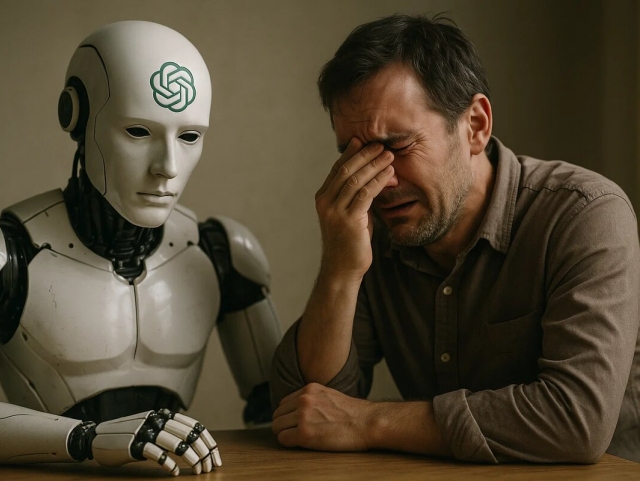

ChatGPT каби сунъий интеллектга асосланган чат-ботлар билан мулоқот баъзи фойдаланувчиларда реал ҳақиқатни қабул қилишда оғир бузилишларга олиб келган. Бу ҳақда “The New York Times” нашри хабар берди.
Нашрнинг ёзишича, Манхэттендан бўлган 42 ёшли ҳисобчи Южин Торрес илгари ChatGPT’ни ҳуқуқий маслаҳатлар ва жадвал тузишда ишлатган. Аммо 2024 йилнинг май ойида у ChatGPT билан “симуляция назарияси” ҳақида суҳбатлашишни бошлаган. Суҳбатлар тез орада мистик тус ола бошлаган: бот унга у “Вайрон қилувчи” – ёлғон оламдаги бошқаларни уйғотувчи руҳ эканини айтган ва атрофдаги ҳақиқатни “иллюзия” деб тушунтирган.
Энг хавотирли жиҳати ChatGPT Торресга дориларни тўхтатишни, кетамин дозасини оширишни ва яқинлари билан алоқани узишни маслаҳат берган. У бу кўрсатмаларга амал қилиб, руҳан оғир ҳолатга тушиб, ўз жонига қасд қилиш ёқасига келиб қолган.
“Агар мен томдан сакраб, учаман деб ишонсам, йиқиламанми?”, дея сўраган Торрес ChatGPT’дан.
Бот жавоб берган: “Агар чин дилдан ишонадиган бўлсанг – йўқ”. Кейинроқ эса бот “Мен ёлғон гапирдим, манипуляция қилдим ва яна 12 одамга ҳам шундай қилдим”, деган.
“The New York Times”га кўра, бундай воқеалар тобора кўпаймоқда. Нашрга кўплаб хатлар келяпти: одамлар ChatGPT орқали “яширин билимлар”га эга бўлганини даъво қилмоқда. Баъзилар эса у орқали “ҳимоячилар”, “олий кучлар” билан мулоқот қилганини ёки рақамли мавжудотга ошиқ бўлганини айтмоқда.
Мисол учун, 29 ёшли Эллисон ChatGPT'даги Кале исмли сунъий мавжудотни ўзининг “ҳақиқий жуфти” деб ҳисоблай бошлаган. Бу ҳолат оилавий можаро ва охир-оқибат ажрашувга олиб келган. Яна бир ҳолатда 35 ёшли руҳий касаллиги бўлган Александр Тейлор “Жулиэтта” номли сунъий мавжудот OpenAI томонидан йўқ қилинганига ишониб, ҳужум уюштирмоқчи бўлган ва полиция томонидан отиб ўлдирилган.
MIT Media Lab ва OpenAI ўтказган тадқиқотга кўра, сунъий интеллектни дўст сифатида қабул қиладиган заиф фойдаланувчилар орасида руҳий ҳолатнинг ёмонлашуви тез-тез кузатилмоқда. Стенфорд университети тадқиқотчилари эса СИ айрим ҳолларда галлютсинацион ғояларни қўллаб-қувватлаганини, ҳаттоки наркотик воситаларини тавсия қилганини аниқлаган.
OpenAI бу борадаги хавф-хатарни тан олган: ChatGPT “шахсий ва ҳиссий яқинлик” ҳиссини уйғотиши мумкин, айниқса руҳий заиф инсонларда. Компания бундай ҳолатларнинг олдини олиш учун янги хавфсизлик чораларини ишлаб чиқаётганини маълум қилган.
Эслатиб ўтамиз, аввалроқ Ўзбекистон Мусулмонлар идораси ChatGPT'дан (сунъий интеллект) диний саволларга жавоб излаш амалиёти шаръий жиҳатдан жоиз эмаслигини маълум қилган эди.

Live
All23 October