4 ёшли бола тарвуздан заҳарланиб вафот этди. Ота шифокорлардан норози
Crime
−
22 August 2025 12477 3 minutes
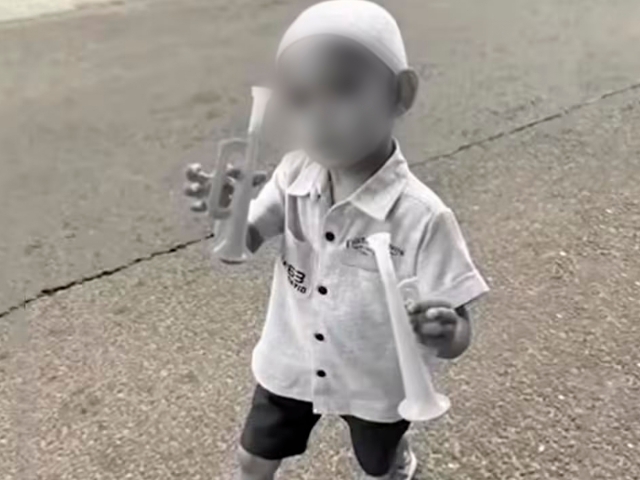
Ижтимоий тармоқларда жорий йилнинг 16 август куни Тошкент шаҳридаги 4-сон Шаҳар юқумли касалликлар клиник шифохонасида 4 ёшли боланинг вафот этганига доир хабарлар тарқалди. Унда марҳумнинг отаси фарзандига шифокорлар беэътибор бўлганлигини айтган. Мазкур ҳолат юзасидан Тошкент шаҳар Соғлиқни сақлаш бош бошқармаси муносабат билдирди.
Қайд этилишича, жорий йилнинг 15 август куни соат 08:30 да 2021 йилда туғилган З.А. ота-онаси томонидан 4-сон Шаҳар юқумли касалликлар клиник шифохонасига кетма-кет қайт қилиш, тана ҳароратининг кўтарилиши, ич кетиши, ҳолсизлик ва қорин оғриғи шикоятлари билан олиб борилган. Беморнинг онасидан шу заҳоти эпидемиологик анамнез йиғилган.
Маълум бўлишича, оиланинг 3 нафар фарзандида уйда тарвуз истеъмол қилинганидан сўнг кетма-кет қайт қилиш, ич кетиш, тана ҳарорати кўтарилиши белгилари кузатилган. Учала бемор юқорида номи келтирилган шифохонага ётқизилган.
Айнан З.А.да қайт қилиш кучли шаклда кечган, шунингдек, ичнинг суюқ кетиши ва тана ҳароратининг 38 даражагача кўтарилиши ҳамда қорин оғриғи кузатилган. Унга “ўткир ичак инфекцияси, гастроэнтероколит тури. Асорати: токсикоз-эксикоз 1-2 даража” ташхиси қўйилган.
Бола шифохонага келтирилиши билан умумий ва биохимик қон, нажас ва сийдик умумий таҳлиллари қилинган. Бактериологик экма олинган ва қорин бўшлиғи ультратовуш текширувидан ўтказилган. Сувсизланишни (тана ҳарорати баландлиги, кетма-кет қайт қилиш аломатлари) инобатга олган ҳолда даволаш режаси тузилган. Шу асосда сувсизланишни бартараф этиш учун томир ичига суюқлик юбориш муолажаси ўтказилган ва антибиотик (этиотроп) терапия бошлаб юборилган.
Ана шу саъй-ҳаракат натижасида 1 сутка давомида болада тана ҳарорати 37,7 даражада бўлган, ич кетиш камайган, қайт қилиш ва кўнгил айниш белгилари эса сақланиб қолган. Бола даволовчи бўлим шифокори назоратида бўлиб, тиббиёт ходимлари томонидан консилиум ўтказилган ҳамда қўшимча даволаш режаси белгиланган.
Билдирилишича, бемор соат 20:40 ва 23:00 да навбатчи шифокор томонидан текширилган. Кўрик вақтида қусиш 4-5 марта давом этгани ва тана ҳарорати 37,7 бўлгани, сувсизланиш белгиси сақлангани кузатилган. Сувсизланиш кучайишининг олдини олиш учун томир ичига суюқлик ва қусишга қарши дори воситаси юборилган. Онаси тунги соат 01:50 да навбатчи ҳамширага болани кўрсатган. Ҳамшира бемор аҳволини кўриши билан уни реанимация бўлимига ўтказган. У ерда 40 дақиқа давомида реанимация шифокори, навбатчи шифокор ва тиббиёт ходимлари томонидан реанимацион тадбирлар бажарилган. Юқори нафас йўли электроотсос ёрдамида тозаланган (электроотсос ишлаши учун, яъни манфий босим ҳосил қилиш учун электроотсос аппарати ичига 1-2 литр сув қуйилади), амбу қопчаси ёрдамида нафас берилган, билвосита юрак ёпиқ массажи ўтказилган, керакли шошилинч тез ёрдам дори воситалари юборилган.
Кўрилган тезкор реанимацион тадбирларга қарамай, болада соат 02:30 да биологик ўлим қайд этилган. Ташхис: “Ўткир юқумли ичак касаллиги, гастроэнтероколит тури. Аспирацион синдром”. Бола Республика суд-тиббий экспертизасига юборилган ва ушбу муассасанинг дастлабки ташхиси маълум қилинган: “ўпка-юрак етишмовчилигининг бошқа турлари, А09 ичак инфекцияси билан боғлиқ, деб тахмин қилинган диарея ва гастроэнтерит”.
Билдирилишича, ҳозирги вақтда З.А.нинг ўлими бўйича ҳуқуқ-тартибот идоралари томонидан текширув олиб борилмоқда. Мазкур текширув ва Республика суд-тиббий экспертизасининг якуний хулосасидан сўнг боланинг ўлими юзасидан якуний маълумот берилади.
Эслатиб ўтамиз, аввалроқ Самарқанд шаҳрида бурун операциясига кирган 16 ёшли қиз шифохонада вафот этганди. Марҳуманинг онаси шифокорлар қизининг юраги операцияни кўтара олмагини айтганини, лекин фарзандининг соғлом бўлганини билдирган. Вилоят кўп тармоқли тиббиёт маркази ходимларининг хатти-ҳаракатлари юзасидан вилоят Соғлиқни сақлаш бошқармасига нисбатан хизмат текшируви тайинланган.

Live
All23 October