2024 йилда кимлардан қарз олинди ва нималарга сарфланди?
Review
−
05 June 2025 11423 6 minutes
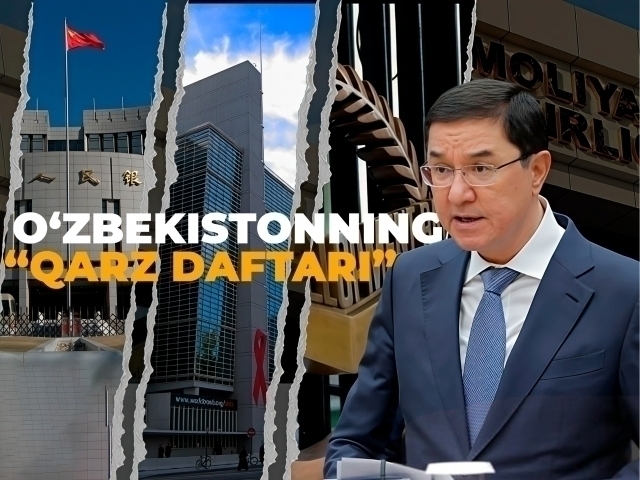
Бугунга келиб, Ўзбекистоннинг давлат қарзи қолдиғи жами 42,4 миллиард АҚШ долларини ташкил этмоқда. Бунинг бир қисми ички, қолгани эса ташқи қарздорликдан иборат. Шундай қилиб, мамлакат қарзлари ялпи ички маҳсулот (ЯИМ)га нисбатан 33,5 фоизга етди. Иқтисодиёт ва молия вазири Жамшид Қўчқоровнинг фикрича, давлат қарзининг сўнгги йилларда кетма-кет равишда ўсиб боришидан уялиш керак эмас. Устига-устак, қонунда белгиланган чегарага ҳали етилмаган. Вазирнинг бундай тушунтиришларига қарамасдан, аҳоли ўртасида нозик геосиёсий паллада қарздорликнинг бундай катта рақамларда ўсиб боришидан ҳадик мавжудлигича қолмоқда. Мақолада давлат ташқи қарзининг қаерга сарф бўлаётгани, ўсиб бориш тенденцияси ва яна бошқа бир қанча жиҳатлари ҳақида сўз боради.
Давлат қарзи қанчалик ўсяпти?
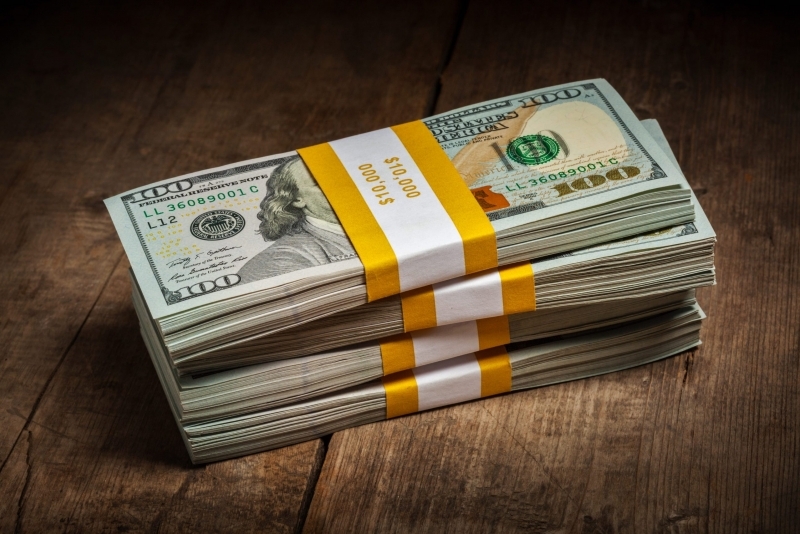
Рақамларга қаралса, давлат қарзининг ҳар йили ўсиб бораётгани кўринади. Масалан, Ўзбекистоннинг сўнгги 5 йилдаги давлат қарзини қуйидагича таҳлил қилиш мумкин:
- 2020 йилда 23,3 миллиард доллар;
- 2021 йилда 26,3 миллиард доллар;
- 2022 йилда 29,2 миллиард доллар;
- 2023 йилда 34,9 миллиард доллар;
- 2024 йилда 40,2 миллиард доллар.
Таъкидлаш керакки, юқорида келтирилган рақамлар фақатгина ҳукумат гарданидаги қарзни англатади. Марказий банк маълумотларига кўра, хусусий сектор жалб қилган ташқи қарзлар ҳам инобатга олинса, Ўзбекистоннинг умумий қарзи ўтган йилда 2023 йилдагига нисбатан 10,8 миллиардга ошиб, 64,1 миллиардга етган ва ЯИМга нисбатан 55,7 фоизни ташкил этган.
Ёдингизда бўлса, бутун йил учун тасдиқланган давлат бюджети дастурига харажатларни ошириш тўғрисида ўзгартириш киритиб, ташқи қарз бўйича чегара 5 дан 7,3 миллиард долларгача оширилган эди. Мазкур ўзгартиришлар жамоатчилик эътирозига сабаб бўлди. Таъкидлаш жоизки, бир қанча давлатларда ошиб бораётган бюджет харажатлари туфайли қонунга ўзгартириш киритиш бўйича тегишли ташкилотлар томонидан парламентга мурожаат қилинади. Аммо Ўзбекистон Иқтисодиёт ва молия вазирлиги бундай мурожаатни киритиш учун йил охирини кутди, натижада Қонунчилик палатасида 9 дақиқа давом этган муҳокамадан сўнг, ўзгартиришлар тасдиқланди. Шундай қилиб, 18 декабрда Сенат маъқуллаган қонун 24 декабрда Президент томонидан ҳам тасдиқланди.
Ўзбекистон кимлардан қарз оляпти?
Ўзбекистон 2024 йилда бир қанча халқаро ташкилот ва ҳукуматлардан қарз бўлган. Бунда халқаро молия институтлари энг кўп қарз берувчи бўлиб, умумий қарз миқдорининг 19,14 миллиард доллари ёки 57 фоизини ташкил этган. Бошқа асосий қарз берувчилар эса қуйидагича:
Осиё тараққиёт банки – 7,41 миллиард доллар;
Жаҳон банки – 7,63 миллиард доллар;
Ислом тараққиёт банки – 900 миллион доллар;
Осиё инфратузилмавий инвестициялар банки – 1,65 миллиард доллар ва бошқалар.
Бундан ташқари, Ўзбекистон бир қанча хорижий ҳукуматлар молия ташкилотларидан ҳам қарз олган. Уларнинг орасида Хитой биринчи ўринда.
Хитой тараққиёт давлат банки, Хитой Эксимбанки – 3,76 миллиард доллар;
Япония халқаро ҳамкорлик агентлиги – 2,88 миллиард доллар;
Франция тараққиёт агентлиги – 977 миллион доллар;
Корея Эксимбанки ва Корея иқтисодий тараққиёт жамғармаси – 740 миллион доллар;
Германия давлат банки – 415 миллион доллар;
Саудия тараққиёт жамғармаси – 139 миллион доллар;
Испания давлат банки – 66 миллион доллар ва бошқалар.
Қарзлар нималарга сарфланяпти?
Ўзбекистон давлат ташқи қарзининг асосий қисм (45 фоиз)ини бюджетни қўллаб-қувватлашга йўналтирмоқда. Ундан кейинги ўринда қарзларнинг 17 фоиз кўрсаткичи билан ёқилғи-энергетика саноати туради. Бошқа соҳалар эса қуйидагича тақсимланади:
- Транспорт ва транспорт инфратузилмаси – 8 фоиз;
- Қишлоқ ва сув хўжалиги – 9 фоиз;
- Уй-жой коммунал хўжалиги – 8 фоиз;
- Тадбиркорлик фаолияти ва саноат ишлаб чиқаришни қўллаб-қувватлаш – 2 фоиз;
- Кимё саноати – 2 фоиз;
- Соғлиқни сақлаш, талим, ахборот ва коммуникация технологиялари ҳамда бошқа соҳалар – 7 фоиз.
Вазирнинг сўзларига кўра, жорий йил 1 апрель ҳолатида мамлакат давлат қарзи қолдиғи 42,4 миллиард доллари бўлиб, унинг 35,6 миллиард доллари ташқи, 6,9 миллиард доллари эса ички қарздан иборат. Жамоатчилик давлат қарзининг йилма-йил ошиб боришидан хавотир билдираётган бир пайтда Қўчқоров ҳолатни халқаро нормаларга мос ва мўътадил деб баҳолади. Унга кўра, “Давлат қарзи тўғрисида”ги қонунда давлат қарзининг энг юқори чегараси ЯИМга нисбатан 60 фоиздан ошишига йўл қўймаслик белгиланган. Ҳозирги қарз эса жами 33,5 фоизини ташкил қиляпти.
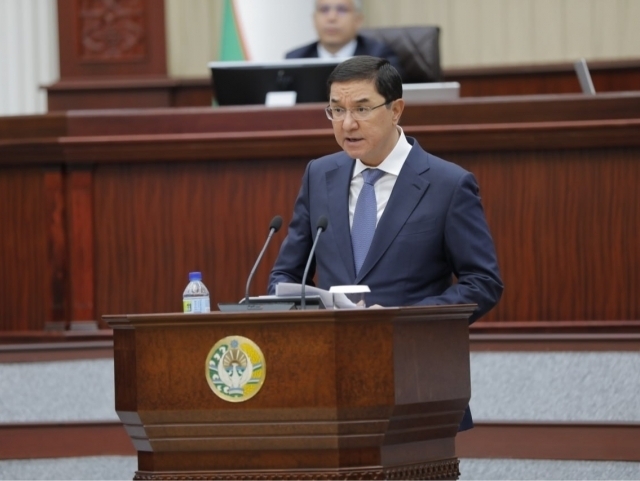
“Шаҳарлар борми, қишлоқлар борми, маҳаллаларми – ҳаммаси обод бўлиб келяпти ва бунда харажатларнинг маълум бир қисми ташқи қарз ҳисобидан амалга оширилади. Агар шундай сўз жоиз бўлса, бунинг ҳеч қандай уятли жойи йўқ. Қарз ошди деб гапирадиган одам шу билан бирга Ўзбекистон Республикасининг ЯИМ ҳам бугунги кунда 115 млрд долларга етганини ҳам айтиб ўтиши керак”, деган Қўчқоров.
Ўтган йилда давлат нималарга харажат қилди?
2024 йилда консолидациялашган бюджет даромадлари 381,4 триллион сўмни, харажатлари эса 429,3 триллион сўмни ташкил этиб, консолидациялашган бюджет тақчиллиги 47,8 сўмга етган.
Вазир Қўчқоровга кўра, давлат бюджети харажатларининг 50 фоизи ижтимоий соҳага йўналтирилган бўлиб, таълим, соғлиқни сақлаш ва фан соҳаларига ижтимоий харажатларнинг 72 фоизи ёки 109 триллион сўми сарф қилинган. Унинг айтишича, умумтаълим соҳасидаги ислоҳотларни қўллаб-қувватлаш учун соҳага ажратилган маблағлар миқдори ўтган 3 йилда қарийб 12 триллион сўмга кўпайиб, 45 триллион сўмга етган. Хорижий ва миллий сертификатларга эга бўлган ўқитувчиларни рағбатлантиришга 979 миллиард сўм; хорижий тилларни оммалаштириш мақсадида жалб қилинган 500 нафар чет эллик ўқитувчиларга 11 миллиард сўм тўлаб берилган.
Соғлиқни сақлаш соҳаси учун ажратилган маблағ 36 триллион сўмни, аҳолини ижтимоий қўллаб-қувватлаш учун ажратилган маблағ эса 15 триллион сўмни ташкил этган. Шунингдек, 65 мингдан ортиқ фуқароларнинг олган ипотека кредитлари бўйича фоиз тўловларининг бир қисмини қоплаб бериш учун 902 миллиард сўм ажратилган.
Ўтган йилда қишлоқ ва сув хўжалиги соҳасига бюджетдан 11 триллион сўм ажратилган бўлса, экология ва атроф-муҳит муҳофазаси тадбирлари учун амалга оширилган харажатлар миқдори 6,2 триллион сўмни ташкил этган.
2024 йил мобайнида марказлашган инвестиция лойиҳалари ва ҳудудлар инфратузилмаларини ривожлантириш харажатларига 28,5 триллион сўм маблағ ажратилган.
Маълумотларга кўра, бюджетдан ажратилган 1,5 триллион сўм маблағлар ҳисобига 1,7 минг километрдан ортиқ ичимлик ва оқава сув тармоқлари ётқизилган. Йўл-транспорт инфратузилмаси учун эса 3,5 триллион сўм ажратилган бўлиб, ушбу маблағлар ҳисобига 583 километр узунликдаги автомобиль йўллари, кўприклар ва йўл ўтказгичлари қурилган.
Жамшид Қўчқоров давлат бюджетининг ва давлат мақсадли жамғармалари бюджетларининг 2024 йилдаги ижроси тўғрисидаги ҳисоботида айтишича, ташаббусли бюджет учун ажратилган маблағлар 6 триллион сўмдан ошган.
Маълум қилинишича, ўтган йилда маҳаллий бюджетлар даромадлари прогнозга нисбатан 105 фоизга бажарилиб, 57 триллион сўмни ташкил этган бўлса, уларнинг харажатлари 86,8 триллион сўмни ташкил этган. Давлат мақсадли жамғармаларининг даромадлари 58,4 триллион сўмни, харажатлари эса 91,5 триллион сўмни ташкил этган ва жамғармаларга давлат бюджетидан қарийб 35 триллион сўм ажратилган.
Қўчқоровга кўра, Жаҳон банки томонидан Ўзбекистонда давлат молиясини бошқариш самарадорлигини давлат харажатлари ва молиявий ҳисобдорлик мезонлари асосида баҳолаш амалга оширилганида жами 31 та кўрсаткичдан деярли тенг ярми – 16 тасида ижобий натижалар қайд этилган.
Биринчи чоракданоқ тақчиллик: 2025 йилнинг дастлабки бюджет ҳисоботи
Ҳар доимгидек, бу гал ҳам харажат даромаддан баланд бўлиб турибди. Масалан, жорий йилнинг биринчи чоракда консолидациялашган бюджет даромадлари 97,2 триллион сўмни, харажатлари эса 113, 8 триллион сўмни ташкил этди. Бюджет тақчиллиги 16,5 триллион сўмни ёки йиллик кутилаётган ЯИМга нисбатан 1 фоизни ташкил этди. Йил бошидан буён ижтимоий харажатларнинг 46 фоизи таълим соҳасига ажратилган бўлса, соғлиқни сақлаш соҳасига 9,3 триллион сўм сарфланган.
Шунингдек, иқтисодий йўналишда амалга оширилган харажатлар миқдори 10,4 триллион сўмни, шундан қишлоқ ва сув хўжалигига 2 триллион сўм, экология ва табиатни муҳофаза қилиш масалаларига эса 913 миллиард сўм ажратилган.
Иқтисодиёт ва молия вазири таъкидлашича, биринчи чоракда маҳаллий бюджетлар даромадлари прогнозга нисбатан 110 фоизга бажарилиб, 15,7 триллион сўмни ташкил этган бўлса, харажатлари 7 триллион сўмга кўпроқ.
Олдинда яна учта чорак кутмоқда ва йил якунига қадар бюджет тақчиллиги ва қарзлар миқдори ошиб бориши кузатилиши мумкин.
Live
All