Economic struggles behind child begging in Uzbekistan
Local
−
02 May 9530 2 minutes
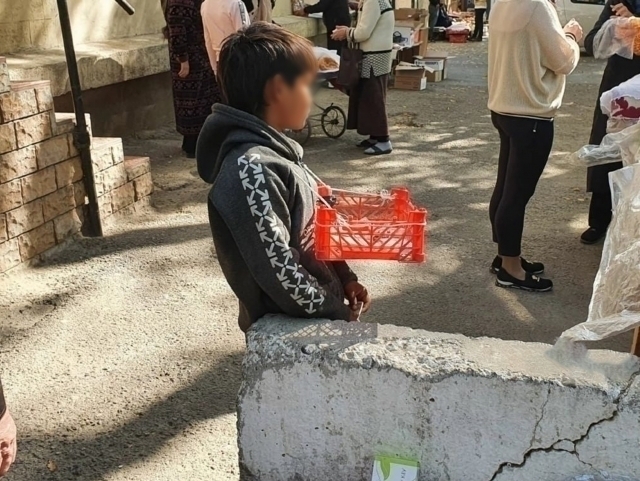
study conducted by the Children’s Ombudsman in Uzbekistan has found that some parents who engage their children in begging do so as a regular source of income, while in other cases, the family’s poor financial situation or lack of employment for both parents plays a major role.
The Children’s Ombudsman, along with the Ministry of Internal Affairs and the National Agency for Social Protection, is systematically analyzing cases of child exploitation through begging in different regions of the country. Their findings indicate that some parents treat begging as a profession, while others do so due to economic hardship or unemployment.
A significant concern raised in the report is that many children engaged in begging are deprived of compulsory education. Parents found guilty of forcing children into begging have been held accountable according to the law.
To prevent children from falling into begging again, "Inson" social service centers in each region are actively working with families to assess their social support needs and evaluate their level of care for their children. Authorities are also monitoring families at high risk of poverty to provide essential social assistance while ensuring children’s right to education.
Earlier, in Tashkent’s Mirobod district, a woman was found using her three children—aged 10, 5, and 3—for begging instead of providing them with a healthy life and education. She was charged under the Administrative Code for minor hooliganism, illegal begging, and refusal to comply with police orders, and her children were placed under social and legal protection.

Live
AllRossiyada o'z chaqalog'ini tashlab, qochib ketgan ayol bolasi bilan O'zbekistonga qaytarildi
26 December
Shavkat Mirziyoev o'zining oldingi va rahbarlarning hozirgi maoshida katta farq borligini aytdi
26 December