“Ўзтест” маркази тугатилади
Local
−
12 February 12253 3 minutes
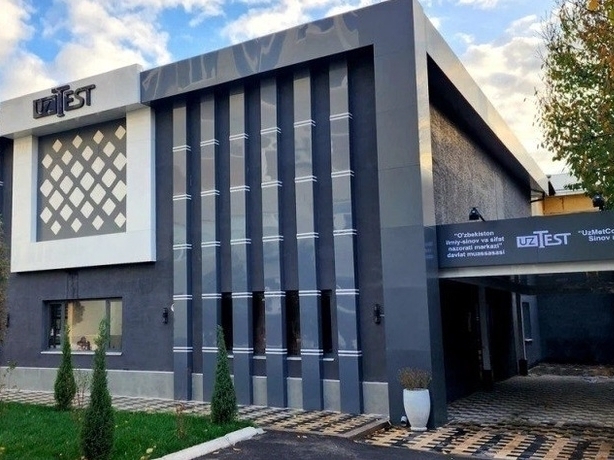
“Ўзтест” марказини тугатилади ва Аккредитация маркази Вазирлар Маҳкамаси бўйсунувига ўтказилади. Бу ҳақда бугун, 12 февраль куни Президент Шавкат Мирзиёев техник тартибга солиш соҳасини халқаро талаблар асосида тубдан янгилаш юзасидан тақдимот билан танишиши чоғида маълум қилинди.
Қайд этилишича, сўнгги тўрт йилда миллий стандартларнинг ярми халқаро талабларга тўлиқ уйғунлаштирилган. Мамлакат аккредитация тизими 185 та давлат орасида 29-ўринни эгаллаган. Миллий лабораториялар натижалари Германия, Корея ва Япония каби 37 та давлат томонидан тан олина бошлаган.
Шу билан бирга, хавф даражаси юқори бўлган 156 та товар позициясини мажбурий давлат рўйхатидан ўтказиш бекор қилинган. Мажбурий сертификатдан ўтадиган товарлар позицияси 27 фоизга қисқарган.
Бу туфайли соҳада адолатли рақобат муҳити шакллангани, ортиқча оворагарчилик камайганини тадбиркорларнинг ўзи ҳам тан олмоқда.
Шу билан бирга, соҳада ҳали ечимини кутаётган масалалар кўплиги таъкидланган. Жаҳон савдо ташкилотига аъзо бўлиш жараёнида биринчи навбатда техник тартибга солиш тизими тўлиқ халқаро талабларга мос бўлиши шартлиги қайд этилган.
Аввало, маҳсулотни баҳолашда корхона фаолиятини текшириш амалиёти тадбиркорлар норозилигига сабаб бўлаётгани кўрсатиб ўтилган. Амалдаги тартибга кўра, талабга жавоб бермайдиган маҳсулот аниқланганда, унинг айланмаси эмас, уни ишлаб чиқарган тадбиркорнинг фаолияти чекланмоқда.
Ривожланган давлатлар тажрибасида хавф-таҳлилга асосланган бозор назорати тизими амал қилади. Бунда ишлаб чиқарувчи маҳсулот мувофиқлигини декларациялаш орқали барча масъулиятни ўз зиммасига олади, сифат ва хавфсизликни кафолатлайди.
Шу муносабат билан мамлакатда давлат назоратидан босқичма-босқич воз кечилиб, бозор назорати тамойилларига ўтилади. Бунинг учун “Бозор назорати тўғрисида” алоҳида қонун лойиҳаси ишлаб чиқилган.
Эскирган стандартлар ва самарасиз техник регламентлардан воз кечиш ва тўлиқ халқаро стандартларга ўтиш зарурлиги кўрсатиб ўтилди. Ҳозирда 33 мингдан ортиқ стандарт мавжуд бўлиб, уларнинг 50 фоизи эскирган ёки халқаро талабларга мос эмас.
Шу боис, 6 та техник регламент бекор қилинади, 29 таси қайта кўриб чиқилади. Жорий йилда 4 минг 460 та, келгуси йилда 2,5 мингдан зиёд, 2028 йилда эса 817 та халқаро стандартни қабул қилиш мақсад қилинган.
2026 йил 1 июлдан тўқимачилик, чарм, мебель, электротехника, автомобилсозлик, ахборот технологиялари, 2027 йилдан бошлаб нефть-газ, металлургия, транспорт, қурилиш маҳсулотлари, тиббий буюмлар, 2028 йилдан бошлаб эса энергетика, кимё, экология ва хизмат кўрсатиш соҳаларида ишлаб чиқариш ва хизмат кўрсатишни тўлиқ халқаро стандартлар асосида ташкил этиш режалари маълум қилинган.
Сертификация жараёнини янада соддалаштириш зарурлиги қайд этилган. Ҳозирги мураккаб тизим таннарх асоссиз ошишига, бюрократия ва коррупцияга шароит яратаётгани кўрсатиб ўтилган. Хавф-таҳлил асосида баҳолаш тизими жорий этилиб, қолган товар позициялари бўйича ҳам мажбурий сертификатлашни бекор қилиш ва босқичма-босқич декларациялашга ўтказиш таклиф қилинган.
Умуман, “Маҳсулотнинг умумий хавфсизлиги тўғрисида”ги қонун лойиҳасини қабул қилиш мақсадга мувофиқ экани таъкидланган.
Соҳада институционал ўзгаришлар амалга оширилади. Техник тартибга солиш агентлиги таркибидаги ташкилотлар “Ўзтест” марказини тугатиш ва Аккредитация марказини Вазирлар Маҳкамаси бўйсунувига ўтказиш орқали 5 тадан 3 тага қисқартирилиши белгиланган.
“Синов ва сертификатлаш хизматларини тўлиқ хусусий секторга бериш таклиф қилинди. Айни пайтда хусусий секторда барча соҳаларни қамраб олган 207 та синов лабораторияси ва 73 та сертификатлаш идораси фаолият юритмоқда. Соғлом рақобат муҳитини шакллантириш мақсадида Англиянинг “Intertek”, Швециянинг “SGS” Франциянинг “Bureau Veritas”, Германиянинг “TÜV” каби етакчи халқаро компаниялари жалб қилинади”, дейилади хабарда.
Тақдимотда “СUz” миллий мувофиқлик белгисини жорий этиш, аккредитация органининг мустақиллигини таъминлаш, синов лабораториялари фаолиятини рақамлаштириш, метрология тизимини ислоҳ қилиш ҳамда эталон базасини кенгайтириш масалалари ҳам кўриб чиқилган.
Давлат раҳбари билдирилган таклиф ва ташаббуслар юзасидан тадбиркорларнинг фикр-мулоҳазаларини тинглаган ҳамда янги тизимни жорий қилиш бўйича мутасаддиларга аниқ топшириқлар берди.

Live
All