Сенат шошмашошарлик меваси бўлган қонунни рад этди
Жамият
−
28 Декабрь 2022 22991 3 дақиқа
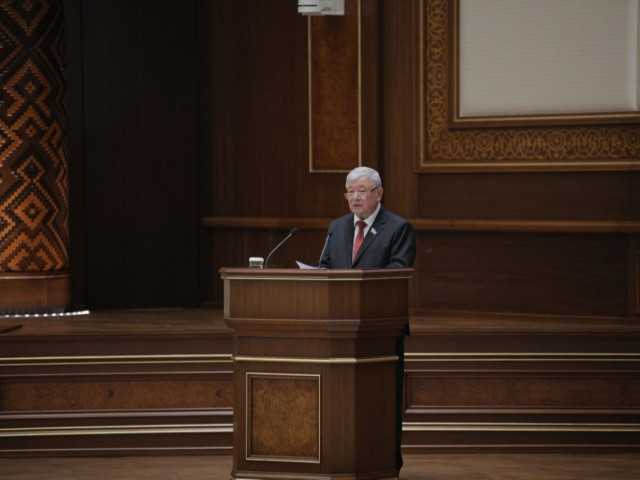
Сенатнинг ўттиз олтинчи ялпи мажлисида “Ҳуқуқбузарликлар профилактикаси тўғрисида”ги Қонун қатор камчиликлари ва уни тайёрлашда шошмашошарликка йўл қўйилгани сабаб рад этилди.
Мазкур Қонун Ички ишлар вазирлиги томонидан ҳуқуқбузарликлар профилактикасига оид давлат сиёсатини самарали рўёбга чиқариш, мазкур жабҳадаги муносабатларни тўлиқ тартибга солишни таъминлаш мақсадида ишлаб чиқилган.
Қонун 8 та боб ва 88 та моддадан иборат бўлиб, Сенатнинг Мудофаа ва хавфсизлик масалалари қўмитаси томонидан соҳа мутахассислари, экспертлар, олимлар иштирокида ўтказилган муҳокамалар уни қайта кўриб чиқиш лозимлиги тасдиқлаган.
Сенаторларнинг билдиришича, Қонундаги қатор нормалар амалдаги бошқа қонунлар, жумладан ҳуқуқбузарликлар профилактикаси билан бевосита ёки билвосита боғлиқ бўлган қоидаларга номувофиқ, ҳатто баъзи ўринларда зид ва қарама-қаршидир.
Хусусан, Қонуннинг 19-моддасида соғлиқни сақлаш муассасаларининг ҳуқуқбузарликлар профилактикаси соҳасидаги ваколатлари сифатида вояга етмаган шахслар ўртасида алкоголь ва тамаки маҳсулотлари, истеъмол қилинишининг профилактикасига доир чора-тадбирларни ишлаб чиқиш ва амалга ошириш, алкоголь таъсирида маст ҳолатда бўлган вояга етмаган шахсларни кеча-кундуз қабул қилиш ва уларга тиббий ёрдам кўрсатиш белгилаб берилмоқда.
Ялпи мажлис давомида муҳокама қилинган бошқа бир яъни, “Алкоголь ва тамаки маҳсулотларининг тарқатилишини ҳамда истеъмол қилинишини чеклаш тўғрисида”ги Қонунда эса йигирма бир ёшга тўлмаган шахслар тўғридан-тўғри таъсир этиш субъектлари сифатида белгиланган.
Ҳар иккала қонундаги мазкур ўзаро номувофиқлик бартараф этилиши зарурлигига, яъни вояга етмаганлар ва йигирма бир ёшгача бўлган шахслар билан боғлиқ муносабатларга ҳар иккала қонунда ягона ва мақбул ёндашувни ифода этиш лозимлиги қайд этилди.
Иккинчидан, Қонуннинг 3-моддасида “вояга етмаган назоратсиз шахс” тушунчасига вояга етмаган шахснинг ота-онаси ёки бошқа қонуний вакиллари уни таъминлаш, тарбиялаш ва унга таълим бериш бўйича ўз мажбуриятларини бажаришдан бўйин товлаганлиги ёки уларни лозим даражада бажармаганлиги оқибатида хулқ-атвори назоратсиз қолган, вояга етмаган шахс деб таъриф берилмоқда.
Конституциянинг 64-моддасида ота-оналар зиммасига ўз фарзандларини вояга етгунларига қадар боқиш ва тарбиялаш мажбурияти юклатилган. Шу боисдан Қонунда вояга етмаган назоратсиз шахс бўйича берилаётган тушунчанинг Конституциянинг 64-моддасига мувофиқлигини қайта кўриб чиқиш зарурлиги таъкидланди.
Учинчидан, Қонуннинг 43-моддасида расмий огоҳлантиришнинг шакли Адлия вазирлиги томонидан тасдиқланиши қайд этилмоқда. Амалдаги нормаларда эса, расмий огоҳлантиришнинг шакли Вазирлар Маҳкамаси томонидан тасдиқланиши белгиланган. Бироқ, Қонунда ушбу ваколатнинг нима учун Ҳукуматдан вазирликка олиб бериш кўзда тутилаётганини мутахассислар ҳам, қонун ташаббускорлари ҳам дастлабки муҳокамаларда асослаб бера олмаган. Ҳолбуки, бундай ёндашув тенг мақомдаги вазирлик ва идоралар учун бир вазирлик томонидан умуммажбурий бўлган процессуал ёки расмий тусга эга ҳужжат шакли тасдиқланишига олиб келиши устувор нормаларга мутлақо зиддир.
Қолаверса, Қонуннинг 32-моддасида Бош прокуратура ҳуқуқбузарликлар профилактикасига доир фаолиятни мувофиқлаштирувчи ягона давлат органи этиб белгиланмоқда.
Сенаторлар томонидан мазкур Қонун жиддий қайта кўриб чиқишга муҳтож ва унинг ҳозиргидек ҳолатда маъқулланиши амалиётда самарадан кўра, кўпроқ муаммо туғдириши таъкидланди.

Live
БарчасиЖиззахда 10 ёшли қиз зўрланди
06 Октябрь