Покистон ва Афғонистон уруш ёқасида: зиддиятнинг сабаблари, бугуни ва тарихи
Таҳлил
−
13 Октябрь 2025 12108 10 дақиқа
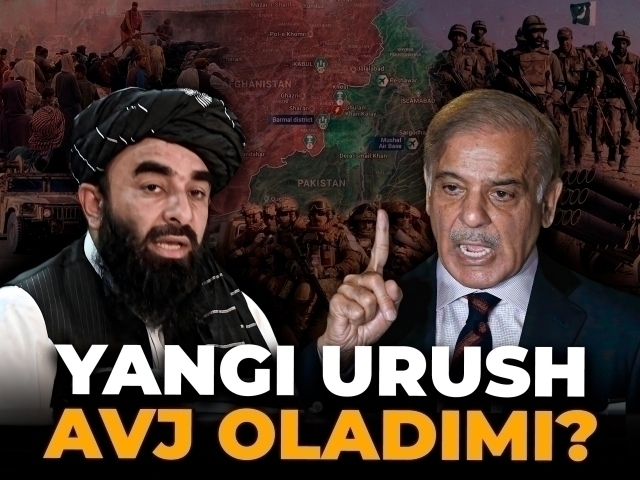
Покистон ва Афғонистон қўшинлари ўртасида сўнгги кунларда бир нечта чегаравий ҳудудларда қуролли тўқнашувлар содир бўлиб, вазият кескинлашди. Икки томон бир-бирининг чегара постларига ҳужум қилгани, ҳатто айрим пунктларни эгаллаб олгани ҳақида қарама-қарши баёнотлар бермоқда. “Толибон” ҳукумати вакили Забиҳуллоҳ Мужоҳиднинг айтишича, афғон кучларининг жавоб зарбаларида Покистоннинг 50 дан ортиқ аскари йўқ қилинган. Покистон расмийлари эса 23 нафар аскар ҳалок бўлганини тасдиқлаб, жавоб тариқасида 200 га яқин “Толибон” кучлари аскари ва террорчи йўқ қилингани ҳамда бир неча чегара постлари вайрон этилганини даъво қилмоқда. Воқеалар ривожи шуни кўрсатмоқдаки, қўшни давлатлар уруш ёқасида турибди.
Жорий йилнинг октябрь ойи ўрталарида Покистон ва Афғонистон чегара ҳудудларида бир неча кун давомида шиддатли отишмалар кузатилди. Тўқнашувлар “Дуранд чизиғи” деб аталувчи 2,600 километрдан зиёд чегаранинг турли нуқталарида бўлиб ўтди. Хусусан, Покистоннинг Хайбер-Пахтунхва вилояти таркибидаги Ангур Адда, Бажаур, Куррам, Дир ва Читрал туманлари ҳамда Балужистон вилоятидаги Баҳрам-Чаҳ атрофида жанглар бўлгани хабар қилинди. Афғонистон томони 25 га яқин покистонлик чегара постларини қўлга киритганини эълон қилди.
Покистон мудофаа тузилмалари бундай ҳужумларни “тинч аҳолига таҳдид солаётган ўта разил ҳаракат” дея қоралади ва ўзини ҳимоя қилиш учун қарши чоралар кўрилганини билдирди. Покистон армияси матбуот хизмати тарқатган баёнотга кўра, “чегарадаги ҳужум Покистон илгари суриб келган талабларини тасдиқлаган – “Толибон” ҳукумати террорчиларга бошпана бермоқда”. Баёнотда айтилишича, Покистон кучлари ҳужумни қайтариб, душманнинг 20 дан зиёд позицияларини қисқа муддатга эгаллаган ва Покистонга қарши ҳужумлар уюштириш учун фойдаланилган бир неча лагерларни ишдан чиқарган.
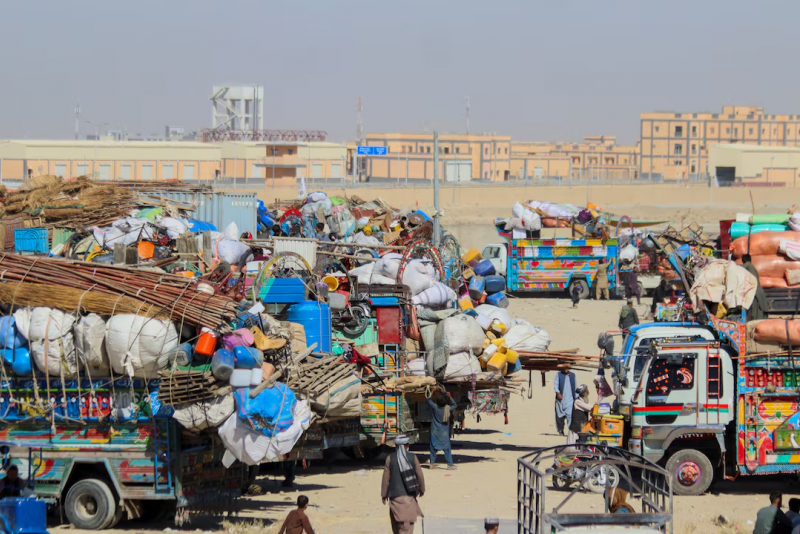
Тўқнашувлар асносида Торкҳам ва Чаман чегара ўтиш пунктлари вақтинча ёпилди. Афғонистондаги “Толибон” мудофаа вазирлиги чегарадош Кунар вилоятига танклар ва оғир қуроллар сафарбар этилганини маълум қилди. Ҳозирда отишмалар нисбатан тинди, бироқ Куррам каби баъзи чегара ҳудудлари аҳолиси ҳали-ҳануз бевақт ўқ овозлари эшитилаётгани ҳақида хабар бермоқда. Томонлар урушнинг кенгайиб кетмаслиги лозимлигини англаса-да, зиддият сабаблари бартараф этилмагани боис, вазият таранглигича қолмоқда.
Можарога нима туртки бўлди?
Чегарадаги ҳозирги тўқнашувларга тўғридан тўғри туртки бўлган ҳодиса – 9 октябрь куни Афғонистонда рўй берган портлашлардир. Ўша куни кечаси Қобул шаҳрида ва Афғонистоннинг Покистон билан чегарадош Пактика вилоятида кучли портлашлар содир бўлди. “Толибон” ҳукумати бу ҳодисаларни Покистон ҳарбий-ҳаво кучлари ҳужумлари деб атаб, Исломободни Афғонистоннинг суверен ҳудудига тажовуз қилганликда айблади. Покистон эса расмий баёнотларда бу портлашларга алоқадорлигини на тасдиқлади, на инкор қилди. Шу билан бирга, Исломобод Афғонистондаги “Теҳрик-э Толибон Покистон” (ТТП) жангари гуруҳига қарши қатъий чоралар кўришни талаб қилиб келаётганини яна бир бор эслатиб, Қобулни бу гуруҳ фаолиятини жиловлашга чақирди.
Покистон махфий хизматига таянилган хабарларга кўра, 9 октябрь туни Қобулда уюштирилган авиазарба аслида Покистонда террорчилик ҳаракатларини амалга ошираётган ТТП етакчиси Нур Вали Мақсудни йўқ қилишга қаратилган эди. Мақсуд ўша пайтда Қобул шаҳрида автомобилда ҳаракатланаётгани, ҳужум оқибатида ҳалок бўлгани ҳақида миш-мишлар тарқалди. Бироқ кейинчалик ТТП вакиллари Мақсуд омон қолганини билдирувчи аудио ва видеоёзувларни эълон қилди. Бу воқеадан бир кун ўтиб, Покистондаги ТТП жангарилари чегарага яқин Хайбер-Пахтунхва ҳудудида полиция ўқув марказига ҳужум уюштириб, камида 20 га яқин хавфсизлик ходимини ўлдирди.
Шундай қилиб, Покистон армияси Афғонистон ҳудудида фаолият олиб бораётган террорчиларни яксон қилмоқчи бўлган, “Толибон” ҳукумати эса буни ўз ҳудудий дахлсизлигига тажовуз деб қабул қилиб, кескин жавоб қайтарди. “Толибон” Мудофаа вазирлиги вакили Иноятулла Ховаразмийнинг маълум қилишича, чегара олдидаги қарши ҳужумлар “мутаносиб жавоб операцияси” бўлган ва ярим тунда тўхтатилган.
“Агар қарши томон яна Афғонистон ҳаво ҳудудини бузса, қуролли кучларимиз кучли жавоб қайтаришга тайёр”, дея огоҳлантирди Ховаразмий.
Можарога кенгроқ нуқтаи назардан қаралса, унинг бош сабаби “Теҳрик-э Толибон Покистон” (ТТП) жангари гуруҳи ва унинг фаолиятидир. ТТП ўзини Покистондаги “Толибон” деб атовчи, Покистон ҳукуматига қарши курашувчи қуролли гуруҳ бўлиб, узоқ йиллардан бери қонли хуружлар уюштириб келади. 2021 йилда “Толибон” ҳаракати Қобулда ҳокимият тепасига келганидан кейин ТТП янада фаоллашди. Покистон разведкаси маълумотларига кўра, ТТП жангчилари айнан Афғонистоннинг ичкарисида бошпана топиб, у ердан туриб Покистонга ҳужумлар режалаштирмоқда. БМТ Хавфсизлик Кенгашининг шу йил бошида эълон қилган ҳисоботида Афғонистон ҳудудида ТТПнинг тахминан 6,000–6,500 нафар жангариси борлиги қайд этилди.
“Энг хавотирли томони – Қобулдаги “Толибон” ҳукуматининг ўзи ТТПни террорчи ташкилот деб ҳисобламайди ва уларга нисбатан қатъий чора кўришни истамайди”, дейилади мазкур ҳисоботда.
Покистон эса сўнгги икки йил мобайнида Афғонистон расмийларидан бир неча бор “Теҳрик-э Толибон Покистон” (ТТП)га қарши қатъий чоралар кўришни талаб қилган.
“Бизнинг сабр-тоқатимиз тугади”, деган эди Покистон Мудофаа вазири Хавожа Асиф 2023 йил охирларидаги чиқишларидан бирида.
Унинг сўзларига кўра, агар Қобул ҳукумати жангариларни жиловламаса, Покистон ўзини ҳимоя қилиш учун Афғонистон ҳудудида ҳам зарур чора кўришга мажбур бўлади. Дарҳақиқат, 2022–2023 йиллар давомида Покистонда террорчилик хуружлари кескин ошди. Расмий статистикага кўра, фақат 2024 йилнинг ўзида ТТП жангарилари Покистон хавфсизлик кучларига қарши 440 дан ортиқ ҳужум уюштирган ва буларнинг оқибатида камида 680 киши ҳалок бўлган.
Исломобод назарида бу қирғинбарот ҳужумларнинг ортида Қобулнинг лоқайдлиги ёки яширин кўмагига таянаётган ТТП турибди.
Шу билан бирга, икки мамлакат ўртасидаги тарангликка қочқинлар масаласи ҳам ўз таъсирини ўтказмоқда. Покистон ҳукумати 2023 йил кузида мамлакатдаги ҳужжатсиз яшаётган барча хорижликларни, хусусан, сони миллиондан зиёд бўлган афғон муҳожирларини депортация қилиш режасини эълон қилди.
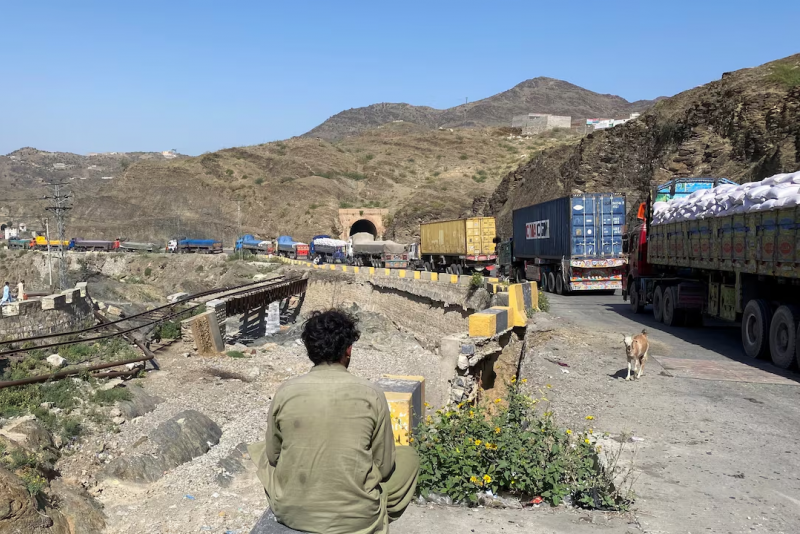
Афғонистондаги “Толибон” муваққат ҳукумати буни қаттиқ танқид қилиб, “бундай кескин чоралар биродар халққа нисбатан адолатсизлик” эканини айтди. Мутахассисларнинг фикрича, Исломободнинг бу қарори Қобул билан аллақачон совуқлашган муносабатларни баттар таранглаштирди.
Тарихий илдизлар ва муносабатлар ривожи
Покистон ва Афғонистон ўртасидаги бугунги зиддиятнинг илдизлари тарихнинг чуқур қатламларига бориб тақалади. ХIХ аср охирида Британия империяси чизган Дуранд чизиғи (чегараси) маҳаллий аҳоли – пуштун қабилаларини икки давлат ҳудудига ажратиб қўйган эди. 1947 йилда Покистон мустақилликка эришгач, Афғонистон ҳукумати Дуранд чизиғини расмий чегара сифатида тан олмаган ва Покистоннинг БМТга аъзо бўлишига қарши овоз берган ягона давлат бўлди. Қобул ўша даврда “Пуштунистон” деб аталган – Покистоннинг шимоли-ғарбий ҳудудларида яшовчи пуштун халқи мустақил бўлиши керак деган даъво билан чиқди. Бу эса янги қўшнилар ўртасида кескин дипломатик инқирозга сабаб бўлди. 1961 йилда низолар чуқурлашиб, ҳатто икки давлат чегарасини бир муддатга ёпиб қўйиш даражасигача борди.
Кейинчалик, 1979–1989 йилларда давом этган Собиқ Иттифоқнинг Афғонистондаги уруши пайтида Покистон Ғарб давлатлари билан бирга афғон мужоҳидларини қўллаб-қувватлади. Миллионлаб афғон қочоқлари Покистондан бошпана олди. Бу даврда Покистон ва Афғонистон муносабатлари расмий даражада ёмонлашган бўлсада, Покистон разведкаси Афғонистондаги советпараст ҳукуматга қарши кучларни (жумладан, кейинчалик “Толибон” ҳаракатига асос солган гуруҳларни) яширин равишда қуроллантириб борди. Натижада 1990 йилларда Афғонистонда “Толибон” ҳокимият тепасига келганда (1996 й.), Покистон янги ҳукуматнинг асосий тарафдорларидан бири бўлди – дунёда “Толибон Амирлиги”ни тан олган уч давлатдан бири айнан Покистон эди. Ўша пайтда Исломобод ва Қобул ўртасида илиқ алоқалар мавжуд эди.
2001 йилда АҚШ бошчилигидаги коалиция кучлари Афғонистонга кириб, “Толибон” режимини ағдаргач, вазият яна кескин ўзгарди. Покистон расмий иттифоқчи сифатида АҚШ тарафида турсада, Афғонистоннинг янги ҳукуматлари (Ҳамид Карзаи, Ашраф Ғани даврларида) Покистонни иккиюзламачиликда айблаб келди. Қобулдаги ҳукумат вакиллари Исломободни “Толибон” ва бошқа экстремист гуруҳларни ўз ҳудудида яширин равишда сақлаб, Афғонистонга қарши уруш олиб боришда ёрдам бермоқда деб қораларди. Дарҳақиқат, “Толибон” етакчилари, жумладан, марҳум Мулла Умар ёки “Ҳаққоний тармоғи” каби жангарилар гуруҳи йиллаб Покистоннинг қочқинлар лагерларида ёки чегарадош ҳудудларида паноҳ топгани ҳақида далиллар келтирилган.

2021 йил август ойида “Толибон” 20 йиллик урушдан сўнг такроран Афғонистонда ҳокимиятни эгаллади. Бу ҳодиса Покистон томонидан дастлаб эҳтиёткорлик билан олқишланди – Исломобод янги афғон ҳукуматидан чегарадаги хавфсизлик таҳдидларини бартараф этишда ҳамкорлик кутган эди. Аммо воқеалар бошқача тус олди: Қобулда ўзидек “Толибон” ҳукуматининг қўлга келиши Покистондаги ТТП жангариларини руҳлантириб юборди.
“Биз илгари Афғонистонда қандай ғалаба қозонган бўлсак, энди Покистонда ҳам шундай ғалаба қозонамиз”, дея баёнот берди ТТП раҳбарияти вакилларидан бири ўша пайтда.
Афсуски, икки қўшни ўртасида йиллар давомида шаклланган ишончсизлик муҳитида терроризмга қарши ҳамкорлик йўлга қўйилмади. Покистоннинг собиқ махфий хизмат раҳбарияти томонидан қўллаб-қувватланган “Толибон” энди Покистоннинг ўзига бошоғриқ бўлиб қолди.
Бугунги кунда тарихий иронияга гувоҳмиз: кечаги иттифоқчилар – Покистон армияси ва “Толибон” – бугун бир-бирига қарши саф тортмоқда. Афғонистон томони Покистонни ички муаммоларини афғон ери ҳисобидан ҳал қилмоқчи бўлишда айбласа, Покистон раҳбарияти “Толибон”ни террорчиларга бошпана бераётганликда қораламоқда.
“Уларда ядро қуроли борми-йўқми, бизни қизиқтирмайди”, дея кескин гапирди “Толибон” вакилларидан бири Покистоннинг ядровий давлат экани ҳақидаги огоҳлантиришларига қарши.
Бунга жавобан, Покистон ички ишлар вазири Муҳсин Нақвий Афғонистоннинг чегара олдидаги ҳужумларини қораларкан, “Афғонистон ўт ва қон билан ўйнамоқда”, дея баёнот берди.
Бундай кескин риторика ва тарихий ишончсизлик фонида можарони тезда ҳал этиш осон эмаслиги аён.
Покистон ва Афғонистон ўртасидаги ҳозирги қарама-қаршилик мураккаб тарихий, сиёсий ва хавфсизлик омиллари қоришмасидан келиб чиққан. Икки давлат расмийлари кескин баёнотлар бераётган бўлсада, кузатувчиларнинг таъкидлашича, томонлар тўлақонли урушга киришиб кетмасликка ҳаракат қилмоқда. Биринчидан, Покистон ядро қуролига, қудратли армияга эга бўлсада, ички терроризмга қарши кураш билан банд ва кенг кўламли уруш иқтисодий инқирозни чуқурлаштириши мумкинлигини яхши англайди. Иккинчидан, Афғонистонда “Толибон” ҳаракати узоқ йиллик партизан уруши тажрибасига эга, лекин уларнинг анъанавий оғир қуролли армияси ва ҳаво кучлари йўқ. Яъни, очиқ уруш Покистон устунлиги билан кечиши тайин, бу эса “Толибон” ҳукуматини ичкарида ҳам заифлаштириши мумкин.
Шу сабаб, можаро ҳозирча нисбатан чегараланган тўқнашувлар доирасида қолмоқда. Халқаро ҳамжамият, хусусан, Эрон, Саудия Арабистони, Қатар каби минтақа давлатлари ҳар икки томонни вазминликка ва муаммони музокара орқали ҳал этишга чақирмоқда. Томонлар ҳозирча ўт очишни тўхтатиш ва келишувга эришиш масаласида ошкора музокара бошламаган бўлса-да, дипломатик мулоқот каналлари ёпилгани йўқ. Эрон Ташқи ишлар вазири Аббос Ароқчи Афғонистон ва Покистон ўртасидаги барқарорлик бутун минтақа манфаатларига мос келишини айтиб, зудлик билан можарони тинч йўл билан ҳал этишга ундади.
Келгусида зиддият қандай ривожланиши кўп жиҳатдан ТТП муаммосининг ҳал этилишига боғлиқ. Агар Қобул ва Исломобод ўзаро келишиб, ТТПга қарши биргаликда кураш чораларини топмаса, чегара ҳудудларидаги беқарорлик давом этаверади. Бироқ ишонч муҳитини тиклаш ва тарихий зиддиятларни бартараф этиш осон эмас. Айни пайтда ҳар икки томон ҳам кенг кўламли урушнинг фалокатли оқибатларини англаб, можарони жиловлашга интилмоқда.
Таҳлилчиларнинг фикрича, Покистон ва Афғонистон уруш ёқасида турган бўлсада, уни олдини олиш имкони ҳали мавжуд. Бунинг учун, аввало, барча баҳсли масалалар – чегара хавфсизлиги, террорчиликка қарши кураш, қочқинлар муаммоси – бўйича очиқ мулоқот зарур. Қўшни халқларнинг тинчлиги ва хавфсизлиги икки ҳукуматнинг сиёсий иродасига, музокаралар муваффақиятига боғлиқ. Айни дамда дунё ҳамжамияти диққат-эътибори Ғазо, Украина каби инқирозларга қаратилган бир пайтда, Жанубий Осиёнинг ушбу икки қўшни давлати ўртасида бошланиб кетиши мумкин бўлган уруш ҳам минтақа барқарорлигига жиддий таҳдид солиши мумкин. Шундай экан, Покистон-Афғонистон можаросини бартараф этиш нафақат икки давлат, балки бутун минтақа ва халқаро ҳамжамият манфаатига хизмат қилиши аниқ.
Бекзод Пўлатов

Live
БарчасиЖиззахда 10 ёшли қиз зўрланди
06 Октябрь
Сергелидаги масжидга ўт кетди
03 Октябрь