Пиёз нархи нега ошиб кетди? Вазирлик муносабат билдирди
Жамият
−
11 Апрель 2025 14386 2 дақиқа
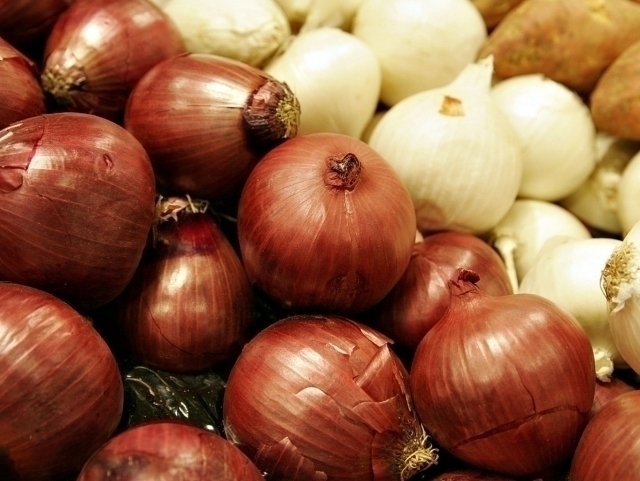
Сўнгги кунларда ижтимоий тармоқлар ва айрим ахборот сайтларида Ўзбекистонда эрта пишар пиёз нархи қимматлашгани юзасидан бир қатор хабар ва янгиликлар тарқалди. Мазкур хабарлар юзасидан Қишлоқ хўжалиги вазирлиги муносабат билдирди.
Қайд этилишича, 2024 йилда май-июнь ойларида пиёзнинг нархи 500-1000 сўмга тушиб кетгани сабабли жорий йилда Жиззахда 5 минг гектар, Навоийда 6,7 минг гектар, Наманганда 8,4 минг гектар, Самарқандда 14 минг гектар, Сурхондарёда 2,6 минг гектар, Сирдарёда 2,8 минг гектар, Тошкентда 2,6 минг гектар, Хоразмда 7,6 минг гектар кам пиёз экилган.
Шунга қарамасдан, республикада жорий йил жами 1 млн 412 минг тонна пиёз етиштирилиши кутилмоқда. Бу ўтган 2024 йилга нисбатан 12 минг тоннага кўп.
Таққослаш учун: 2024 йил 1 апрелда янги пиёз нархи 5-6 минг сўмни ташкил этган бўлса, 7 апрелда пиёз нархи 3-3,5 минг сўмгача тушган. Жорий йил 1 апрелда янги пиёз 7-8 минг сўмни ташкил этган бўлса, бугунги кун ҳолатига нарх 4-5 минг сўмгача арзонлашган.
Шунингдек, 2024 йил ҳосилдан захирага олинган 121 минг тонна пиёзнинг 75 минг тоннаси шу кунгача ички истеъмол бозорига савдога чиқарилган, қолган 46 минг тонна пиёз бугунги кунда 2-3 минг сўмдан сотилмоқда.
Пишиш даврига қараб жорий йилнинг 15 апрелидан пиёз нархи 2-2,5 минг сўмгача арзонлашиши кутилмоқда. Бундан ташқари, апрель ойининг 2-3-декадалари 70 минг тонна, май ойида эса 90 минг тоннадан ортиқ пиёз пишиб етилиши кутилмоқда.
“Қишлоқ хўжалиги вазирлиги юртдошларимизга ҳар бир мавсумда қишлоқ хўжалиги экинларининг илк етилган палласида нархлар ошиши кузатилиши, бу вақтинча ҳолат бўлиб, тез орада ўзгариш тенденциясига эгалигини эслатиб ўтади”, дейилади муносабатда.
Билдирилишича, баъзи ҳудудларда деҳқонлар одатдагидан ортиқ маблағ талаб этувчи инновацион агротехник тадбирларни қўллаш орқали ўз маҳсулотини одатдагидан 10-15 кун аввал етиштириб бозорга чиқаради. Табиийки бу қишлоқ хўжалиги маҳсулотларига бўлган талабнинг ўзига хослигини келтириб чиқариш билан бирга бозор тамойилларига мувофиқ нарх белгиланишига омил бўлади.
“Шу боис Қишлоқ хўжалиги вазирлиги юртдошларимиздан ижтимоий тармоқларда тарқалаётган асоссиз маълумотларга эътибор бермасликни, ижтимоий тармоқ фаоллари, блогерлар ва журналистлардан эса ҳеч қандай илмий ва иқтисодий асосларга эга бўлмаган гап-сўзларни ҳақиқат деб қабул қилмасдан фақатгина расмий манбаларга таянган ҳолда иш тутишларини сўраб қолади”, дейилади вазирлик муносабатида.

Live
БарчасиЖиззахда 10 ёшли қиз зўрланди
06 Октябрь
Сергелидаги масжидга ўт кетди
03 Октябрь