Xorazmda turizm rivojlanishi uchun eng katta to‘siq nimaligi aytildi
Jamiyat
−
02 May 2025 7906 4 daqiqa
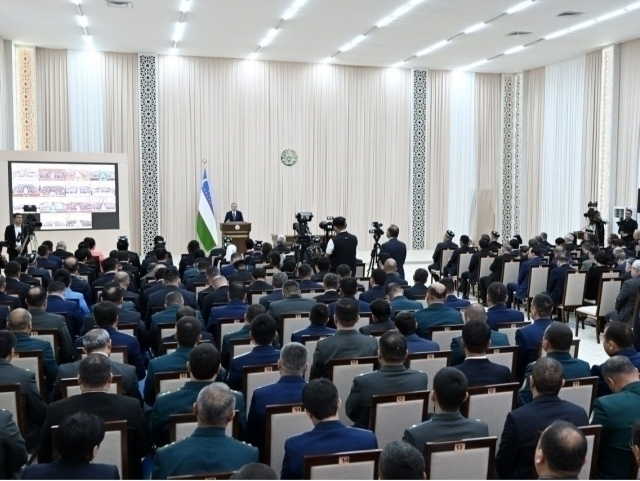
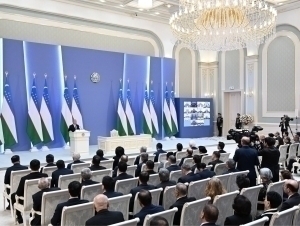
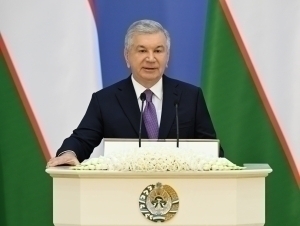
O‘zbekistonda turizm eksporti salohiyati 10 milliard dollar bo‘lsa, shuning 2 milliard dollari aynan Xorazmga to‘g‘ri keladi. Lekin bu to‘liq ishga solinmayapti. O‘tgan yili faqat 1,3 million xorijiy turist kelgan va eksport 400 million dollarga ham yetmagan. Bu haqda bugun, 2 may kuni Prezident Shavkat Mirziyoyev raisligida Xorazm viloyatini ijtimoiy-iqtisodiy rivojlantirishning ustuvor vazifalariga bag‘ishlangan yig‘ilishda ma’lum qilindi.
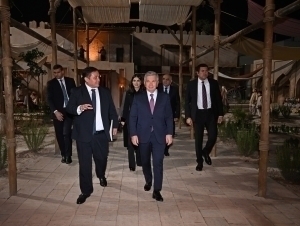
Yig‘ilishda mas’ullarda Xorazmni mintaqadagi yetakchi turistik markazlardan biriga aylantirish uchun imkoniyatlar yetarli ekani qayd etildi. Viloyatda jami 263 ta madaniy meros ob’ekti mavjud. Bundan samarali foydalanib, turizm xizmatlarini tashkil etayotgan tadbirkorlar ko‘p. Lekin, Xiva shahri, Xiva va Yangiariq tumanlari hokimlari salohiyati yuqori 14 ta ob’ektni tadbirkorlar bilan turistik maskanga aylantirish bo‘yicha ishlamayotgani ko‘rsatib o‘tildi.
Qayd etilishicha, Xorazmdagi ko‘plab madaniy yodgorliklar hali o‘rganilmay turibdi. Hazoraspdagi “Sulaymon qal’a”, Bog‘otdagi “Qalajik qal’a” kabi tarixiy maskanlar, Yangiariqdagi “Xon bog‘i”, “Olma otishgan qal’a” tarixiy ob’ektlari haqida ma’lumot kam. Shu maqsadda tashkil etilgan O‘zbekiston tarixchilar jamiyatining Xorazm bo‘limi faoliyati davlat byudjetidan ta’minlanishi belgilandi. Mutasaddilarga chet eldan tajribali arxeologlarni jalb qilib, tarixiy obidalarni aniqlash va tiklash bo‘yicha amaliy ishlarni boshlash topshirildi.
Shuningdek, Xorazm va Qoraqalpog‘iston hududidagi 8 ta qadimiy qal’alarni o‘zaro bog‘lovchi to‘rt kunlik “Qal’a tur” marshruti ishlab chiqiladi. Ushbu qal’alar atrofida master-reja asosida xizmat ko‘rsatish ob’ektlari ishga tushiriladi.
Shu bilan birga, viloyatda gastronomik turizmni rivojlantirish uchun ham katta salohiyat borligi ta’kidlandi. “Arda Xiva” majmuasiga viloyatlardan bittadan restorator olib kelish, Xiva shahrining Mevaston va Gazchi mahallalarida bir necha restoranlardan iborat 2 ta zamonaviy “fud-kort” tashkil qilish muhimligi qayd etildi.
Bundan tashqari, milliy taomlarimizni xorijda tanitayotgan restoratorlar qo‘llab-quvvatlanadi. Mutasaddilarga xorijda o‘zbek restoranlarini tashkil qilishda ro‘yxatdan o‘tish, ruxsatnoma va faoliyatini yo‘lga qo‘yish bilan bog‘liq xarajatlarning bir qismini qoplab berishni yo‘lga qo‘yish topshirildi.
Xorazmda 40 dan ortiq hunarmandchilik yo‘nalishlari rivojlangan bo‘lib, sayyohlar mahsulot tayyorlash jarayoniga ham qiziqadi. Shu munosabat bilan Mevaston mahallasida 6 gektar yerda Hunarmandchilik markazi tashkil etiladi. Har yili hunarmand shogirdlarni tayyorlashga 1 milliard so‘m ajratib boriladi.
Viloyatda birorta xalqaro brendli mehmonxona yo‘qligi ko‘rsatib o‘tildi. Xorazmda yangi qurilgan mehmonxonalarni subsidiyalash davom ettirilishi belgilandi. Buning hisobiga yil yakunigacha 2,5 ming o‘rinli 40 ta mehmonxonani ishga tushirish, shundan kamida 2 tasi brend mehmonxona bo‘lishi шартлиги qayd etildi.
Sayyohlar issiq kunlarda viloyatda suzish havzalari yetishmasligini aytishadi. Shu bois mehmonxona va ko‘ngilochar maskanlar hududida basseyn qurish xarajatining bir qismi ham qoplab beriladi.
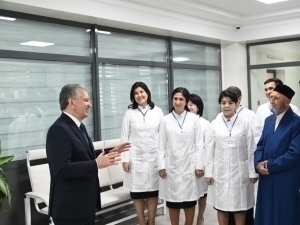
Xorazmda xitoy, arab, yapon, ispan tilini biladigan gid, ofitsiant, savdo va servis xodimlariga ham talab oshmoqda. Gid-ekskursavodlar asosan ingliz, rus va fransuz tillarida xizmat ko‘rsatadi. Ko‘rsatilayotgan xizmatlar sifati, xodimlarning etikasi bo‘yicha ham savollar ko‘pligi qayd etildi.
Shuning uchun Xiva turizm texnikumida yiliga 100 nafar gid, yana shuncha servis xodimini kamida 5 ta talab yuqori tilga o‘qitish zarurligi ta’kidlandi.
Xorazmda turizmning jadal rivojlanishi uchun eng katta to‘siq, bu – transport ekani qayd etildi. Urganchga Rossiya, Turkiya, Italiya, Ispaniya va Fransiyadan aviaqatnovlar qo‘yilgani natija berdi. Lekin, reys yo‘qligi uchun Germaniya, Xitoy, arab davlatlaridan minglab turist yo‘qotilyapti.
Mutasaddilarga Frankfurt, Urumchi, Pekin, Abu-Dabidan to‘g‘ridan-to‘g‘ri reys qo‘yish taklifini kiritish, turistik mavsumda Istanbuldan kunlik qatnovni yo‘lga qo‘yish topshirildi.
Urganch aeroporti Koreyaning Inchxon aeroportiga xususiy sheriklikka berilmoqda. Ushbu aeroport milliy me’morchilik an’analariga mos holda rekonstruksiya qilinadi.
Mas’ullarga ishlar boshlanishini kutib o‘tirmasdan, Koreya aviakompaniyalarini jalb qilish, samolyot va aeroportdagi servis xodimlarini malaka oshirish uchun Koreyaga yuborishni boshlash, yangi o‘quv yilidan Xorazmdagi transport va servis texnikumlarida Koreya tajribasi asosida kadr tayyorlashni yo‘lga qo‘yish topshirildi.

Live
Barchasi26 Oktyabr
26 Oktyabr