Қирғизистон сертификатларни Ўзбекистонга сотганларни кечирмоқчи эмас
Олам
−
15 Сентябрь 2025 13538 3 дақиқа
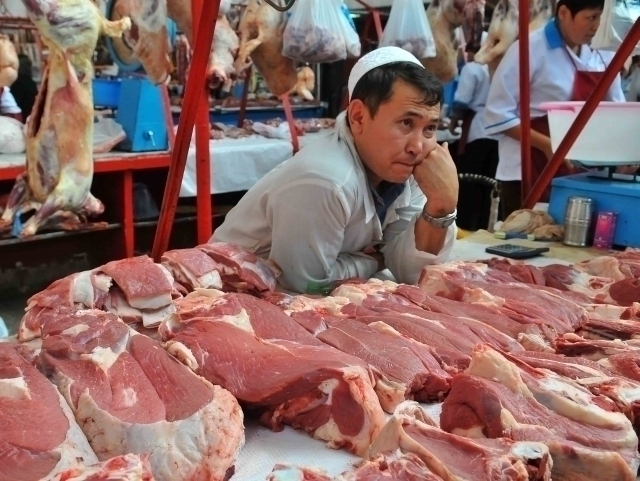
Қирғизистон Давлат солиқ хизмати раиси Алмамбет Шиқмаматов қорамол учун сертификатларни оммавий равишда олиб, Ўзбекистонга сотганларнинг қарзини кечира олмаслигини айтди. Бу ҳақда у парламент Бюджет ва фискал сиёсат қўмитасининг бугун, 15 сентябрь куни бўлиб ўтган йиғилишида сўз очди.
Унинг сўзларига кўра, жорий йил ёзда депутатлар Давлат солиқ хизмати кўплаб фермерларнинг қарзларини кечиришини айтган. Депутатлар чорвачилик билан шуғулланаётган йирик қарзга эга фермерларнинг қарздорлигидан кечиб, солиқдан озод қилишни сўраган.
“Гўшт нархи кескин кўтарилгани сабабли Миллий хавфсизлик давлат қўмитаси Алабук, Жалолобод ва Боткенда текширувларни бошлади. Натижада Қишлоқ хўжалиги вазири ўринбосари ва давлат хизматчилари ҳибсга олинди. Шунингдек, ушбу схемаларга алоқадор бўлган барча ширкат раҳбарлари ҳам ҳибсга олинган”, деди у.
Шиқмаматов улар Қишлоқ хўжалиги вазирлиги департаментидан сертификатларни оммавий равишда сотиб олиб, Ўзбекистонга сотаётганини эслади ва уларни кечира олмаслигини айтди.
“Биз уларни солиқдан озод қила олмаймиз, терговнинг ишига аралашиб билмаймиз”, дейди Давлат солиқ хизмати раҳбари.
Маълумот учун, сўнгги вақтларда Қирғизистонда гўшт нархлари 15-20 фоизга қимматлашгани кузатилган. Бу эса аҳолининг асосий эҳтиёжларидан бири бўлган гўшт маҳсулотларига бўлган киришни чеклаши мумкин. Нарх ошишининг асосий сабаби сифатида чорва ва гўшт маҳсулотларининг экспорти ортгани кўрсатилмоқда. Хусусан, катта ҳажмдаги жонли ҳайвонлар ва гўшт чет элга чиқарилаётгани ички бозорда таклифни камайтириб, нархга босимни оширган. Бундан ташқари, чегаралардан чорва маҳсулотларининг ноқонуний олиб чиқилиши – контрабанда ҳолатлари ҳам мавжуд бўлиб, бу жараён расмий назоратдан ташқарида кечаётгани сабабли муаммони чуқурлаштирган. Озуқа маҳсулотлари, хусусан, ем ва сомон нархининг ошгани чорва парваришини қимматлаштириб, ишлаб чиқарувчилар харажатларини кўпайтирмоқда. Бу ҳам ўз навбатида гўшт нархларига таъсир қилмоқда. Яйловларнинг қисқариши, қурғоқчилик, озуқа танқислиги эса чорва сонининг камайишига олиб келмоқда.
Шунингдек, бозорда оралиқ савдогарларнинг кўплиги нархларни сунъий равишда ошираётгани ҳам таъкидланмоқда. Улар баъзан гўштни омборларда сақлаб, танқисликни кучайтириш йўли билан кўпроқ фойда олишга уринади. Мавсумий талаб ҳам нархларга бевосита таъсир кўрсатади, айниқса, қиш ойларида ва байрамлар олдидан талаб ошади. Валюта курсининг ўзгариши ҳам муҳим омиллардан бири бўлиб, импорт қилинадиган ем, дори-дармон ва асбоб-ускуналарнинг қимматлашувига олиб келади. Буларнинг барчаси биргаликда нархлар барқарорлигини бузган ва ҳукуматни зудлик билан чоралар кўришга ундаган.
Эслатиб ўтамиз, аввалроқ мамлактнинг Сув ресурслари, қишлоқ хўжалиги ва қайта ишлаш вазирлиги Қирғизистонда гўшт нархига номаълум муддатга қадар давлат назорати ўрнатилишини маълум қилганди. Давлат назорати ўрнатилишидан мақсад – гўшт нархининг ошишига йўл қўймаслик, чорвани чегарадан олиб кириш ва олиб чиқишни назорат қилиш ҳамда экспортга сон жиҳатидан чеклов киритиш. Шу доирада тегишли хизматларга мамлакат ҳудудида гўшт нархини узлуксиз мониторинг қилиш, контрабанда билан курашиш бўйича аниқ топшириқлар берилган.

Live
БарчасиОҳангаронда ўқитувчи ўқувчини калтаклади
22 Октябрь