БМТ Каримов даврида қамалган Каримова ошхонада судланганини даъво қилмоқда
Review
−
10 July 2025 31115 10 minutes
8 июль куни Ўзбекистон Республикасининг Биринчи Президенти Ислом Каримовнинг тўнғич қизи собиқ Фонд форум Васийлик кенгаши раиси Гулнора Каримова 53 ёшни қаршилади.
Кўп йиллардан буён ҳибсда қолаётган ва қамалиши билан боғлиқ воқеалар ҳамон жамоатчилик учун сирли бўлган хоним Каримованинг яна бир ёшни қаршилаши ижтимоий тармоқларда аввалгидек табрикномалар орқали нишонланмади. Аксинча, унинг ўрнига тармоқда Бирлашган Миллатлар Ташкилотининг Ўзбошимчалик билан ҳибсга олишлар бўйича ишчи гуруҳининг ҳисоботидан муҳим тезислар тарқатилди. Ушбу тезисларни биринчи бўлиб Гулнора Каримованинг Англияда қолаётган ўғли Ислом Каримов ва қизи Имон Каримова Instagram’даги саҳифасига жойлаштирди. Хўш, бу ҳисобот нима ҳақида? Унда нима дейилган ва расмий Тошкентнинг жавоби қандай? Бугун шулар ҳақида гаплашамиз.
БМТнинг Инсон ҳуқуқлари кенгаши Ўзбекистоннинг Биринчи Президенти марҳум Ислом Каримовнинг тўнғич қизи Гулнора Каримова 2014 йилда ҳеч қандай ордерсиз ва тушунтиришларсиз, ўзбошимчалик билан ҳибсга олинган, деб ҳисобламоқда. Ҳисоботда айтилишича, унинг бирламчи суди 2015 йилда Тошкентда ўзи яшаётган уй ошхонасида ўтказилган, унга давлат томонидан тайинланган икки адвокат билан мулоқот қилиш имкони берилмаган, ошхонада ўтган судда Каримова 5 йилга уй қамоғига ҳукм қилинган. Каримова иши бўйича иккинчи суд 2017 йилнинг 18 декабрь куни Тошкент вилоят судида ёпиқ тарзда ўтган. Унга суд ҳукми устидан апелляция шикояти киритиш имконияти берилмаган. У суд ҳукми билан 10 йилга озодликдан маҳрум этилган ва 2018 йилнинг январида Тошкент вилоятидаги жазо колониясига ўтказилган. 2019 йилнинг сентябрида Гулнора Каримовага қарши учинчи жиноят иши қўзғатилиб, у 13 йил-у тўрт ойга озодликдан маҳрум қилинган.
Ишчи гуруҳ хулосасига кўра, барча суд жараёнлари ёпиқ ва ношаффоф ўтказилган, Гулнора Каримовага ўз ҳуқуқларини ҳимоя қилиш, айбловларни рад этиш имконияти берилмаган. Гувоҳлар ҳам сўроқ қилинмаган. Ишчи гуруҳ эса буни Инсон ҳуқуқлари умумжаҳон декларациясининг 3, 8, 9, ва 11-моддалари ва Сиёсий ҳамда фуқаролик ҳуқуқлари тўғрисидаги халқаро пактнинг 2, 9 ва 14-моддаларида кўзда тутилган ҳуқуқлари бузилган.
БМТ номидан гапирмайдиган мустақил экспертлар Ўзбекистон ҳукуматини қонунбузарликларни зудлик билан бартараф этишга ва халқаро ҳуқуқ талабига кўра Каримовага товон пули тўлашга чақирмоқда. Улар, шунингдек, унинг ҳибсга олиниши ҳолатлари мустақил тергов қилинишини талаб қилмоқда. “Айбдорлар жазоланиши керак”, демоқда экспертлар.
БМТ Ишчи гуруҳига шикоят Каримованинг Женевада жойлашган адвокатлари томонидан 2021 йилда берилган. Улар ўз мижозлари ҳуқуқларининг “тизимли равишда бузилиши”ни даъво қилган. Уларга кўра, Каримова биринчи судгача 18 ой уй қамоғида сақланган ва суд жараёнларининг ўзи ҳам “сохта бўлган”. Адвокатлар, шунингдек, Швейцария ва Ғарб суд органларини “адолатсизликни қонунийлаштиришда” айблади.
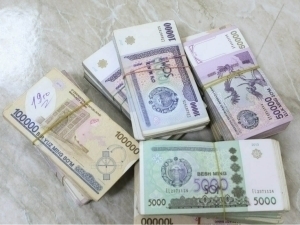
Айни пайтда, Швейцарияда Каримова йирик миқдордаги пул ювиш бўйича жиноий ишда айбланувчи сифатида қолмоқда. Швейцария Федерал прокуратураси унинг фаолияти ва бир қанча компаниялари вакилларининг фаолиятини текширмоқда. Иш доирасида 800 миллион Швейцария франки музлатилган.
Швейцария икки давлат ўртасидаги келишувга мувофиқ, ушбу маблағларнинг бир қисмини – қарийб 131 миллион долларни Ўзбекистонга қайтаришга рози бўлди. Узоқ давом этган суд жараёнларидан сўнг, 2021 йилда Федерал Жиноят суди ниҳоят Швейцария фойдасига яна 293 миллион франкни мусодара қилишга қарор қилди.
Ишчи гуруҳнинг хулосасида Каримова ва Швейцариядаги пул ювишга оид жиноят иши бир неча бор тилга олинган. Гарчи мазкур хулоса юридик кучга эга бўлмаса-да, ҳимоячилар ундан Швейцария прокурорларининг айбловларини шубҳа остига қўйиш учун фойдаланишлари мумкин.
Каримовага 2023 йилда Швейцария прокуратураси томонидан расман айблов қўйилган. Унга кўра, у Ўзбекистонда йирик телекоммуникация шартномаларини тақдим қилиш эвазига халқаро компаниялардан миллионлаб доллар пора олган. Прокуратура маълумотига кўра, ушбу иш доирасида 985 миллион АҚШ долларига тенг активлар – банк ҳисоблари, мулк, нақд пул ва қимматбаҳо буюмлар мусодара қилинган.
1796 йилда ташкил этилган ва Женевада жойлашган Lombard Odier банки 2012 йилда ўзининг собиқ ходимига алоқадор шубҳали операциялар ҳақида расмийларга хабар берган. Шу асосда тергов ишлари бошланган. Банк БМТ хулосасига изоҳ беришдан бош тортган.
БМТ ишчи гуруҳининг аввал оммага маълум бўлмаган хулосасига кўра, Каримова 2014 йилда, яъни ҳали отаси Президентлиги даврида Ўзбекистонда ордерсиз, ўзбошимчалик билан қўлга олинган. У ўзи яшайдиган уйнинг ошхонасида шошилинч равишда ўтказилган судда фирибгарлик ҳамда ўзлаштириш айбловлари билан судланган.
Каримованинг адвокатлари – Грегуар Манжа ва Фанни Маргайразнинг таъкидлашича, БМТ хулосаси Швейцария прокуратураси учун жиддий огоҳлантирувчи сигнал бўлиши керак. Чунки, уларга кўра, прокуратура ўз айбловларида Ўзбекистондаги “сохта ва адолатсиз суд қарорлари”га таянган.
Ишчи гуруҳ хулосасига кўра, Каримовага нисбатан муносабатлар унинг эркинлик, адолатли суд ва айбсизлик презумпцияси ҳуқуқларини бузган. Гуруҳ унинг айбдорлиги ёки айбсизлиги масаласига баҳо бермаган. Ўзбекистон Ҳукуматини эса Гулнора Каримованинг ҳуқуқий мақомини халқаро стандартларга мувофиқлаштириш, етказилган зарар учун тўлиқ компенсация тўлаш, фуқаролик ҳуқуқлари ва қонуний эркинликларини тўлиқ тиклашга чақирмоқда.
Албатта, бу чақирувлар ва Ишчи гуруҳнинг хулосаларига нисбатан Ўзбекистон Ҳукумати ҳам жим ўтирмади. Ҳукумат 10 банддан иборат жавоб баёнотини эълон қилди.
Биринчидан, Ҳукумат Ишчи гуруҳнинг фикри Манба томонидан тақдим этилган бир томонлама субъектив маълумотлар асосида шакллантирилгани, Ўзбекистон Ҳукуматининг бу борада расмий жавоби тақдим этилгани, аммо у расмий процессуал муддатлар туфайли эътиборга олинмаганидан ташвиш билдиради. Бундай ёндашув БМТ органлари амал қилиши зарур бўлган холислик ва беғаразлик принципларига путур етказади.
Иккинчидан, Ўзбекистон ўзаро ҳурмат, халқаро ҳуқуқ нормаларига риоя қилиш ва икки ёқлама стандартларга йўл қўймаслик тамойилларига асосланган мулоқот ва халқаро ҳамкорлик учун ҳамиша очиқ.
Учинчидан, Гулнора Каримовага нисбатан барча жиноий ишлар жиноят ва жиноят-процессуал қонунчилик нормаларига қатъий риоя қилган ҳолда, шунингдек, мамлакатнинг халқаро мажбуриятларини, жумладан, Фуқаролик ва сиёсий ҳуқуқлар тўғрисидаги халқаро пакт қоидаларини инобатга олган ҳолда қўзғатилган ҳамда кўриб чиқилган.
Тўртинчидан, ҳимояга бўлган ҳуқуқ ва одил судлов ҳуқуқи жиноят процессининг барча босқичларида таъминланган. Гулнора Каримова мустақил равишда танланган ёки белгиланган тартибда тайинланган ҳимоячиларга мурожаат қилиш ҳуқуқига эга бўлган. Жиноят ишига оид материаллар билан танишиш, қарорлар устидан шикоят қилиш ҳамда ҳимоячи билан мулоқотнинг махфийлиги тамойилига риоя қилинган.
Бешинчидан, Гулнора Каримова иши бўйича суд қарорлари ваколатли судлар томонидан оғир ва ўта оғир жиноятлар, жумладан, солиқларни тўлашдан бўйин товлаш, жиноий даромадларни легаллаштириш, давлат мулкини ғайриқонуний ўзлаштириш, фирибгарлик ва давлатга жуда катта миқдорда зарар етказган бошқа жиноятлар содир этилганлигини тасдиқловчи етарли далиллар асосида чиқарилган.
Олтинчидан, Каримованинг 2014 йилда гўёки ўзбошимчалик билан ҳибсга олингани, узоқ муддат уй қамоғида сақлангани, “ошхонадаги суд” ва бошқа шу каби даъволар асоссиздир. Барча процессуал ҳаракатлар ва суд муҳокамалари процессуал қонунчилик нормалари ва талабларига тўлиқ мувофиқ ҳолда ўтказилган. Ҳозирги вақтда маҳкума суд қарорлари устидан қонунда белгиланган тартибда шикоят қилиш ҳуқуқига эга.
Еттинчидан, Ўзбекистон Республикаси Ҳукумати мазкур иш бўйича сиёсий сабаблар мавжудлиги тўғрисидаги даъволарни қатъиян рад этади. Ҳуқуқни муҳофаза қилувчи ва суд органларининг барча ҳаракатлари фақат судланувчининг жиноий ҳаракатларни содир этишдаги айбини тўлиқ тасдиқловчи ҳуқуқий ва далилий жиҳатларга асосланган бўлиб, унинг қонуний иқтисодий фаолияти ва/ёки сиёсий мавқеи ёки қарашларига дахл қилмаган.
Сакизинчи бандда 2022 йилда Швейцария Конфедерацияси билан Ўзбекистон Республикаси Ҳукумати ўртасидаги Битим доирасида Гулнора Каримова илгари жиноий йўл билан орттирган ва қайтарилган молиявий маблағлардан Ўзбекистон Ҳукуматининг ислоҳотлар дастурини қўллаб-қувватлаш ва БМТнинг Барқарор ривожланиш мақсадларига эришиш учун фойдаланиш мақсадида “Vision 2030” жамғармаси ташкил этилгани таъкидланган. Жамғарма бошқаруви БМТнинг Кўп томонлама шериклик траст жамғармаси орқали амалга оширилаётгани урғуланган.
Тўққизинчи бандда айтилишича, Ўзбекистон инсон ҳуқуқлари соҳасидаги халқаро мажбуриятларини виждонан бажариб келмоқда ва БМТ механизмлари, жумладан, махсус тартиб-таомиллари билан конструктив мулоқотни қўллаб-қувватлашга тайёр.
Ўнинчи бандда эса аниқ-тиниқ билдирилишича, Ҳукумат халқаро тузилмаларда ўз обрўсини ҳимоя қилиш, шунингдек, ишончли ахборотни манфаатдор томонларнинг кенг доирасига тушунтириш бўйича кейинги қадамларни қўйиш ҳуқуқини ўзида сақлаб қолади.
Жорий йил бошига қадар Гулнора Каримова Тошкент вилояти Зангиота туманидаги 21-сон аёллар учун ихтисослаштирилган колонияда сақланган эди. QALAMPIR.UZ'га маълум маълумотларга кўра, 2025 йил январь ойида Каримова Зангиота туманидаги 42-сонли манзил-колонияга ўтказилган.
Унга қўйилган айбловларга назар ташласак, Каримова Жиноят ишлари бўйича Тошкент вилояти судининг 2017 йил 18 декабрдаги ҳукми билан 10 йилга озодликдан маҳрум қилинган.
Бош прокуратуранинг 2017 йилда берган маълумотларига таянадиган бўлсак, унда Каримовага 2013 йил 24 октябрда бир нечта МЧЖ фаолиятида солиқларни тўлашдан бўйин товлаш ҳолатлари бўйича жиноят иши қўзғатилгани, мазкур жиноят ишини тергов қилиш давомида Гулнора Каримова 2001-2012 йилларда Содиқов, 2013 йилнинг январь ойидан октябрь ойига қадар Мадумаров раҳбарлик қилган уюшган гуруҳнинг жиноий фаолиятига бевосита кўмаклашиб келгани аниқлангани айтилади.
Ўша вақтда прокуратура Гулнора Каримова Ўзбекистон Республикаси Жиноят кодексининг 165-моддаси (Товламачилик), 167-моддаси (Ўзлаштириш ёки растрата йўли билан талон-торож қилиш), 179-модда (Сохта тадбиркорлик), 184-модда (Солиқлар ёки йиғимларни тўлашдан бўйин товлаш), 227-модда (Ҳужжатлар, штамплар, муҳрлар, бланкаларни, автомототранспорт воситаларининг ва улар тиркамаларининг (ярим тиркамаларининг) давлат рақам белгиларини эгаллаш, нобуд қилиш, уларга шикаст етказиш ёки уларни яшириш билан айбланганини айтган. Юқорида айтганимиздек, Каримова 2017 йилнинг декабрь ойида 10 йилга озодликдан маҳрум қилинган. Ўшанда унга инсонпарварлик нуқтайи назаридан ҳамда маҳкума жиноий йўл билан орттирилган пул маблағларини қайтариш ва давлатга етказилган зарарни қоплаш мажбуриятларини ўз зиммасига олганини эътиборга олган ҳолда Каримовага тайинланган жазо 5 йил муддатга озодликни чеклаш жазосига алмаштирилганди.
Бу жазони ўташ жойи этиб, унинг ўз танловига кўра, қизи Имон Каримованинг яшаш жойи белгиланган. Шу билан бирга, маҳкума Гулнора Каримова зиммасига қонунчиликда назарда тутилган қатор чекловлар, шу жумладан, яшаш жойидан чиқиб кетмаслик, алоқа воситаларидан ва интернетдан фойдаланмаслик ҳамда зарарни қоплаш мажбурияти юклатилган.
Кейинчалик, Каримова жазони ўташ тартиби ва шартларини қасддан бузганлиги сабабли жиноят-ижроия қонунчилигига мувофиқ, Ўзбекистон Республикаси ИИВ Жазони ижро этиш бош бошқармаси ҳузуридаги Пробация хизматининг тақдимномасига асосан тайинланган жазонинг ўталмай қолган муддати озодликдан маҳрум қилиш жазоси билан алмаштирилиб, умумий тартибли колонияда ўташи белгилангани айтилди ва у Зангиота туманида жойлашган 21-сонли жазони ўташ колониясига жойлаштирилган.
Олий суднинг 2020 йилда берган маълумотига кўра, Жиноят ишлари бўйича Тошкент шаҳар судида Гулнора Каримова ва у томонидан ташкил этилган жиноий уюшма аъзоларига нисбатан жиноят иши кўриб чиқилган ва судланувчи Гулнора Каримовани жиноий уюшма ташкил этиш, товламачилик, ўзлаштириш ва растрата йўли билан талон-торож қилиш, жиноий фаолиятдан олинган даромадларни легаллаштириш ва бошқа жиноятларни содир этганликда айбли деб топган.
Суд ҳукми билан Гулнора Каримовага 13 йил 4 ой муддатга озодликдан маҳрум қилиш жазоси тайинланган ва жиноят қонунчилиги нормаларига мувофиқ ҳамда бир неча жиноят ва ҳукмлар мажмуи бўйича жазо тайинланганлигини инобатга олган ҳолда жазо муддатини 2015 йил 21 августдан бошлаб ҳисоблаш белгиланган.
Гулнора Каримова отаси вафот этган 2016 йилда ҳам халқ назаридан четлаштирилган эди. У жаноза маросимларида қатнашган, отасини сўнгги манзилга кузатганми ё йўқ, буниси ҳамон номаълум. Расмий жаноза маросимларида ва Каримовлар оиласидан фақат Ислом Каримовнинг беваси Татьяна Каримова ва кенжа қизи Лола Каримова-Тилляева кўриниш берган. Гулнора Каримованинг ўғли Ислом эса онаси ҳибсланганидан буён Лондонда қолмоқда. Қизи Имон Каримова эса 2017 йил Оқсарой мажмуасида Ислом Каримов хотирасига бағишлаб ўтказилган хотира тадбирида ҳоласи Лола Каримова билан кўриниш берганидан буён оила номидан Тошкентда анчайин фаол. Оиланинг кенжаси Лола Каримова эса Ўзбекистондаги барча фаолиятларидан воз кечиб, АҚШга кўчиб ўтган.
Гулнора Каримованинг ўғли Ислом Каримов бундан бир неча йиллар аввал берган интервьюсида онаси ва холаси муносабатлари кўп йиллар аввал бузилганини айтиб, бунда бобоси ва бувисини айблаганди. Жумладан, Татьяна Каримованинг ҳам қизи Гулнора билан ораси бузилгани жамоатчиликка маълум эди. Аммо сўнгги йилларда оиладаги барча ришталар тикланган. 8 июль куни Лола Каримова биринчи марта ижтимоий тармоқлар орқали опаси Гулнорани таваллуд куни билан табригини ифода этувчи, пост жойлаштирди. Татьяна Каримова эса бир неча бор Гулнора Каримова сақланаётган колонияга боргани маълум.

Live
All